
Preventive Care in Nursing and Midwifery

Volume 16, Issue 1 (1-2026)
Prev Care Nurs Midwifery 2026, 16(1): 85-104 |
Back to browse issues page

Ethics code: IR.ZUMS.REC.1400.290


Download citation:
BibTeX | RIS | EndNote | Medlars | ProCite | Reference Manager | RefWorks
Send citation to:


BibTeX | RIS | EndNote | Medlars | ProCite | Reference Manager | RefWorks
Send citation to:
Nouri M, Aligholipour M, Costeira C, Hanifi N. A Concept Development of Risk Perceptions During COVID-19: Application of Schwartz-Barcott and Kim's Hybrid Model. Prev Care Nurs Midwifery 2026; 16 (1) :85-104
URL: http://nmcjournal.zums.ac.ir/article-1-1048-en.html
URL: http://nmcjournal.zums.ac.ir/article-1-1048-en.html

Social Determinants of Health Research Center, Health and Metabolic Diseases Research Institute, Zanjan University of Medical Sciences, Zanjan, Iran , nasrinhanifi@gmail.com
Keywords: Risk Perception, COVID-19, Pandemic, Hybrid Model, Concept Analysis, Schwartz-Barcott and Kim.
Full-Text [PDF 1051 kb]
(168 Downloads)
| Abstract (HTML) (575 Views)
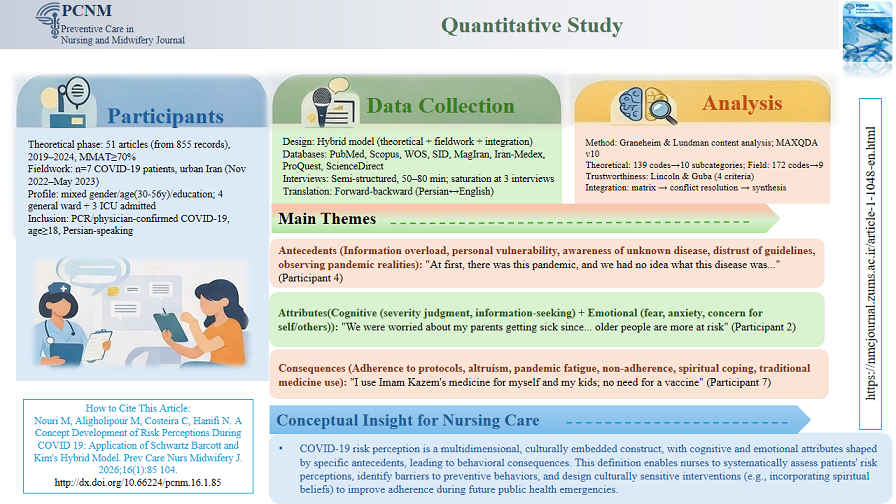
Table 1. Selected Articles for Analysis From a Comprehensive Literature Search
Graphical Abstract:
Full-Text: (92 Views)
Introduction
The COVID-19 pandemic caused a public health crisis and socioeconomic and geopolitical implications [1]. Lockdowns, job losses, economic crises, and mental health issues were all caused by this disease [2]. Although models such as the Health Belief Model (HBM) and Theory of Planned Behavior (TPB) explain preventive behaviors, they often fail to capture the culturally shaped and dynamic nature of risk perception during emerging pandemics, which this study addresses through hybrid concept analysis [3].
Risk perception, defined as individual judgments about threat characteristics and severity [4], plays a significant role in driving people to avoid, mitigate, adapt to, or disregard them [5]. Because COVID-19 is a new and unfamiliar virus with limited information and experience, it has generated heightened emotions and a strong sense of risk [6]. While research links perceived risk to preventive behaviors, detailed risk data for emerging diseases like COVID-19 remain limited [7]. The perception of risk and preventive behaviors will change over time as the disease is controlled [8]. Some authors argue that COVID risk perceptions specifically decreased over time [9].
This variability was especially apparent among vulnerable groups such as healthcare workers, further emphasizing the need for context-sensitive models that account for cultural and temporal dynamics [10].
Understanding risk perception is critical for promoting preventive behaviors (6) and managing health behaviors during pandemics [10, 11].
Schwartz-Barcott and Kim's hybrid model highlights how demographic, cultural, and temporal factors, such as Iran's religious and political context, shape risk cognition [12] and provides a framework to systematically capture these dynamic influences. Risk perception is socially embedded: Ulrich Beck theorized that modern societies intrinsically produce and distribute risks [13]. It also has cognitive (probability and severity assessments) and emotional (fear and anxiety) dimensions [14].
Protective Motivation Theory (PMT) reflects these through perceived susceptibility, severity, and coping appraisal, which were influenced during COVID-19 by media and cultural narratives [15].
Although models like the Health Belief Model (HBM), Theory of Planned Behavior (TPB), and Extended Parallel Process Model (EPPM) predict health behaviors [16], they inadequately address the dynamic, culturally grounded evolution of risk perception in novel pandemics, including temporal shifts, non-Western cultural influences, and practical application for frontline workers.
Among various concept analysis approaches, Schwartz-Barcott and Kim's hybrid model was selected for three primary reasons [19]. First, unlike Walker and Avant's approach [26], which relies solely on theoretical literature, the hybrid model incorporates a fieldwork phase, enabling contextual understanding of the concept in real-world settings. Second, in contrast to Rodgers' evolutionary method [17], which focuses on historical development, this model is particularly suited to capturing the rapid temporal dynamics of risk perception during a specific crisis, such as the COVID-19 pandemic. Third, this model is specifically designed for nursing and healthcare disciplines, making its outputs directly applicable to clinical practice and intervention design. Based on the systematic review of 51 articles, COVID-19 risk perception is preliminarily defined as an individual's subjective evaluation of the likelihood of infection and the severity of its consequences, accompanied by emotional responses (fear and anxiety) and information-seeking behaviors, which is shaped by personal, social, and cultural factors [4, 11, 27]. However, existing definitions and frameworks predominantly focus on cognitive appraisals while inadequately addressing emotional dimensions, cultural contexts, and temporal shifts [7, 16]. Specifically, they fail to explain why identical threats yield divergent risk perceptions across cultures or how spiritual beliefs influence preventive behaviors [12, 71]. Furthermore, most studies have been conducted in Western settings, leaving a gap in understanding risk perception in non-Western religious contexts such as Iran [10]. This study addresses these gaps by developing a culturally sensitive, multidimensional framework for COVID-19 risk perception that integrates cognitive, emotional, and contextual factors to enhance pandemic response and preventive care.
Thus, this study develops a culturally sensitive conceptual framework for COVID-19 risk perception to enhance pandemic response [17]. Yet, current frameworks inadequately explain why identical threats (e.g., vaccination) yield divergent risk perceptions across cultures or how risk perceptions evolve. This results in knowledge gaps with real-world consequences: misperceptions delay treatments, increase stress, and trigger ineffective protection, while accurate awareness enables adaptation [18].
Objectives
This study aims to conceptualize COVID-19 risk perception by applying Schwartz-Barcott and Kim's hybrid model to systematically define its antecedents, attributes, and consequences, ultimately providing a transferable framework for managing risk perception in future public health emergencies.
Methods
Design
Risk perception in COVID-19 was assessed using a hybrid model in this study. The hybrid model includes three phases: theoretical, fieldwork, and analytical, based on the method developed by Schwartz-Barcott and Kim [19].
Theoretical Phase
A systematic review was conducted following York University guidelines, including defining questions, setting inclusion criteria, developing a search strategy, identifying and screening studies, extracting data, and quality appraisal using the MMAT (v2018) [20], data synthesis, and dissemination planning.
Reporting adhered to the PRISMA 2020 Flow Diagram guidelines [21], and the review protocol was followed to ensure rigor [22].
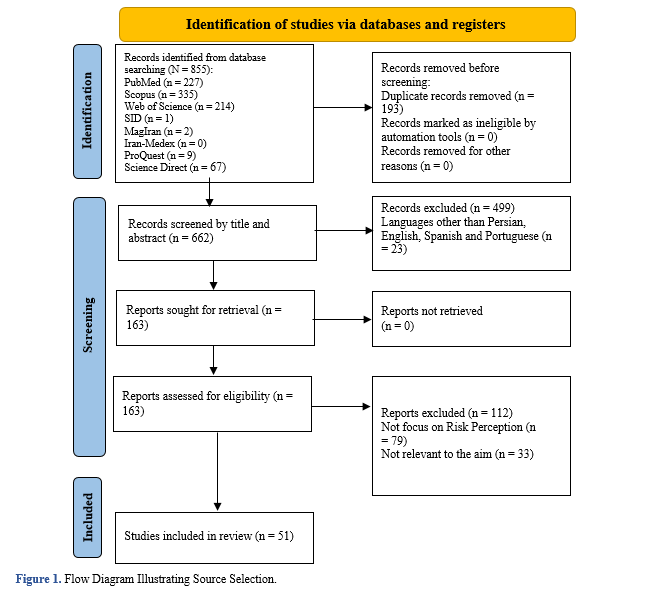
The flow diagram illustrating source selection is shown in Figure 1, and the characteristics of the selected articles are summarized in Table 1. Databases including PubMed, Scopus, Web of Science, SID, MagIran, Iran-Medex, and ProQuest were searched (2019–2024) using Persian and English keywords related to risk perception and COVID-19. From 855 initial records, studies were screened according to predefined inclusion and exclusion criteria, and quality was independently assessed by three authors using the MMAT. Eligible texts included peer-reviewed qualitative, quantitative, mixed-method, and instrument development studies, and various review types in selected languages, while non-research texts were excluded. After removing duplicates and screening abstracts, 51 documents scoring ≥70% on MMAT were retained, representing studies from the Americas, Europe, Asia, and Africa [Figure 2]. Using Graneheim and Lundman's content analysis approach [25], 139 initial codes were organized into 10 subcategories and three main categories: antecedents, attributes, and consequences, while the literature search continued into the fieldwork phase.
Fieldwork phase
Setting and Participants
The fieldwork phase was conducted in urban areas of Iran between November 2022 and May 2023. Participants were recruited from multiple cities to enhance diversity. Inclusion criteria were: (1) confirmed COVID-19 diagnosis based on PCR test or physician diagnosis, (2) age ≥ 18 years, (3) ability to communicate in Persian. Exclusion criteria were: (1) cognitive impairment affecting recall, (2) severe psychiatric disorders.
Data Collection
Field data collection involved seven participants from November 2022 to May 2023. Participants varied in gender, age, marital status, education, occupation, and geographic location to capture diverse perspectives [Table 1]. Data saturation was reached when no new codes appeared in three consecutive interviews [23]. Semi-structured, in-person interviews (50–80 minutes) were conducted based on participants' preferences, recorded, and supplemented by observation of non-verbal cues. Participants were asked about their risk perceptions before, during, and after infection. Interviews were conducted at a location chosen based on participants' availability. All interviews were conducted in Persian, the native language of both participants and researchers. The transcribed interviews were then translated into English for publication purposes. To ensure accuracy and conceptual equivalence, the forward-backward translation method was employed: a bilingual expert translator first translated the Persian transcripts into English, and a second independent translator, blinded to the original text, back-translated the English version into Persian. Discrepancies were discussed and resolved through consensus between the two translators and the research team. The original Persian transcripts are available for validation upon reasonable request.
Data Analysis
Qualitative data were analyzed using Graneheim and Lundman's conventional content analysis approach [25]. The analysis process included the following steps: (1) verbatim transcription of all interviews, (2) repeated reading of transcripts to gain a holistic understanding, (3) identification of meaning units, (4) condensation and abstraction of meaning units, (5) coding, (6) categorization, and (7) identification of themes. Data were managed and organized using MAXQDA software, version 10.
To ensure trustworthiness, Lincoln and Guba's criteria were applied [24].
Credibility was established through prolonged engagement with participants, member checking in which participants reviewed their interview summaries, and peer debriefing through discussion of findings with two qualitative research experts.
Confirmability was ensured by maintaining a comprehensive audit trail that included raw data, analysis notes, and decision logs.
Dependability was achieved through external auditing of the coding process and categories by an independent reviewer. Transferability was facilitated by providing thick descriptions of participants' contexts and findings, enabling readers to assess the applicability of the results to other settings.
Any coding disagreements between researchers were resolved through consensus, with a third researcher (CC) serving as a mediator for unresolved issues. The participants' profiles are summarized in Table 1.
The analysis yielded 172 initial codes, nine subcategories, and three main categories (antecedents, attributes, and consequences).
Final Phase
In the third phase, the integration of theoretical and empirical findings was performed through a three-step process:
Step 1 (Comparative Matrix)
Findings from both phases were organized side-by-side in a comparative matrix based on the three main categories (antecedents, attributes, and consequences) to identify points of convergence and divergence.
Step 2 (Conflict Resolution)
In cases where fieldwork data contradicted theoretical literature, particularly regarding "distrust in domestically produced vaccines" and "reliance on traditional medicine" (e.g., Imam Kazem's medicine), which were less prominent in Western literature, the principle of "primacy of participants' lived experience within the Iranian cultural-religious context" was applied.
This decision was justified by the hybrid model's philosophical foundation, which emphasizes the contextual understanding of concepts in real-world settings [19]. The research team discussed divergent codes until consensus was reached; unresolved cases were mediated by a third researcher (CC).
Step 3 (Synthesis and Model Development)
After resolving conflicts, convergent codes were merged, and confirmed divergent codes were added as new attributes or antecedents to the framework. The constant comparative method [25] was used throughout to further clarify, define, and confirm the concept of COVID-19 risk perception.
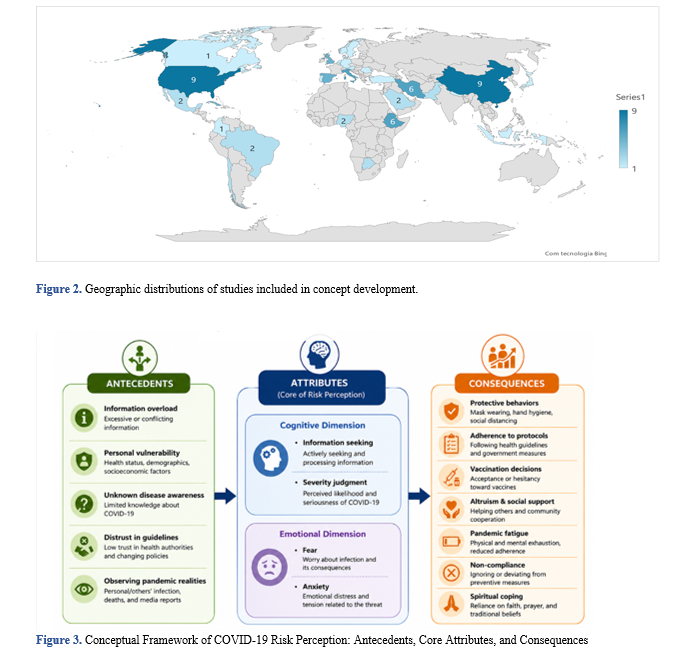
The outcome of this process was the final definition of the concept and a graphical model [Figure 3] illustrating the causal relationships between antecedents, dual attributes (cognitive-emotional), and consequences.
Result
A literature review across multiple databases identified various definitions and aspects of COVID-19 risk perception, along with associated attributes.
The COVID-19 pandemic caused a public health crisis and socioeconomic and geopolitical implications [1]. Lockdowns, job losses, economic crises, and mental health issues were all caused by this disease [2]. Although models such as the Health Belief Model (HBM) and Theory of Planned Behavior (TPB) explain preventive behaviors, they often fail to capture the culturally shaped and dynamic nature of risk perception during emerging pandemics, which this study addresses through hybrid concept analysis [3].
Risk perception, defined as individual judgments about threat characteristics and severity [4], plays a significant role in driving people to avoid, mitigate, adapt to, or disregard them [5]. Because COVID-19 is a new and unfamiliar virus with limited information and experience, it has generated heightened emotions and a strong sense of risk [6]. While research links perceived risk to preventive behaviors, detailed risk data for emerging diseases like COVID-19 remain limited [7]. The perception of risk and preventive behaviors will change over time as the disease is controlled [8]. Some authors argue that COVID risk perceptions specifically decreased over time [9].
This variability was especially apparent among vulnerable groups such as healthcare workers, further emphasizing the need for context-sensitive models that account for cultural and temporal dynamics [10].
Understanding risk perception is critical for promoting preventive behaviors (6) and managing health behaviors during pandemics [10, 11].
Schwartz-Barcott and Kim's hybrid model highlights how demographic, cultural, and temporal factors, such as Iran's religious and political context, shape risk cognition [12] and provides a framework to systematically capture these dynamic influences. Risk perception is socially embedded: Ulrich Beck theorized that modern societies intrinsically produce and distribute risks [13]. It also has cognitive (probability and severity assessments) and emotional (fear and anxiety) dimensions [14].
Protective Motivation Theory (PMT) reflects these through perceived susceptibility, severity, and coping appraisal, which were influenced during COVID-19 by media and cultural narratives [15].
Although models like the Health Belief Model (HBM), Theory of Planned Behavior (TPB), and Extended Parallel Process Model (EPPM) predict health behaviors [16], they inadequately address the dynamic, culturally grounded evolution of risk perception in novel pandemics, including temporal shifts, non-Western cultural influences, and practical application for frontline workers.
Among various concept analysis approaches, Schwartz-Barcott and Kim's hybrid model was selected for three primary reasons [19]. First, unlike Walker and Avant's approach [26], which relies solely on theoretical literature, the hybrid model incorporates a fieldwork phase, enabling contextual understanding of the concept in real-world settings. Second, in contrast to Rodgers' evolutionary method [17], which focuses on historical development, this model is particularly suited to capturing the rapid temporal dynamics of risk perception during a specific crisis, such as the COVID-19 pandemic. Third, this model is specifically designed for nursing and healthcare disciplines, making its outputs directly applicable to clinical practice and intervention design. Based on the systematic review of 51 articles, COVID-19 risk perception is preliminarily defined as an individual's subjective evaluation of the likelihood of infection and the severity of its consequences, accompanied by emotional responses (fear and anxiety) and information-seeking behaviors, which is shaped by personal, social, and cultural factors [4, 11, 27]. However, existing definitions and frameworks predominantly focus on cognitive appraisals while inadequately addressing emotional dimensions, cultural contexts, and temporal shifts [7, 16]. Specifically, they fail to explain why identical threats yield divergent risk perceptions across cultures or how spiritual beliefs influence preventive behaviors [12, 71]. Furthermore, most studies have been conducted in Western settings, leaving a gap in understanding risk perception in non-Western religious contexts such as Iran [10]. This study addresses these gaps by developing a culturally sensitive, multidimensional framework for COVID-19 risk perception that integrates cognitive, emotional, and contextual factors to enhance pandemic response and preventive care.
Thus, this study develops a culturally sensitive conceptual framework for COVID-19 risk perception to enhance pandemic response [17]. Yet, current frameworks inadequately explain why identical threats (e.g., vaccination) yield divergent risk perceptions across cultures or how risk perceptions evolve. This results in knowledge gaps with real-world consequences: misperceptions delay treatments, increase stress, and trigger ineffective protection, while accurate awareness enables adaptation [18].
Objectives
This study aims to conceptualize COVID-19 risk perception by applying Schwartz-Barcott and Kim's hybrid model to systematically define its antecedents, attributes, and consequences, ultimately providing a transferable framework for managing risk perception in future public health emergencies.
Methods
Design
Risk perception in COVID-19 was assessed using a hybrid model in this study. The hybrid model includes three phases: theoretical, fieldwork, and analytical, based on the method developed by Schwartz-Barcott and Kim [19].
Theoretical Phase
A systematic review was conducted following York University guidelines, including defining questions, setting inclusion criteria, developing a search strategy, identifying and screening studies, extracting data, and quality appraisal using the MMAT (v2018) [20], data synthesis, and dissemination planning.
Reporting adhered to the PRISMA 2020 Flow Diagram guidelines [21], and the review protocol was followed to ensure rigor [22].
The flow diagram illustrating source selection is shown in Figure 1, and the characteristics of the selected articles are summarized in Table 1. Databases including PubMed, Scopus, Web of Science, SID, MagIran, Iran-Medex, and ProQuest were searched (2019–2024) using Persian and English keywords related to risk perception and COVID-19. From 855 initial records, studies were screened according to predefined inclusion and exclusion criteria, and quality was independently assessed by three authors using the MMAT. Eligible texts included peer-reviewed qualitative, quantitative, mixed-method, and instrument development studies, and various review types in selected languages, while non-research texts were excluded. After removing duplicates and screening abstracts, 51 documents scoring ≥70% on MMAT were retained, representing studies from the Americas, Europe, Asia, and Africa [Figure 2]. Using Graneheim and Lundman's content analysis approach [25], 139 initial codes were organized into 10 subcategories and three main categories: antecedents, attributes, and consequences, while the literature search continued into the fieldwork phase.
Fieldwork phase
Setting and Participants
The fieldwork phase was conducted in urban areas of Iran between November 2022 and May 2023. Participants were recruited from multiple cities to enhance diversity. Inclusion criteria were: (1) confirmed COVID-19 diagnosis based on PCR test or physician diagnosis, (2) age ≥ 18 years, (3) ability to communicate in Persian. Exclusion criteria were: (1) cognitive impairment affecting recall, (2) severe psychiatric disorders.
Data Collection
Field data collection involved seven participants from November 2022 to May 2023. Participants varied in gender, age, marital status, education, occupation, and geographic location to capture diverse perspectives [Table 1]. Data saturation was reached when no new codes appeared in three consecutive interviews [23]. Semi-structured, in-person interviews (50–80 minutes) were conducted based on participants' preferences, recorded, and supplemented by observation of non-verbal cues. Participants were asked about their risk perceptions before, during, and after infection. Interviews were conducted at a location chosen based on participants' availability. All interviews were conducted in Persian, the native language of both participants and researchers. The transcribed interviews were then translated into English for publication purposes. To ensure accuracy and conceptual equivalence, the forward-backward translation method was employed: a bilingual expert translator first translated the Persian transcripts into English, and a second independent translator, blinded to the original text, back-translated the English version into Persian. Discrepancies were discussed and resolved through consensus between the two translators and the research team. The original Persian transcripts are available for validation upon reasonable request.
Data Analysis
Qualitative data were analyzed using Graneheim and Lundman's conventional content analysis approach [25]. The analysis process included the following steps: (1) verbatim transcription of all interviews, (2) repeated reading of transcripts to gain a holistic understanding, (3) identification of meaning units, (4) condensation and abstraction of meaning units, (5) coding, (6) categorization, and (7) identification of themes. Data were managed and organized using MAXQDA software, version 10.
To ensure trustworthiness, Lincoln and Guba's criteria were applied [24].
Credibility was established through prolonged engagement with participants, member checking in which participants reviewed their interview summaries, and peer debriefing through discussion of findings with two qualitative research experts.
Confirmability was ensured by maintaining a comprehensive audit trail that included raw data, analysis notes, and decision logs.
Dependability was achieved through external auditing of the coding process and categories by an independent reviewer. Transferability was facilitated by providing thick descriptions of participants' contexts and findings, enabling readers to assess the applicability of the results to other settings.
Any coding disagreements between researchers were resolved through consensus, with a third researcher (CC) serving as a mediator for unresolved issues. The participants' profiles are summarized in Table 1.
The analysis yielded 172 initial codes, nine subcategories, and three main categories (antecedents, attributes, and consequences).
Final Phase
In the third phase, the integration of theoretical and empirical findings was performed through a three-step process:
Step 1 (Comparative Matrix)
Findings from both phases were organized side-by-side in a comparative matrix based on the three main categories (antecedents, attributes, and consequences) to identify points of convergence and divergence.
Step 2 (Conflict Resolution)
In cases where fieldwork data contradicted theoretical literature, particularly regarding "distrust in domestically produced vaccines" and "reliance on traditional medicine" (e.g., Imam Kazem's medicine), which were less prominent in Western literature, the principle of "primacy of participants' lived experience within the Iranian cultural-religious context" was applied.
This decision was justified by the hybrid model's philosophical foundation, which emphasizes the contextual understanding of concepts in real-world settings [19]. The research team discussed divergent codes until consensus was reached; unresolved cases were mediated by a third researcher (CC).
Step 3 (Synthesis and Model Development)
After resolving conflicts, convergent codes were merged, and confirmed divergent codes were added as new attributes or antecedents to the framework. The constant comparative method [25] was used throughout to further clarify, define, and confirm the concept of COVID-19 risk perception.
The outcome of this process was the final definition of the concept and a graphical model [Figure 3] illustrating the causal relationships between antecedents, dual attributes (cognitive-emotional), and consequences.
Result
A literature review across multiple databases identified various definitions and aspects of COVID-19 risk perception, along with associated attributes.
- Attributes and the Concept Definition
Understanding COVID-19 risk perception encompasses both cognitive and emotional dimensions, as observed in the literature review and the fieldwork phase. Cognitive dimensions include perceived susceptibility and risk severity, while emotional dimensions involve worries and anxiety about potential exposure [26–33].
In the fieldwork phase, this information-seeking appeared in daily and practical contexts:
"I used to watch COVID-19 stuff on TV, and if we thought someone had symptoms, we'd always Google it or call health centers to find out. We saw the symptoms. What should we do?" (Participant 3).
In addition to information-seeking, fear of contracting COVID-19 was a central dimension of risk perception, encompassing ongoing concern for self and others, as well as the risk of infection from non-compliant individuals:
"Honestly, we were worried about my parents getting sick since they said older people are more at risk" (Participant 2).
Risk perception refers to judgments about risk features and their impacts [10, 34]. The literature review reveals that key aspects of understanding risk include perceiving danger and prioritizing personal or family health [35-37].
In the fieldwork phase, this information-seeking appeared in daily and practical contexts:
"I used to watch COVID-19 stuff on TV, and if we thought someone had symptoms, we'd always Google it or call health centers to find out. We saw the symptoms. What should we do?" (Participant 3).
In addition to information-seeking, fear of contracting COVID-19 was a central dimension of risk perception, encompassing ongoing concern for self and others, as well as the risk of infection from non-compliant individuals:
"Honestly, we were worried about my parents getting sick since they said older people are more at risk" (Participant 2).
Risk perception refers to judgments about risk features and their impacts [10, 34]. The literature review reveals that key aspects of understanding risk include perceiving danger and prioritizing personal or family health [35-37].
- Antecedents of the Concept
Based on the literature review, the following antecedents were identified as contributing to perceptions of COVID-19 risk.
2.1 Information Overload
The literature indicates that the volume and nature of COVID-19 information significantly influenced risk perception. Official sources enhanced accurate risk perception [38, 39], whereas excessive or conflicting information from unofficial sources led to uncertainty [40, 41].
Official and government sources (crowding and travel advice, and policy-driven measures) were regarded as reliable and authentic for obtaining information [42-44]. People received contradictory and incorrect information from unofficial sources, such as social media, which caused uncertainty about the disease and, in turn, influenced their risk perception [45-47].
2.2 Personal Factors
Individual factors, including underlying diseases, sociodemographic characteristics, culture, and religious beliefs, influenced risk perception [11, 48, 49]. For example, pregnancy, chronic illness, poor physical condition, or psychological disorders increased susceptibility and shaped perceived risk.
2.3 Observing COVID-19 Realities
Understanding the risk of COVID-19 was also affected by factors like personal infection, living with someone who is infected, knowing someone who died from COVID-19, and working in healthcare [50-52]. As deaths and infections rose, COVID-19 restrictions and health protocols were intensified [53-55].
"I've seen and heard about people dying from COVID-19 around me. We lost both a mom and a son in our family. We took the disease seriously, and now I've got it and feel its pain" (Participant 3).
2.4 Shifting Awareness and Fear During COVID-19 Waves
Over time, as the severity of COVID-19 and its variants changed, governmental actions and public awareness also evolved, influencing perceived risk [56-58].
2.5 Attitudes toward COVID-19
Attitudes toward positive and negative information (for example, conspiracy beliefs), as well as high levels of past negative and future time perspective, can affect risk perceptions [59-61].
2.6 Awareness of an Unknown Disease
Fieldwork indicated that limited awareness of the disease led to differences in adherence to protocols and levels of fear:
"At first, there was this pandemic, and we had no idea what this disease was and what would happen to us" (Participant 4).
2.7 Risk Seriousness from the Individual's Viewpoint
Observing patients and fatalities altered individuals' perceptions of the disease's severity:
"When he was sick, he couldn't breathe well. He was ill, and I could see he was worried. I thought to myself, I don't want to get sick or be in this situation" (Participant 4).
2.8 Lack of Trust in Preventive Guidelines
Distrust in the healthcare system and frequent policy changes influenced preventive behaviors:
"Unfortunately, the doctors didn't think corticosteroids were the right prescription when I got sick. They let me go from the hospital under the same conditions" (Participant 6).
2.1 Information Overload
The literature indicates that the volume and nature of COVID-19 information significantly influenced risk perception. Official sources enhanced accurate risk perception [38, 39], whereas excessive or conflicting information from unofficial sources led to uncertainty [40, 41].
Official and government sources (crowding and travel advice, and policy-driven measures) were regarded as reliable and authentic for obtaining information [42-44]. People received contradictory and incorrect information from unofficial sources, such as social media, which caused uncertainty about the disease and, in turn, influenced their risk perception [45-47].
2.2 Personal Factors
Individual factors, including underlying diseases, sociodemographic characteristics, culture, and religious beliefs, influenced risk perception [11, 48, 49]. For example, pregnancy, chronic illness, poor physical condition, or psychological disorders increased susceptibility and shaped perceived risk.
2.3 Observing COVID-19 Realities
Understanding the risk of COVID-19 was also affected by factors like personal infection, living with someone who is infected, knowing someone who died from COVID-19, and working in healthcare [50-52]. As deaths and infections rose, COVID-19 restrictions and health protocols were intensified [53-55].
"I've seen and heard about people dying from COVID-19 around me. We lost both a mom and a son in our family. We took the disease seriously, and now I've got it and feel its pain" (Participant 3).
2.4 Shifting Awareness and Fear During COVID-19 Waves
Over time, as the severity of COVID-19 and its variants changed, governmental actions and public awareness also evolved, influencing perceived risk [56-58].
2.5 Attitudes toward COVID-19
Attitudes toward positive and negative information (for example, conspiracy beliefs), as well as high levels of past negative and future time perspective, can affect risk perceptions [59-61].
2.6 Awareness of an Unknown Disease
Fieldwork indicated that limited awareness of the disease led to differences in adherence to protocols and levels of fear:
"At first, there was this pandemic, and we had no idea what this disease was and what would happen to us" (Participant 4).
2.7 Risk Seriousness from the Individual's Viewpoint
Observing patients and fatalities altered individuals' perceptions of the disease's severity:
"When he was sick, he couldn't breathe well. He was ill, and I could see he was worried. I thought to myself, I don't want to get sick or be in this situation" (Participant 4).
2.8 Lack of Trust in Preventive Guidelines
Distrust in the healthcare system and frequent policy changes influenced preventive behaviors:
"Unfortunately, the doctors didn't think corticosteroids were the right prescription when I got sick. They let me go from the hospital under the same conditions" (Participant 6).
Table 1. Selected Articles for Analysis From a Comprehensive Literature Search
| ID | Aim | Sample | Study Design | Country | Author and year | MMAT Score |
|
|
Illustrating how risk awareness of COVID-19 predicts people's preventive behaviors and the features associated with them. | 77 studies | Systematic Review and Qualitative Synthesis | Italy | Cipolletta et al., 2022 [11] | 100% |
|
|
Investigate the perceived risk and protective behaviors regarding COVID-19 among pregnant women. | 225 pregnant women | Cross-sectional | Iran | Aghababaei et al., 2020 [48] | 100% |
|
|
Exploring how people form COVID-19 mortality risk beliefs and the implications for prosocial behavior. | 928 participants | Cross-sectional | USA | Abel et al., 2021 [50] | 100% |
|
|
Exploring perceptions around COVID-19 and vaccine hesitancy among urban and rural populations in Western Nepal. | 19 participants | Qualitative study | UK | Mahato et al., 2023 [66] | 100% |
|
|
Investigating the willingness of international medical students to return to their home countries based on their risk perception of COVID-19. | 897 medical students | Cross-sectional | China | Ahmad et al., 2021 [38] | 100% |
|
|
Assessing perceived barriers and preventive measures of COVID-19 among healthcare providers. | 183 healthcare providers | Institution-based cross-sectional survey | Ethiopia | Birihane et al., 2020 [41] | 100% |
|
|
Presenting the first assessment of public risk perception of COVID-19 around the world using national samples in ten countries across Europe, America, and Asia. | 6,991 public in ten countries | Cross-sectional | UK | Dryhurst et al., 2020 [81] | 100% |
|
|
The psychosocial effects of changing the conditions for living with a chronic disease like diabetes. | 20 people with diabetes | Qualitative Study | Denmark | Grabowski et al., 2020 [40] | 100% |
|
|
Investigating the pandemic risk perception of COVID-19 after the onset of the pandemic in Iranian society. | 402 individuals from 28 provinces | Cross-sectional | Iran | Arefi et al., 2022 [65] | 100% |
|
|
Evaluating COVID-19-related knowledge, preventive behaviors, and risk perception among Saudi Arabian medical students and interns. | 710 fourth- and fifth-year medical students | Cross-sectional | Saudi Arabia | Alsoghair et al., 2021 [39] | 100% |
|
|
Exploring nurses' experiences and perception of risk regarding using personal protective equipment during the first wave of the pandemic. | 29 nurses | Qualitative descriptive design | Spain | Romeu-Labayen et al., 2022 [54] | 100% |
|
|
Investigating the Iranians' risk perception of coronavirus disease (COVID-19). | 364 persons from 20 provinces | Cross-sectional | Iran | Samadipour, Ghardashi, et al., 2023 [46] | 100% |
|
|
Strategies for infectious disease clinicians to apply risk communication principles and frameworks to improve patient care and public message development in response to COVID-19. | Not applicable | Review | USA | Malecki et al., 2020 [45] | N/A |
|
|
Investigating risk perception in 514 people over 60 years during the lockdown. | 514 people over 60 years | Qualitative | Italy | Guastafierro et al., 2023 [35] | 100% |
|
|
Investigating how risk perception and factors associated with the decision to comply with vaccination modulated vaccine acceptance for COVID-19 compared with seasonal influenza, and how these have varied across lockdown phases. | 2,267 questionnaires | Cross-sectional | Italy | Caserotti et al., 2021 [6] | 100% |
|
|
Investigating the change in risk perception, perceived self-efficacy, and the perceived trust in the behavior of others, the decisions of health authorities and government provisions, and the variation of self-restraint behaviors during the spread of the Covid-19 epidemic in Italy. | 707 university students | Cross-sectional | Italy | Diotaiuti et al., 2021 [71] | 100% |
|
|
Assess the acceptance rate and risk perception of COVID-19 vaccines amongst the general population in Botswana. | 5,300 adults | Cross-sectional | Botswana (Africa) | Tlale et al., 2022 [53] | 100% |
|
|
Assess perceived risk and fear of contagion, as well as mental health outcomes among 650 Italian healthcare workers during the COVID-19 outbreak. | 650 Italian healthcare workers | Cross-sectional | Italy | Gorini et al., 2020 [51] | 100% |
|
|
Determining the Iranian healthcare workers' risk perception of the COVID-19 disease at the beginning of the crisis and the relevant effective factors. | 165 Iranian healthcare workers | Cross-sectional | Iran | Samadipour, Zardosht, et al., 2023 [80] | 100% |
|
|
Investigating the factors influencing Iranians' risk perception of COVID-19 disease. | 364 people from 20 provinces | Cross-sectional | Iran | Samadipour & Ghardashi, 2020 [12] | 100% |
|
|
Examining the longitudinal relations between time perspectives and COVID-19 risk perception and preventive behaviors. | 460 Romanian young adults | Six-month longitudinal design | Romania | Zancu et al., 2024 [60] | 100% |
|
|
Examining the association between risk perception and protective behavior regarding COVID-19 in returnee migrant workers. | 384 Nepalese migrant workers | Cross-sectional study | Nepal | Khanal et al., 2024 [56] | 100% |
|
|
Analyzing the role of social media use and emotions in risk perception and prevention behavior related to COVID-19. | 391 participants | Cross-sectional study/ Structural Equation Model | Indonesia | Purtiwi et al., 2024 [4] | 100% |
|
|
Validating the items of the Emotional Impact Questionnaire coronavirus disease-2019 (COVID-19) related to risk perception. | 1,872 healthcare workers | Cross-sectional study | Brazil | Griesi et al., 2024 [33] | 100% |
|
|
Exploring the role of vaccination status and emerging variants. | 221,791 unique participants | Serial cross-sectional | Belgium | Waterschoot et al., 2024 [62] | 100% |
|
|
Investigating the association between risk perception and COVID-19 preventive measures. | 2,175 internally displaced persons | Cross-sectional study | Nigeria | Gidado et al., 2024 [63] | 100% |
|
|
Assessing the risk perception of COVID-19 and the uptake of the COVID-19 vaccine. | 400 patients with chronic diseases | A hospital-based cross-sectional study | Nigeria | Aibinuomo et al., 2024 [36] | 100% |
|
|
Exploring the socio-political aspects of COVID-19 vaccine hesitancy, focusing on the relationship between COVID-19 risk perceptions, institutional trust, and vaccine hesitancy. | 2,717 Chinese people | Social survey | China | Chen et al., 2024 [42] | 100% |
|
|
Exploring the association between COVID-19-related distress, risk perception, stigma, and vaccine hesitancy and acceptance in the general population. | 360 participants | Cross-sectional study | Pakistan | Omar et al., 2024 [67] | 100% |
|
|
Investigating Chinese people's perception of risks after the lifting, the influence of risk perception on their compliance with COVID-19 measures, and the moderating effect of social media on this influence. | 420 Chinese native speakers | Online survey | China | Wang et al., 2024 [34] | 100% |
|
|
Exploring the association between residual symptoms of COVID-19 and psychological distress, specifically depression, anxiety, and fear of COVID-19, and examining the role of risk perception and intolerance of uncertainty in the association. | 1,735 participants | Cross-sectional | China | Sun et al., 2024 [70] | 100% |
|
|
Evaluating the association between coping styles and risk perception in the COVID-19 pandemic and the change in metabolic parameters. | 177 individuals with type 2 diabetes | Prospective study | México | Alcántara-Garcés et al., 2024 [64] | 100% |
|
|
Investigating the role of the Dark Triad (psychopathy, Machiavellianism, and narcissism) in vaccine hesitancy, considering the sequential mediating effects of conspiracy beliefs and risk perception. | 210 participants | Cross-sectional | Italy | Giancola et al., 2024 [59] | 100% |
|
|
Investigating people's perception of eight COVID-19-related safety measures related to long-distance trips and how subjective perception of safety impacts their mode choice among car, train, and aircraft. | People who had long-distance travel/ The number of participants is not mentioned. | Survey | Netherlands | Geržinič et al., 2024 [43] | 100% |
|
|
Understanding how different information types affect risk perception and examining the relationship between perceived risk and travel behavior during a pandemic outbreak. | 512 Beijing residents | Online survey | China | Wang et al., 2024 [69] | 100% |
|
|
Investigating how risk perception affects the consumption behavior of green food. | 612 participants | Online survey/Partial least squares-structural equation modeling | China | Li et al., 2024 [68] | 100% |
|
|
Investigating the public's perceptions of COVID-19 infection and fatality risks. | 40,000 participants | Cross-sectional study | Japan | Chiba et al., 2024 [72] | 100% |
|
|
Examining whether negative judgments could be partially understood as a form of scapegoating. | Two vignette-based studies | Risk estimation | USA | Graso et al., 2024 [82] | 100% |
|
|
Investigating the key social media features that influence tourist behavior and introduce the concept of perceived risk. | 576 tourists | Survey /Structural Equation Modeling | Pakistan | Hussain et al., 2024 [47] | 100% |
|
|
To identify anxiety and risk perception due to the COVID-19 pandemic, as well as the self-efficacy of dental students to take preventive measures. | Students of the School of Dentistry of a public university in northeastern México in May 2020 (n = 412) | Cross-sectional study | México | Gómez Campusano et al., 2024 [83] | 100% |
|
|
To describe the specificities and interrelationships between the categories of risk perception and pandemic fatigue. | Digital data sources from March to April 2021 | Narrative bibliographic review | Cuba | Fabelo Roche et al., 2024 [61] | N/A |
|
|
To describe the protective behaviors adopted by Portuguese higher education students during and to analyze their relationship with the perception of risk and the mediating role of fear of COVID-19. | 335 students aged between 18 and 29 years old | Descriptive study | Portugal | Köster et al., 2023 [57] | 100% |
|
|
To evaluate the perception of risk of contagion of COVID-19 and to know its possible associations with socioeconomic and health variables in the Colombian population. | 2,563 Colombians between 18 and 65 years old | Descriptive study | Colombia | Matar-Khalil et al., 2022 [31] | 100% |
|
|
To explore the reactions of anxiety, fear, and the perception of risk to COVID-19 in student volunteers at the Red Zone at the Central University Marta Abreu de Las Villas. | 67 participants | Quantitative, cross-sectional and descriptive design | Cuba | Jiménez Puig et al., 2022 [58] | 100% |
|
|
To conduct a study on risk perception, the information received, and workers' occupational engagement in a university hospital during the pandemic. | 992 workers in the Majadahonda Puerta de Hierro University Hospital | Cross-sectional study | Spain | Sánchez-Herrero et al., 2022 [44] | 100% |
|
|
To identify conceptual limitations in terms of their central importance for epidemiology related to risk; theoretically argue for a psychodynamic conception of risk and the perception of risk that allows access to their subjective expressions to identify elements causing behavior. | Bibliographic sources provided by PubMed, Scielo and Dialnet (2000-2021) | Review | Cuba | Román Hernández & Román Hernández, 2021 [55] | N/A |
|
|
To characterize perceptions of risk regarding Covid-19 among individuals with confirmed case contacts and health workers working in these institutions. | 106 subjects participated, of them 70 case contacts and 36 health workers | Mixed study | Santiago de Cuba | Santana González et al., 2021 [29] | 100% |
|
|
To characterize aspects related to risk perception during social distancing by COVID-19 in Cuba; To evaluate the level of knowledge and perception of population risk. | 251 Cubans | Descriptive Study | Cuba | Pell del Río et al., 2021 [37] | 100% |
|
|
To analyze associations between perceived risk from COVID-19 and symptoms of depression, anxiety, and stress among workers in healthcare units. | 2,996 workers from different professions | Cross-sectional study | Brazil | Silva-Costa et al., 2022 [32] | 100% |
|
|
To explore the perceptions and experiences of COVID-19 patients who received outpatient treatment. | 9 patients who received a COVID-19 diagnosis and had outpatient treatment for the disease | Exploratory rapid qualitative study | Chile | Pérez et al., 2024 [84] | 100% |
|
|
To analyze the prevalence of post-traumatic stress disorder in nursing staff and the variables that may contribute to its development. | 344 nurses, nursing assistants, and nursing supervisors | Cross-sectional study | Spain | Blanco-Daza et al., 2022 [52] | 100% |
Table 2. Profile of Participants in the Fieldwork Phase
Table 3. Synthesis of Concept Development: Convergences and Divergences Between Theoretical and Fieldwork Phases
| Participant | Gender | Age (years) | Marital status | Occupation | Education | Clinical Status |
| 1 | Male | 30 | Married | Self-employment | Diploma | Admitted to general ward |
| 2 | Male | 49 | Married | Self-employment | Diploma | Admitted to general ward |
| 3 | Female | 51 | Married | Housewife | Diploma | Admitted to general ward |
| 4 | Female | 31 | Single | Nurse | Bachelor | Admitted to ICU |
| 5 | Male | 52 | Married | Psychologist | Master | Admitted to general ward |
| 6 | Male | 33 | Married | Faculty member | Master | Admitted to ICU |
| 7 | Female | 56 | Married | Employee | Master | Admitted to ICU |
Table 3. Synthesis of Concept Development: Convergences and Divergences Between Theoretical and Fieldwork Phases
| Category | Convergent Findings (Confirmed in Both Phases) | Divergent Findings: Theoretical Only | Divergent Findings: Fieldwork Only (New) | Final Decision |
| Antecedents | • Information overload • Personal vulnerability • Observing pandemic realities • Shifting awareness during waves |
• Attitudes toward COVID-19 (conspiracy beliefs) • Time perspective (past negative, future) |
• Distrust in preventive guidelines (domestic vaccines) • Cultural-religious beliefs (Imam Kazem's medicine) • Lack of trust in doctors |
• Retained: all convergent • Removed: time perspective (not salient in fieldwork) • Added: distrust in guidelines, cultural beliefs |
| Attributes | • Cognitive: severity judgment • Cognitive: information-seeking • Emotional: fear, anxiety • Concern for self and others |
• Perceived sensitivity (HBM) • Psychometric paradigm (Sjöberg) |
• Collective risk framing (family/community focus) • Religious coping as cognitive frame |
• Retained: all convergent • Added: collective risk framing • Cultural context integrated into definition |
| Consequences | • Adherence to protective protocols • Following vaccine news • Psychological impact (anxiety, distress) • Economic impact |
• Obsessive-compulsive behaviors • Changes in dietary habits |
• Altruism (helping colleagues despite risk) • Spiritual appeal (prayer, virtual ceremonies) • Use of traditional medicine (Imam Kazem) • Pandemic fatigue (neglecting protocols) |
Retained: all convergent • Added: altruism, spiritual coping, traditional medicine • Contextualized: pandemic fatigue in Iranian context |
3. Consequences
3.1 Adhering to Government Guidance
People's risk perception heavily influences their adherence to government measures and expert advice. The measures involved social distancing, adjusting work routines, reducing travel and meetings, using protective equipment, and administering vaccinations. Compliance with preventive orders demonstrated trust in experts and the government, as well as the effectiveness of risk prevention [4, 62-64].
Risk perception influenced compliance with preventive measures, including masks, gloves, social distancing, and vaccination:
"When I first heard that pollution is no joke, I always wear a mask when I leave home... I never lay a hand on anyone. When I get home, I'm all like, 'Hey kids, stay away while I wash my hands'" (Participant 5).
3.2 Fatigue
The continued use of masks and protective gear, along with the ongoing presence of the disease and the government's enforcement of preventive protocols, left people exhausted. There was a risk of neglecting preventive protocols [35, 61, 65].
3.3 Following up on Vaccine News
Continuous media coverage influenced vaccination interest or skepticism among some individuals [36, 59, 66, 67].
3.4 Impact on Individuals' Behavioral Habits, Psychology, Economy, and Spirituality
COVID-19 affected various aspects of individuals' lives, including behavioral habits, psychological, economic, and spiritual dimensions. Upon perceiving the threat, individuals sought to maintain their physical and mental health while protecting themselves and their families. Efforts included strengthening the immune system through dietary modifications and increased consumption of vegetables [68] and reducing public transportation use to minimize infection risk [43, 69]. The prevalence of anxiety, distress, and obsessive-compulsive disorder increased among individuals. The lockdowns caused economic crises for some businesses, and family income declined due to job loss or illness.
The cost of protective equipment, such as masks and gloves, also imposed a financial burden on households. Financial difficulties further exacerbated mental and emotional health problems. Ultimately, individuals' coping strategies and perception of COVID-19 risk led them to seek spiritual refuge [54, 64, 70].
3.5 Looking for COVID-19 Infection Prevention Methods
Individuals sought both scientific and pseudo-scientific prevention methods:
"It all depends on the type of vaccine. If it's from abroad, sure, I'll take it. If not, I don't want it" (Participant1). "I use Imam Kazem's medicine for myself and my kids; no need for a vaccine" (Participant 7).
3.6 A Sense of Altruism
Risk perception promoted cooperation and social support:
"Once I got better, people suggested I change departments, but I declined. I gotta talk to my colleagues, boost their morale, and lend a hand" (Participant 6).
People's risk perception heavily influences their adherence to government measures and expert advice. The measures involved social distancing, adjusting work routines, reducing travel and meetings, using protective equipment, and administering vaccinations. Compliance with preventive orders demonstrated trust in experts and the government, as well as the effectiveness of risk prevention [4, 62-64].
Risk perception influenced compliance with preventive measures, including masks, gloves, social distancing, and vaccination:
"When I first heard that pollution is no joke, I always wear a mask when I leave home... I never lay a hand on anyone. When I get home, I'm all like, 'Hey kids, stay away while I wash my hands'" (Participant 5).
3.2 Fatigue
The continued use of masks and protective gear, along with the ongoing presence of the disease and the government's enforcement of preventive protocols, left people exhausted. There was a risk of neglecting preventive protocols [35, 61, 65].
3.3 Following up on Vaccine News
Continuous media coverage influenced vaccination interest or skepticism among some individuals [36, 59, 66, 67].
3.4 Impact on Individuals' Behavioral Habits, Psychology, Economy, and Spirituality
COVID-19 affected various aspects of individuals' lives, including behavioral habits, psychological, economic, and spiritual dimensions. Upon perceiving the threat, individuals sought to maintain their physical and mental health while protecting themselves and their families. Efforts included strengthening the immune system through dietary modifications and increased consumption of vegetables [68] and reducing public transportation use to minimize infection risk [43, 69]. The prevalence of anxiety, distress, and obsessive-compulsive disorder increased among individuals. The lockdowns caused economic crises for some businesses, and family income declined due to job loss or illness.
The cost of protective equipment, such as masks and gloves, also imposed a financial burden on households. Financial difficulties further exacerbated mental and emotional health problems. Ultimately, individuals' coping strategies and perception of COVID-19 risk led them to seek spiritual refuge [54, 64, 70].
3.5 Looking for COVID-19 Infection Prevention Methods
Individuals sought both scientific and pseudo-scientific prevention methods:
"It all depends on the type of vaccine. If it's from abroad, sure, I'll take it. If not, I don't want it" (Participant1). "I use Imam Kazem's medicine for myself and my kids; no need for a vaccine" (Participant 7).
3.6 A Sense of Altruism
Risk perception promoted cooperation and social support:
"Once I got better, people suggested I change departments, but I declined. I gotta talk to my colleagues, boost their morale, and lend a hand" (Participant 6).
3.7 Appeal to Spirituality
Individuals turned to virtual worship and religious ceremonies to reduce anxiety and find solace:
"I sensed that everyone was praying for me, and it hit me hard. People from all over Iran called and prayed for my recovery" (Participant 6)
3.8 Final Analytic Phase
In the third phase, the findings from the theoretical and fieldwork phases were systematically integrated to develop a comprehensive and context-sensitive definition of COVID-19 risk perception.[Table 3] The integration process followed a three-step comparative method: (1) findings from both phases were organized into a comparative matrix based on the three main categories (antecedents, attributes, and consequences); (2) convergent codes were merged, and divergent codes, particularly those reflecting culturally specific factors such as distrust in domestic vaccines and reliance on traditional medicine, were evaluated and retained based on the principle of participants' lived experience within the Iranian cultural-religious context; and (3) the final synthesized framework was constructed.
The integrated definition of COVID-19 risk perception derived from this synthesis is as follows:
COVID-19 risk perception is a multidimensional and dynamic construct defined as an individual's subjective cognitive appraisal of infection likelihood and severity, accompanied by emotional responses (fear and anxiety) and information-seeking behaviors.
A complex interplay of antecedents including information overload, personal vulnerability, awareness of an unknown disease, distrust in guidelines, and observation of pandemic realities shapes this perception.
It manifests through dual attributes, cognitive (severity judgment, information-seeking) and emotional (fear, worry). It leads to diverse behavioral consequences ranging from adherence to protective protocols and altruism to pandemic fatigue and non-compliance. Crucially, this framework extends existing definitions by incorporating culturally specific factors, particularly in the Iranian context, such as reliance on spiritual beliefs, use of traditional medicine, and collective risk framing, which significantly influence how risk is perceived and responded to beyond purely individual cognitive appraisals.
This integrated definition, validated across both theoretical and empirical phases, confirms COVID-19 risk perception as a complex, multifaceted, and culturally embedded phenomenon.
The developed framework [Figure 2] illustrates the causal relationships between antecedents, attributes, and consequences, providing a practical tool for understanding and managing risk perception in future public health emergencies.
Discussion
The hybrid model analysis identified culturally specific patterns of COVID-19 risk perception in the Persian-Islamic context. Unlike Western studies that emphasize individual susceptibility and severity [8, 43], Iranian participants viewed risk as a collective threat to family and community. Faith-based practices, such as virtual prayer ceremonies, played a key role in managing anxiety, unlike in more secular settings [57, 71]. Institutional trust also differed: while some participants expressed skepticism toward domestically produced vaccines, studies from countries with higher institutional trust, such as Denmark and Japan, have reported greater vaccine acceptance [53, 72]. However, this observation is based on the qualitative accounts of participants in this study and does not constitute a formal cross-country comparison; rather, it highlights potential cultural and contextual variations warranting further investigation. These findings confirm that risk perception is culturally shaped, and the fieldwork phase highlighted context-specific dynamics that theoretical models often overlook.Although frameworks such as the Health Belief Model (HBM) and Protection Motivation Theory (PMT) explain individual risk appraisal and preventive behavior [16, 73], they do not fully capture the cultural, systemic, and temporal dynamics shaping COVID-19 risk perception. While constructs such as perceived susceptibility and severity were evident in participants' fear and information-seeking, dominant themes in the Iranian context included collective risk framing, spirituality as a coping strategy, and institutional distrust [12], which extend beyond individual cognition. The hybrid analysis indicates that health behavior theories and pandemic models should incorporate cultural factors (e.g., collectivism, faith-based coping), systemic influences (e.g., trust in authorities), and temporal changes (e.g., pandemic fatigue) to better guide nursing interventions and risk communication better. The developed framework offers several practical applications for nurses and midwives in preventive care settings. First, by identifying specific antecedents of risk perception (e.g., information overload, personal vulnerability, distrust in guidelines), the model enables nurses to systematically assess patients' risk perception barriers and tailor educational interventions accordingly. Second, the model's identification of cognitive and emotional attributes helps nurses address both informational needs (e.g., providing accurate, culturally appropriate information) and emotional concerns (e.g., reducing anxiety through empathetic communication). Third, the framework highlights the importance of culturally sensitive health messaging, particularly in religious contexts, by incorporating spiritual beliefs into health communications, thereby enhancing trust and improving adherence to preventive protocols. Fourth, by recognizing the consequences of risk perception (e.g., pandemic fatigue, altruism), nurses can anticipate potential behavioral outcomes and design supportive interventions that sustain long-term compliance. Collectively, this framework provides evidence-based guidance for developing targeted preventive care strategies during infectious disease outbreaks and other public health emergencies. In Iran, information-seeking was a key aspect of COVID-19 risk perception, but it also fueled the use of pseudo-scientific treatments, complicating disease control and delaying proper care. People sought information to protect themselves and others, yet misinformation, especially online, led to confusion and vaccine hesitancy [74, 75]. As awareness and information increase, perceptions of risk decrease, and control over epidemics improves [76]. The rapid spread of false information during the pandemic created a multidimensional threat, prompting people over time to verify information more carefully [77, 78]. This concept led to similar consequences in both the theoretical and fieldwork phases [Table 2]. The results showed heightened altruism and cooperation among healthcare providers, who worked tirelessly to save patients despite limited resources, immense pressure, and personal illness. Even after recovery from COVID-19, they returned to support colleagues, demonstrating dedication on the pandemic's frontline [79].This study has several limitations. Excluding grey literature may have missed important narratives. The small sample size (seven participants) limits transferability, and the sample's demographic diversity was limited as most participants were from central and northern urban regions of Iran, potentially underrepresenting rural experiences. Data collection in 2022–2023 may not fully capture early-pandemic dynamics, suggesting that longitudinal studies are needed. The distinct religious-political context of Iran may limit applicability to secular societies, requiring cross-cultural validation. Furthermore, as researchers embedded within the Iranian cultural-religious context and as nursing faculty with clinical experience, our backgrounds may have influenced data interpretation; to mitigate this, we employed peer debriefing, member checking, and maintained an audit trail to ensure transparency. To address these limitations, future research should include larger, more diverse samples from varied geographic regions, employ longitudinal designs, incorporate quantitative methods for triangulation, and conduct cross-cultural comparative studies.
Conclusion
Concept development of COVID-19 risk perception helps healthcare providers understand the characteristics of this concept and the factors that shape its development. The findings of this study can help health system managers and staff prepare for and respond to future situations, such as pandemics and other health crises.
Ethical Consideration
This study was approved by the Research Ethics Committee of Zanjan University of Medical Sciences (IR.ZUMS.REC.1400.290) and conducted in accordance with the 1964 Helsinki Declaration. Participants received verbal and written information, provided written informed consent before interviews, and were assured of confidentiality and anonymity in reporting results.
Acknowledgements
The authors would like to express their deepest gratitude to all the participants who generously shared their time and personal experiences for this study. Without their valuable contributions, this research would not have been possible.
Conflict of Interest
One of the authors serves as the Editor‑in‑Chief of the journal Preventive Care in Nursing and Midwifery (PCNM). To ensure impartiality, the review and editorial handling of this manuscript were conducted independently of the author, following the journal's standard peer‑review processes. The final acceptance decision was made solely by the Executive Manager and the Editorial Board, without the author's involvement in the review or decision‑making process.
Funding
This research did not receive any specific grant from funding agencies in the public, commercial, or not-for-profit sectors. Zanjan University of Medical Sciences had no role in the study design, data collection, analysis, interpretation, or publication.
Authors' Contributions
Conceptualization: M. Nouri, N. Hanifi
Methodology: M. Nouri, M. Aligholipour,
C. Costeira, N. Hanifi
Investigation: M. Nouri, M. Aligholipour,
C. Costeira
Data Curation: M. Nouri, M. Aligholipour
Formal Analysis: M. Nouri, M. Aligholipour,
C. Costeira
Validation: C. Costeira, N. Hanifi
Writing – Original Draft: M. Nouri, M. Aligholipour, C. Costeira
Writing – Review & Editing: M. Nouri,
M. Aligholipour, C. Costeira, N. Hanifi
All authors read and approved the final manuscript.
Artificial Intelligence Utilization
This article was not written using artificial intelligence. However, the language and grammar of the final manuscript were edited and refined using DeepSeek, an AI-based language tool, to improve readability and clarity. All scientific content, data analysis, interpretation, and conclusions remain the original work of the authors.
Data Availability Statement
The data supporting the findings of this study are available from two sources. The data for the theoretical phase (literature review) are from previously reported studies and datasets, which have been cited throughout the manuscript.
The qualitative data (interview transcripts) generated and analyzed during the fieldwork phase are not publicly available to protect participant confidentiality, as required by the research ethics committee. Anonymized data are available from the corresponding author upon reasonable request.
Individuals turned to virtual worship and religious ceremonies to reduce anxiety and find solace:
"I sensed that everyone was praying for me, and it hit me hard. People from all over Iran called and prayed for my recovery" (Participant 6)
3.8 Final Analytic Phase
In the third phase, the findings from the theoretical and fieldwork phases were systematically integrated to develop a comprehensive and context-sensitive definition of COVID-19 risk perception.[Table 3] The integration process followed a three-step comparative method: (1) findings from both phases were organized into a comparative matrix based on the three main categories (antecedents, attributes, and consequences); (2) convergent codes were merged, and divergent codes, particularly those reflecting culturally specific factors such as distrust in domestic vaccines and reliance on traditional medicine, were evaluated and retained based on the principle of participants' lived experience within the Iranian cultural-religious context; and (3) the final synthesized framework was constructed.
The integrated definition of COVID-19 risk perception derived from this synthesis is as follows:
COVID-19 risk perception is a multidimensional and dynamic construct defined as an individual's subjective cognitive appraisal of infection likelihood and severity, accompanied by emotional responses (fear and anxiety) and information-seeking behaviors.
A complex interplay of antecedents including information overload, personal vulnerability, awareness of an unknown disease, distrust in guidelines, and observation of pandemic realities shapes this perception.
It manifests through dual attributes, cognitive (severity judgment, information-seeking) and emotional (fear, worry). It leads to diverse behavioral consequences ranging from adherence to protective protocols and altruism to pandemic fatigue and non-compliance. Crucially, this framework extends existing definitions by incorporating culturally specific factors, particularly in the Iranian context, such as reliance on spiritual beliefs, use of traditional medicine, and collective risk framing, which significantly influence how risk is perceived and responded to beyond purely individual cognitive appraisals.
This integrated definition, validated across both theoretical and empirical phases, confirms COVID-19 risk perception as a complex, multifaceted, and culturally embedded phenomenon.
The developed framework [Figure 2] illustrates the causal relationships between antecedents, attributes, and consequences, providing a practical tool for understanding and managing risk perception in future public health emergencies.
Discussion
The hybrid model analysis identified culturally specific patterns of COVID-19 risk perception in the Persian-Islamic context. Unlike Western studies that emphasize individual susceptibility and severity [8, 43], Iranian participants viewed risk as a collective threat to family and community. Faith-based practices, such as virtual prayer ceremonies, played a key role in managing anxiety, unlike in more secular settings [57, 71]. Institutional trust also differed: while some participants expressed skepticism toward domestically produced vaccines, studies from countries with higher institutional trust, such as Denmark and Japan, have reported greater vaccine acceptance [53, 72]. However, this observation is based on the qualitative accounts of participants in this study and does not constitute a formal cross-country comparison; rather, it highlights potential cultural and contextual variations warranting further investigation. These findings confirm that risk perception is culturally shaped, and the fieldwork phase highlighted context-specific dynamics that theoretical models often overlook.Although frameworks such as the Health Belief Model (HBM) and Protection Motivation Theory (PMT) explain individual risk appraisal and preventive behavior [16, 73], they do not fully capture the cultural, systemic, and temporal dynamics shaping COVID-19 risk perception. While constructs such as perceived susceptibility and severity were evident in participants' fear and information-seeking, dominant themes in the Iranian context included collective risk framing, spirituality as a coping strategy, and institutional distrust [12], which extend beyond individual cognition. The hybrid analysis indicates that health behavior theories and pandemic models should incorporate cultural factors (e.g., collectivism, faith-based coping), systemic influences (e.g., trust in authorities), and temporal changes (e.g., pandemic fatigue) to better guide nursing interventions and risk communication better. The developed framework offers several practical applications for nurses and midwives in preventive care settings. First, by identifying specific antecedents of risk perception (e.g., information overload, personal vulnerability, distrust in guidelines), the model enables nurses to systematically assess patients' risk perception barriers and tailor educational interventions accordingly. Second, the model's identification of cognitive and emotional attributes helps nurses address both informational needs (e.g., providing accurate, culturally appropriate information) and emotional concerns (e.g., reducing anxiety through empathetic communication). Third, the framework highlights the importance of culturally sensitive health messaging, particularly in religious contexts, by incorporating spiritual beliefs into health communications, thereby enhancing trust and improving adherence to preventive protocols. Fourth, by recognizing the consequences of risk perception (e.g., pandemic fatigue, altruism), nurses can anticipate potential behavioral outcomes and design supportive interventions that sustain long-term compliance. Collectively, this framework provides evidence-based guidance for developing targeted preventive care strategies during infectious disease outbreaks and other public health emergencies. In Iran, information-seeking was a key aspect of COVID-19 risk perception, but it also fueled the use of pseudo-scientific treatments, complicating disease control and delaying proper care. People sought information to protect themselves and others, yet misinformation, especially online, led to confusion and vaccine hesitancy [74, 75]. As awareness and information increase, perceptions of risk decrease, and control over epidemics improves [76]. The rapid spread of false information during the pandemic created a multidimensional threat, prompting people over time to verify information more carefully [77, 78]. This concept led to similar consequences in both the theoretical and fieldwork phases [Table 2]. The results showed heightened altruism and cooperation among healthcare providers, who worked tirelessly to save patients despite limited resources, immense pressure, and personal illness. Even after recovery from COVID-19, they returned to support colleagues, demonstrating dedication on the pandemic's frontline [79].This study has several limitations. Excluding grey literature may have missed important narratives. The small sample size (seven participants) limits transferability, and the sample's demographic diversity was limited as most participants were from central and northern urban regions of Iran, potentially underrepresenting rural experiences. Data collection in 2022–2023 may not fully capture early-pandemic dynamics, suggesting that longitudinal studies are needed. The distinct religious-political context of Iran may limit applicability to secular societies, requiring cross-cultural validation. Furthermore, as researchers embedded within the Iranian cultural-religious context and as nursing faculty with clinical experience, our backgrounds may have influenced data interpretation; to mitigate this, we employed peer debriefing, member checking, and maintained an audit trail to ensure transparency. To address these limitations, future research should include larger, more diverse samples from varied geographic regions, employ longitudinal designs, incorporate quantitative methods for triangulation, and conduct cross-cultural comparative studies.
Conclusion
Concept development of COVID-19 risk perception helps healthcare providers understand the characteristics of this concept and the factors that shape its development. The findings of this study can help health system managers and staff prepare for and respond to future situations, such as pandemics and other health crises.
Ethical Consideration
This study was approved by the Research Ethics Committee of Zanjan University of Medical Sciences (IR.ZUMS.REC.1400.290) and conducted in accordance with the 1964 Helsinki Declaration. Participants received verbal and written information, provided written informed consent before interviews, and were assured of confidentiality and anonymity in reporting results.
Acknowledgements
The authors would like to express their deepest gratitude to all the participants who generously shared their time and personal experiences for this study. Without their valuable contributions, this research would not have been possible.
Conflict of Interest
One of the authors serves as the Editor‑in‑Chief of the journal Preventive Care in Nursing and Midwifery (PCNM). To ensure impartiality, the review and editorial handling of this manuscript were conducted independently of the author, following the journal's standard peer‑review processes. The final acceptance decision was made solely by the Executive Manager and the Editorial Board, without the author's involvement in the review or decision‑making process.
Funding
This research did not receive any specific grant from funding agencies in the public, commercial, or not-for-profit sectors. Zanjan University of Medical Sciences had no role in the study design, data collection, analysis, interpretation, or publication.
Authors' Contributions
Conceptualization: M. Nouri, N. Hanifi
Methodology: M. Nouri, M. Aligholipour,
C. Costeira, N. Hanifi
Investigation: M. Nouri, M. Aligholipour,
C. Costeira
Data Curation: M. Nouri, M. Aligholipour
Formal Analysis: M. Nouri, M. Aligholipour,
C. Costeira
Validation: C. Costeira, N. Hanifi
Writing – Original Draft: M. Nouri, M. Aligholipour, C. Costeira
Writing – Review & Editing: M. Nouri,
M. Aligholipour, C. Costeira, N. Hanifi
All authors read and approved the final manuscript.
Artificial Intelligence Utilization
This article was not written using artificial intelligence. However, the language and grammar of the final manuscript were edited and refined using DeepSeek, an AI-based language tool, to improve readability and clarity. All scientific content, data analysis, interpretation, and conclusions remain the original work of the authors.
Data Availability Statement
The data supporting the findings of this study are available from two sources. The data for the theoretical phase (literature review) are from previously reported studies and datasets, which have been cited throughout the manuscript.
The qualitative data (interview transcripts) generated and analyzed during the fieldwork phase are not publicly available to protect participant confidentiality, as required by the research ethics committee. Anonymized data are available from the corresponding author upon reasonable request.
Type of Study: Orginal research |
Subject:
Nursing
References
1. Kolosov VA, Tikunov VS, Eremchenko EN. Areas of socio-geographical study of the COVID-19 pandemic in Russia and the world. Geography, Environment, Sustainability. 2021;14(4):109-16. [https://doi.org/10.24057/2071-9388-2021-091]
2. Bae SY, Chang P-J. The effect of coronavirus disease-19 (COVID-19) risk perception on behavioural intention towards 'untact'tourism in South Korea during the first wave of the pandemic (March 2020). Current issues in Tourism. 2021;24(7):1017-35. [https://doi.org/10.1080/13683500.2020.1798895]
3. Taheri Chorsi S, Moqaddam M, Jafari Varjoshani N, Ahmadi F. Predicting Covid-19 Prevention Behaviors Based on the Health Belief Model Among the Students of Nursing and Midwifery Faculty of Zanjan City. Prev Care Nurs Midwifery J. 2023;13(3):70-80. [https://doi.org/10.61186/pcnm.13.3.70]
4. Purtiwi RGC, Artwodini F, Nadlifatin R. Analysis of the Role of the Use of Social Media and Emotions in Risk Perception and Prevention Behavior of Covid-19 Using the Preventive Behavior Model. Procedia Computer Science. 2024;234:1145-53. [https://doi.org/10.1016/j.procs.2024.03.110]
5. Charoghchian Khorasani E, Vahedian-Shahroodi M. Risk perception, public health and risk communication. Journal of Health Literacy. 2018;3(2):77-81. [https://doi.org/0.22038/JHL.2018.32549.1000]
6. Caserotti M, Girardi P, Rubaltelli E, Tasso A, Lotto L, Gavaruzzi T. Associations of COVID-19 risk perception with vaccine hesitancy over time for Italian residents. Social Science & Medicine. 2021;272:113688. [https://www.sciencedirect.com/science/article/pii/S0277953621000204] [PMID]
7. Bruine de Bruin W, Bennett D. Relationships Between Initial COVID-19 Risk Perceptions and Protective Health Behaviors: A National Survey. American Journal of Preventive Medicine. 2020;59(2):157-67. [https://www.sciencedirect.com/science/article/pii/S0749379720302130] [PMID]
8. Ibuka Y, Chapman GB, Meyers LA, Li M, Galvani AP. The dynamics of risk perceptions and precautionary behavior in response to 2009 (H1N1) pandemic influenza. BMC Infectious Diseases. 2010;10(1):296. [https://doi.org/10.1186/1471-2334-10-296] [PMID]
9. Sepucha K, Rudkin A, Baxter-King R, Stanton AL, Wenger N, Vavreck L, et al. Perceptions of COVID-19 Risk: How Did People Adapt to the Novel Risk? Medical Decision Making. 2024;44(2):163-74. [https://10.1177/0272989X231221448] [PMID]
10. Nouri M, Hanifi N, Babaeivahed N, Mortaghy Ghasemy M. COVID-19 Risk Perception and its Related Factors and Outcomes in Vulnerable Groups: A Systematic Review %J Preventive Care In Nursing and Midwifery Journal. Preventive Care in Nursing & Midwifery Journa. 2023;13(1):1-13. [http://nmcjournal.zums.ac.ir/article-1-789-en.html]
11. Cipolletta S, Andreghetti GR, Mioni G. Risk perception towards COVID-19: A systematic review and qualitative synthesis. International Journal of Environmental Research and Public Health. 2022;19(8):4649. [https://doi.org/10.3390/ijerph19084649] [PMID]
12. Samadipour E, Ghardashi FJJMM. Factors influencing Iranians' risk perception of Covid-19. Journal of Military Medicine. 2020;22(2):122-9. [https://doi.org/10.30491/JMM.22.2.122]
13. Beck U. Risk society: Towards a new modernity: sage; 1992.
14. Qin H, Sanders C, Prasetyo Y, Syukron M, Prentice E. Exploring the dynamic relationships between risk perception and behavior in response to the Coronavirus Disease 2019 (COVID-19) outbreak. Social Science & Medicine. 2021;285:114267. [https://doi.org/10.1016/j.socscimed.2021.114267] [PMID]
15. Wahlberg AAF, Sjoberg L. Risk perception and the media. Journal of Risk Research. 2000;3(1):31-50. [https://doi.org/10.1080/136698700376699]
16. Merkelbach I, Magnee T, Sana S, Kollmann J, Kocken P, Denktas S. Using the health belief model to explain COVID-19 vaccination hesitancy in Dutch urban citizens under thirty. Plos one. 2023;18(1):e0279453. [https://doi.org/10.1371/journal.pone.0279453] [PMID]
17. Kalantari N, Khoshgoftar M, Moradi F, Pirzadeh A. Evaluation of Pregnant Woman's Perception of COVID-19 Based on the Health Belief Model in Isfahan. Iranian Journal of Nursing and Midwifery Research. 2024;29(1):68-72. [https://doi.org/10.4103/ijnmr.ijnmr_337_21] [PMID]
18. Samadipour E, Zardosht R, Borzoee F, Navipur E, Ghardashi F. Iran's healthcare workers' risk perception of covid-19 at the beginning of the crisis and its influencing factors: a cross-sectional study. 2023.
19. Schwarz BD, Kim HS. An expansion and elaboration of the hybrid model of concept development. 2000.
20. Hong QN, Fàbregues S, Bartlett G, Boardman F, Cargo M, Dagenais P, et al. The Mixed Methods Appraisal Tool (MMAT) version 2018 for information professionals and researchers. Education for Information. 2018;34(4):285-91. [https://doi.org/10.3233/EFI-180221]
21. PRISMA Extension for Scoping Reviews (PRISMA-ScR): Checklist and Explanation. Annals of Internal Medicine. 2018;169(7):467-73. [https://www.acpjournals.org/doi/abs/10.7326/M18-0850]
22. Tacconelli E. Systematic reviews: CRD's guidance for undertaking reviews in health care. The Lancet Infectious Diseases. 2010;10(4):226. [https://doi.org/10.1016/S1473-3099(10)70065-7]
23. Hennink MM, Kaiser BN, Marconi VC. Code Saturation Versus Meaning Saturation: How Many Interviews Are Enough? Qualitative Health Research. 2016;27(4):591-608. [https://doi.org/10.1177/1049732316665344] [PMID]
24. Polit DF, Beck CT. Nursing research: Generating and assessing evidence for nursing practice: Lippincott Williams & Wilkins; 2008.
25. Graneheim UH, Lundman B. Qualitative content analysis in nursing research: concepts, procedures and measures to achieve trustworthiness. Nurse Education Today. 2004;24(2):105-12. [https://www.sciencedirect.com/science/article/pii/S0260691703001515] [PMID]
26. Walker LO, Avant KC. Strategies for theory construction in nursing: Pearson/Prentice Hall Upper Saddle River, NJ; 2005.
27. Rana IA, Bhatti SS, Aslam AB, Jamshed A, Ahmad J, Shah AA. COVID-19 risk perception and coping mechanisms: Does gender make a difference? International Journal of Disaster Risk Reduction. 2021;55:102096. [https://www.sciencedirect.com/science/article/pii/S2212420921000625] [PMID]
28. Sjöberg L, Moen B-E, Rundmo T. Explaining risk perception. An evaluation of the psychometric paradigm in risk perception research. 2004;10(2):665-12.
29. Santana González Y, Sagaró del Campo NM, Valdés García LEJRUyS. Percepción de riesgo vs Covid-19 en centros hospitalarios de Santiago de Cuba. 2021;13(4):195-206.
30. Bae SY, Chang P-J. The effect of coronavirus disease-19 (COVID-19) risk perception on behavioural intention towards 'untact' tourism in South Korea during the first wave of the pandemic (March 2020). Current Issues in Tourism. 2021;24(7):1017-35. [https://doi.org/10.1080/13683500.2020.1798895]
31. Matar-Khalil S, Ortiz Barrero MJ, González-Campos JJRPdMEySP. Design and validation of a questionnaire to assess the perceived risk of contracting COVID-19 in the colombian population. 2022;38:512-20. [https://doi.org/10.17843/rpmesp.2021.384.9298] [PMID]
32. Silva-Costa A, Griep RH, Rotenberg LJCdsp. Perceived risk from COVID-19 and depression, anxiety, and stress among workers in healthcare units. 2022;38:e00198321. [https://doi.org/10.1590/0102-311x00198321] [PMID]
33. Griesi JM, Bernardes JM, Alonso M, Gómez-Salgado J, Ruiz-Frutos C, Fagundo-Rivera J, et al. Risk perception of healthcare workers in the first wave of the COVID-19 pandemic in Brazil. Heliyon. 2024;10(3). [https://doi.org/10.1016/j.heliyon.2024.e25297] [PMID]
34. Wang J, Xiao M, Wang W, Sun Y. Risk perception, compliance with COVID-19 measures, and the role of social media after China's lockdown lift. Heliyon. 2024;10(3). [https://doi.org/10.1016/j.heliyon.2024.e24821] [PMID]
35. Guastafierro E, Toppo C, Magnani FG, Romano R, Facchini C, Campioni R, et al. Older adults' risk perception during the COVID-19 pandemic in lombardy region of italy: a cross-sectional survey. COVID-19 and Older Adults: Routledge; 2023. p. 17-30. [https://doi.org/10.4324/9781003400271-3]
36. Aibinuomo OR, Fasiku MM, Akande O, Kayode TG, Aliu-Ayinde MO, Adejoro IA, et al. The risk perception of COVID-19 and vaccine uptake among patients with chronic illnesses at a tertiary health facility in Nigeria. Ghana Medical Journal. 2024;58(3):198-206. [https:/doi.org/10.4314/gmj.v58i3.4] [PMID]
37. Pell del Río SM, Valdés Santiago D, Gil Rodríguez AL, Amador Romero FJ, Cairo Pell KS, Paneque Quevedo AA, et al. Percepción de riesgo durante el confinamiento por COVID-19 en una muestra cubana: resultados preliminares. 2021;11(1).
38. Ahmad MI, Naseem MA, Rehman RU, Zhuang W, Ali R, Manzoor MS. Risk Perception of International Medical Students About Coronavirus (COVID-19) in China and Their Willingness to Fly Back. Risk Management and Healthcare Policy. 2021;14(null):503-10. [https://doi.org/10.2147/RMHP.S278338] [PMID]
39. Alsoghair M, Almazyad M, Alburaykan T, Alsultan A, Alnughaymishi A, Almazyad S, et al. Medical students and COVID-19: knowledge, preventive behaviors, and risk perception. International journal of environmental research and public health. 2021;18(2):842. [https://doi.org/10.3390/ijerph18020842] [PMID]
40. Grabowski D, Meldgaard J, Hulvej Rod M. Altered self-observations, unclear risk perceptions and changes in relational everyday life: A qualitative study of psychosocial life with diabetes during the COVID-19 lockdown. Societies. 2020;10(3):63. [https://doi.org/10.3390/soc10030063]
41. Birihane BM, Bayih WA, Alemu AY, Belay DM. Perceived Barriers and Preventive Measures of COVID-19 Among Healthcare Providers in Debretabor, North Central Ethiopia, 2020. Risk Management and Healthcare Policy. 2020;13(null):2699-706. [https://doi.org/10.2147/RMHP.S287772] [PMID]
42. Chen G, Yao Y, Zhang Y, Zhao F. The impact of risk perception and institutional trust on COVID-19 vaccine hesitancy in China. Human Vaccines & Immunotherapeutics. 2024;20(1):2301793. [https://doi.org/10.1080/21645515.2024.2301793] [PMID]
43. Geržinič N, van Dalen M, Cats O. COVID-19 risk-perception in long-distance travel. European Transport Studies. 2024;1:100003. [https://doi.org/10.1016/j.ets.2024.100003]
44. Sánchez-Herrero H, Montserrat-Capella D, Revuelta-Zamorano M, Santano-Magariño A, Cazallo-Navarro P, Solís-Muñoz MJREdSP. Percepción del riesgo, información recibida y participación laboral de los trabajadores de un hospital universitario ante la pandemia de la COVID-19: e202210079. 2022;96:20 páginas- páginas.
45. Malecki KMC, Keating JA, Safdar N. Crisis Communication and Public Perception of COVID-19 Risk in the Era of Social Media. Clinical Infectious Diseases. 2020;72(4):697-702. [https://doi.org/10.1093/cid/ciaa758] [PMID]
46. Samadipour E, Ghardashi F, Aghaei N. Evaluation of Risk Perception of COVID-19 Disease: A Community-Based Participatory Study. Disaster Medicine and Public Health Preparedness. 2023;17:e10. [https://www.cambridge.org/core/product/A9435BB6E5268C9C0EC5D222D33400F1]
47. Hussain T, Wang D, Li B. Exploring the impact of social media on tourist behavior in rural mountain tourism during the COVID-19 pandemic: The role of perceived risk and community participation. Acta Psychologica. 2024;242:104113. [https://www.sciencedirect.com/science/article/pii/S0001691823002895] [PMID]
48. Aghababaei S, Bashirian S, Soltanian A, Refaei M, Omidi T, Ghelichkhani S, et al. Perceived risk and protective behaviors regarding COVID-19 among Iranian pregnant women. Middle East Fertility Society Journal. 2020;25(1):29. [https://doi.org/10.1186/s43043-020-00038-z] [PMID]
49. Mansilla Domínguez JM, Font Jiménez I, Belzunegui Eraso A, Peña Otero D, Díaz Pérez D, Recio Vivas AM. Risk Perception of COVID-19 Community Transmission among the Spanish Population. Int J Environ Res Public Health. 2020;17(23). [https://doi.org/10.3390/ijerph17238967] [PMID]
50. Abel M, Byker T, Carpenter J. Socially optimal mistakes? debiasing COVID-19 mortality risk perceptions and prosocial behavior. Journal of Economic Behavior & Organization. 2021;183:456-80. [https://www.sciencedirect.com/science/article/pii/S0167268121000184]
51. Gorini A, Fiabane E, Sommaruga M, Barbieri S, Sottotetti F, La Rovere MT, et al. Mental health and risk perception among Italian healthcare workers during the second month of the Covid-19 pandemic. Archives of Psychiatric Nursing. 2020;34(6):537-44. [https://www.sciencedirect.com/science/article/pii/S088394172030563X] [PMID]
52. Blanco-Daza M, de la Vieja-Soriano M, Macip-Belmonte S, Tercero-Cano MdC. Posstraumatic stress disorder in nursing staff during the COVID-19 pandemic. Enfermería Clínica (English Edition). 2022;32(2):92-102. [https://www.sciencedirect.com/science/article/pii/S244514792200025X] [PMID]
53. Tlale LB, Gabaitiri L, Totolo LK, Smith G, Puswane-Katse O, Ramonna E, et al. Acceptance rate and risk perception towards the COVID-19 vaccine in Botswana. PLOS ONE. 2022;17(2):e0263375. [https://doi.org/10.1371/journal.pone.0263375] [PMID]
54. Romeu-Labayen M, Tort-Nasarre G, Alvarez B, Subias-Miquel M, Vázquez-Segura E, Marre D, et al. Spanish nurses' experiences with personal protective equipment and perceptions of risk of contagion from COVID-19: A qualitative rapid appraisal. Journal of clinical nursing. 2022;31(15-16):2154-66. [https://doi.org/10.1111/jocn.16031] [PMID]
55. Román Hernández EJ, Román Hernández JJJAdlAdCdC. La comunicación y la motivación de la conducta en la construcción subjetiva de la percepción de riesgo. A propósito de la pandemia de COVID-19. 2021;11(3).
56. Khanal SP, van Teijlingen E, Sharma M, Acharya J, Sharma C, Kharel S, et al. Risk Perception and Protective Health Measure Regarding COVID-19 among Nepali Labour Migrants' Returnee from India. KMC Journal. 2024;6(1):313-30. [https://doi.org/10.3126/kmcj.v6i1.62364]
57. Köster M, Cunha AI, Costa V, Alves MPJAePL. Percepção de risco e comportamentos de proteção face à COVID-19 em estudantes do ensino superior: o papel mediador do medo. 2023;41(1). [https://doi.org/10.12804/revistas.urosario.edu.co/apl/a.11100]
58. Jiménez Puig E, González Cruz R, Pérez Leiva BDJRUyS. Ansiedad, miedo y percepción de riesgo ante la covid-19 en universitarios voluntarios a zona roja. 2022;14(2):273-9.
59. Giancola M, Palmiero M, D'Amico S. Dark Triad and COVID-19 vaccine hesitancy: The role of conspiracy beliefs and risk perception. Current psychology. 2024;43(18):16808-20. [https://doi.org/10.1007/s12144-023-04609-x] [PMID]
60. Zancu SA, Măirean C, Diaconu-Gherasim LR. The longitudinal relation between time perspective and preventive behaviors during the COVID-19 pandemic: The mediating role of risk perception. Current Psychology. 2024;43(14):12981-9. [https://doi.org/10.1007/s12144-022-03069-z] [PMID]
61. Fabelo Roche JR, Herrera Jiménez LF, Fernández-Castillo E, Iglesias-Moré SJRCdMGI. Percepción de riesgo y fatiga pandémica frente a la COVID-19 en Cuba. 2024;40.
62. Waterschoot J, Vansteenkiste M, Yzerbyt V, Morbée S, Klein O, Luminet O, et al. Risk perception as a motivational resource during the COVID-19 pandemic: the role of vaccination status and emerging variants. BMC Public Health. 2024;24(1):731. [https://doi.org/10.1186/s12889-024-18020-z] [PMID]
63. Gidado S, Musa M, Ba'aba AI, Francis MR, Okeke LA, Bukar FL, et al. Knowledge, risk perception and uptake of COVID-19 vaccination among internally displaced persons in complex humanitarian emergency setting, Northeast Nigeria. BMC Public Health. 2024;24(1):634. [https://doi.org/10.1186/s12889-024-18164-y] [PMID]
64. Alcántara-Garcés MT, Rodríguez-Ramírez AM, García-Ulloa AC, García-Alanis M, Martínez-Reyes GN, Del Moral Vidal LP, et al. Coping and risk perception during the COVID-19 pandemic in type 2 diabetes: Does it influence metabolic control? PLOS Global Public Health. 2024;4(2):e0002793. [https://doi.org/10.1371/journal.pgph.0002793] [PMID]
65. Arefi MF, Babaei AP, Barzanouni S, Ebrahimi S, Salehi AR, Khajehnasiri F, et al. Risk Perception in the COVID-19 pandemic; a health promotion approach. Journal of education and health promotion. 2022;11(1):118. [https://doi.org/10.4103/jehp.jehp_1162_21] [PMID]
66. Mahato P, Adhikari B, Marahatta SB, Bhusal S, Kunwar K, Yadav RK, et al. Perceptions around COVID-19 and vaccine hesitancy: A qualitative study in Kaski district, Western Nepal. PLOS Global Public Health. 2023;3(2):e0000564. [https://doi.org/10.1371/journal.pgph.0000564] [PMID]
67. Omar A, Gul I, Ali I. Exploring vaccine hesitancy and acceptance in the general population of Pakistan: Insights into COVID-19-related distress, risk perception, and stigma. Human Vaccines & Immunotherapeutics. 2024;20(1):2309699. [https://doi.org/10.1080/21645515.2024.2309699] [PMID]
68. Li H, Cao A, Chen S, Guo L. How does risk perception of the COVID-19 pandemic affect the consumption behavior of green food? Environment, Development and Sustainability. 2024;26(1):2307-29. [https://doi.org/10.1007/s10668-022-02819-0] [PMID]
69. Wang Y, Choudhury C, Hancock TO, Wang Y, Ortúzar JdD. Influence of perceived risk on travel mode choice during Covid-19. Transport Policy. 2024;148:181-91. [https://www.sciencedirect.com/science/article/pii/S0967070X2400009X]
70. Sun Z, Jin Z, Zhao K, Wen X, Lu H, Hu N, et al. The moderated-mediation role of risk perception and intolerance of uncertainty in the association between residual symptoms and psychological distress: a cross-sectional study after COVID-19 policy lifted in China. BMC Psychiatry. 2024;24(1):136. [https://doi.org/10.1186/s12888-024-05591-9] [PMID]
71. Diotaiuti P, Valente G, Mancone S, Falese L, Bellizzi F, Anastasi D, et al. Perception of Risk, Self-Efficacy and Social Trust during the Diffusion of Covid-19 in Italy. International Journal of Environmental Research and Public Health. 2021;18(7):3427. [https://doi.org/10.3390/ijerph18073427] [PMID]
72. Chiba A, Nakata T, Nguyen TL, Takaku R. COVID-19 risk perceptions in Japan: a cross-sectional study. Scientific Reports. 2024;14(1):16862. [https://doi.org/10.1038/s41598-024-67741-z] [PMID]
73. Limbu YB, Gautam RK, Pham L. The Health Belief Model Applied to COVID-19 Vaccine Hesitancy: A Systematic Review. Vaccines [Internet]. 2022; 10(6). [https://doi.org/10.3390/vaccines10060973] [PMID]
74. Liang B, Scammon DL. Incidence of online health information search: a useful proxy for public health risk perception. Journal of medical Internet research. 2013;15(6):e114. [https://doi.org/10.2196/jmir.2401] [PMID]
75. Savoia E, Harriman NW, Piltch-Loeb R, Bonetti M, Toffolutti V, Testa MA. Exploring the Association between Misinformation Endorsement, Opinions on the Government Response, Risk Perception, and COVID-19 Vaccine Hesitancy in the US, Canada, and Italy. 2022;10(5):671. [https://doi.org/10.3390/vaccines10050671] [PMID]
76. Zhong Y, Liu W, Lee TY, Zhao H, Ji J. Risk perception, knowledge, information sources and emotional states among COVID-19 patients in Wuhan, China. Nursing outlook. 2021;69(1):13-21. [https://doi.org/10.1016/j.outlook.2020.08.005] [PMID]
77. Hadlington L, Harkin L, Kuss D, Newman K, Ryding FC. Perceptions of Fake News, Misinformation, and Disinformation Amid the COVID-19 Pandemic: A Qualitative Exploration. Psychology of Popular Media. 2022;12. [https://doi.org/10.1037/ppm0000387]
78. Krause N, Freiling I, Beets B, Brossard D. Fact-checking as risk communication: the multi-layered risk of misinformation in times of COVID-19. Journal of Risk Research. 2020;23:1-8. [https://doi.org/10.1080/13669877.2020.1756385]
79. Mirzabeigi M, Mahdi E, Mirmehrabi A, Mirzabeigi AJQJoNM. Evaluation of effectiveness educational based on inter-professional approach on rate of empathy and inter-professional collaboration among nurses and physicians in emergency department during the Covid-19 pandemic. Quarterly Journal of Nursing Management. 2022;11(2):24-41.
80. Samadipour E, Zardosht R, Borzoee F, Navipur E, Ghardashi FJJoSUoMS. Iran's healthcare workers' risk perception of covid-19 at the beginning of the crisis and its influencing factors: a cross-sectional study. Journal of Sabzevar University of Medical Sciences. 2023;30(1):89-101.
81. Dryhurst S, Schneider CR, Kerr J, Freeman ALJ, Recchia G, van der Bles AM, et al. Risk perceptions of COVID-19 around the world. Journal of Risk Research. 2020;23(7-8):994-1006. [https://doi.org/10.1080/13669877.2020.1758193]
82. Graso M, Aquino K, Chen FX, Bardosh K. Blaming the unvaccinated during the COVID-19 pandemic: the roles of political ideology and risk perceptions in the USA. Journal of Medical Ethics. 2024;50(4):246. [https://doi.org/10.1136/jme-2022-108825] [PMID]
83. Gómez Campusano RI, Tamayo De la Cruz JY, Salinas Martínez AM, Quiroga García MÁ, Rodríguez Salcedo JEJRCdE. Ansiedad, autoeficacia y percepción de riesgo en estudiantes de Odontología durante la pandemia del COVID-19. 2024;61.
84. Pérez C, González-Agüero M, Bravo PJRmdC. Percepciones y experiencias de usuarios que recibieron cuidados ambulatorios de COVID-19 en Santiago de Chile. 2024;152(1):61-8. [http://dx.doi.org/10.4067/s0034-98872024000100061] [PMID]
Send email to the article author
| Rights and permissions | |
 |
This work is licensed under a Creative Commons Attribution-NonCommercial 4.0 International License. |