
Preventive Care in Nursing and Midwifery

Volume 15, Issue 2 (4-2025)
Prev Care Nurs Midwifery 2025, 15(2): 23-31 |
Back to browse issues page


Ethics code: IR.KAUMS.NUHEPM.REC.1398.037


Download citation:
BibTeX | RIS | EndNote | Medlars | ProCite | Reference Manager | RefWorks
Send citation to:


BibTeX | RIS | EndNote | Medlars | ProCite | Reference Manager | RefWorks
Send citation to:
Afshar M, Mazhariazad F, Taghadosi M. The correlation between burnout and quality of caring behavior among nurses: A cross-sectional study. Prev Care Nurs Midwifery 2025; 15 (2) :23-31
URL: http://nmcjournal.zums.ac.ir/article-1-984-en.html
URL: http://nmcjournal.zums.ac.ir/article-1-984-en.html
The correlation between burnout and quality of caring behavior among nurses: A cross-sectional study

Department of Nursing BA.C, Islamic Azad University, Bandar Abbas, Iran. , f.mazhariazad@iau.ac.ir
Full-Text [PDF 785 kb]
(552 Downloads)
| Abstract (HTML) (1362 Views)
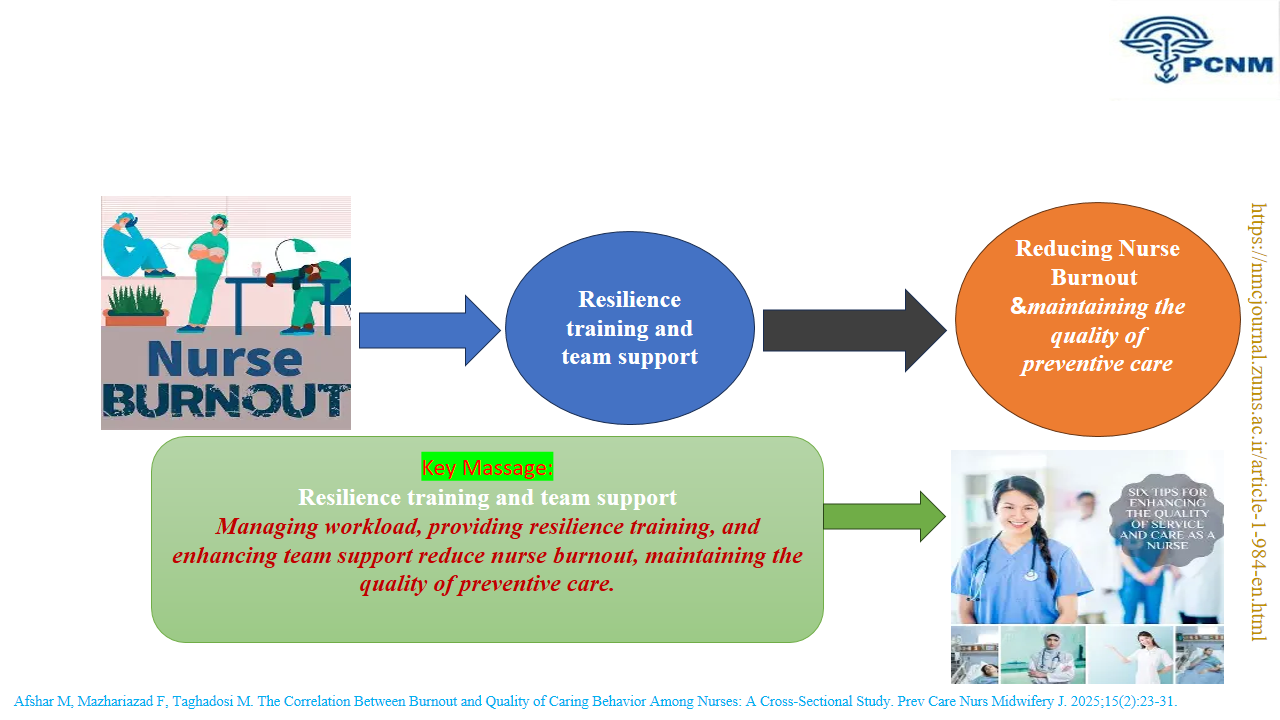
Table 2. Mean and Standard Deviation Scores for Burnout and Caring Behavior Quality
Reveals significant negative correlations between both burnout measures (frequency and intensity) and care behavior quality (P<0.001), indicating that as nurses’ burnout increases, their care quality significantly decreases (Table 3).
Table 3. Correlations Between Job Burnout and Quality of Caring Behaviors (N=212)
Note. CI = confidence interval; * p<0.00.1
The coefficient of determination (R²) indicates that the frequency and intensity of burnout independently explain 10.7% and 8.8% of the variance in the quality of nurses’ caring behaviors, respectively. Furthermore, based on the regression coefficients and considering that the p-values were less than the significance level of 0.001, it can be concluded that burnout (both frequency and intensity) significantly predicts the quality of nurses' caring behaviors. In other words, burnout has a statistically significant impact on the quality of caring behaviors provided by nurses (Table 4).
Table 4. Multiple Regression Analysis Predicting Caring Behavior Quality from Burnout Dimensions (N=212)
Note. CI = confidence interval. The reported R² values represent the proportion of variance uniquely explained by each predictor. The beta (β) coefficients are standardized.
The components of personal accomplishment and depersonalization (both frequency and intensity) have a significant correlation with all components of caring behaviors (P < 0.01). However, the component of emotional exhaustion (both frequency and intensity) shows no significant correlation with any of the caring behavior components (P > 0.05) (Table 5).
Discussion
The present study investigated the relationship between burnout and the quality of caring behaviors among nurses employed in hospitals affiliated with Kashan University of Medical Sciences. The findings indicated that the level of burnout among participating nurses ranged from moderate to high, particularly in the dimensions of emotional exhaustion and depersonalization. Meanwhile, the average score for caring behaviors was reported to be relatively moderate, consistent with the findings of Askari et al., who similarly observed moderate levels of caring behavior among nurses under occupational stress [21].
In the study by Tesema et al., although nurses’ perception of caring behavior was reported as acceptable, it was comparatively lower than in previous studies, reflecting significant psychological stress among the nursing staff [22].
These findings align with the current study, reinforcing the notion that nursing is intrinsically stressful and that burnout adversely impacts caring performance.
A systematic review further supported these findings by reporting moderate levels of emotional exhaustion and high levels of depersonalization and reduced personal accomplishment among emergency nurses [26].
The results of the present study revealed a significant negative correlation between both the frequency and intensity of burnout and the quality of caring behaviors (P < 0.01). This indicates that as nurses experience higher levels of burnout, their ability to provide empathetic, respectful, and professionally competent care diminishes. This inverse relationship supports earlier findings that job burnout weakens nurses’ ability to maintain compassionate professionalism and adequately respond to patients' needs [27]. Among the burnout dimensions, reduced personal accomplishment and depersonalization exhibited the strongest correlations with all subdomains of caring behaviors. This suggests that lower self-efficacy and greater emotional detachment are associated with reduced engagement in caring behaviors.
Similarly, the study by Efıl et al. reported weak correlations between emotional exhaustion and depersonalization with poor caring behaviors, but a strong negative correlation between low personal accomplishment and poor caring behavior [7].
Heidari et al. also found that care quality had a significant inverse relationship with the subscales of burnout—namely emotional exhaustion and depersonalization—and a positive correlation with personal accomplishment. Their findings further revealed an inverse relationship between care quality and the severity dimensions of burnout [28].
Interestingly, emotional exhaustion was not significantly correlated with any of the caring behavior dimensions in this study, despite being frequently identified in previous research as a primary factor in diminished nursing performance [3, 29]. This discrepancy may reflect coping mechanisms among nurses, cultural expectations of the nursing profession, or organizational norms that prioritize task completion over emotional interaction.
Several factors may contribute to high burnout in the domain of personal accomplishment, such as limited professional experience among younger nurses, patient aggression or abuse, and a lack of assertiveness. Psychosocial factors-including lack of family support, spousal unemployment, excessive workload, and low workplace control-also exacerbate this issue.
Regression analysis confirmed the predictive role of burnout on the quality of caring behaviors. Burnout frequency and intensity explained 10.7% and 8.8% of the variance in caring behavior scores, respectively, indicating a statistically significant but moderate effect. This suggests that while burnout is a key predictor, other organizational and interpersonal factors also influence variations in caring behaviors.
Many participants worked rotating shifts and had extensive job tenure, which are known risk factors for chronic stress and burnout, consistent with findings by Chirico et al. Additionally, high levels of depersonalization may indicate a defensive mechanism used by nurses to cope with heavy workloads and systemic challenges [30]. Belay et al. also reported high levels of burnout among nurses, suggesting the need to improve educational opportunities and strengthen social support systems to enhance healthcare quality, job satisfaction, and nursing care [31].
The present study has several limitations. The study population was limited to nurses working in teaching hospitals, excluding those in private hospitals, which restricts the generalizability of the findings to similar settings in Iran.
Additionally, data were collected using self-reported questionnaires, which may introduce response bias due to over- or under-reporting of burnout symptoms, and this bias could not be controlled. Furthermore, individual personality traits and levels of family support were not considered in the analysis. Future studies are recommended to investigate the impact of workplace conditions across diverse nursing settings and explore the role of individual personality traits in relation to occupational burnout.
Conclusions
The findings underscore the detrimental impact of job burnout on the quality of nurses’ caring behaviors and highlight the urgent need for organizational interventions to prevent burnout and enhance care quality. Targeted strategies—such as workload management, emotional resilience training, strengthened team support, and recognition of clinical performance—can help sustain high standards of nursing care in high-stress environments.
Ethical Consideration
The Ethics Review Board of the Kashan University of Medical Sciences approved the present
Study with the following number: IR.KAUMS.NUHEPM.REC.1398.037.
Acknowledgments
The authors gratefully acknowledge the valuable contributions of the nurses who participated in this study.
Conflict of Interest
The authors declare that they have no competing interests.
Funding
This research received no specific grant from any funding agency in the public or private sectors.
Author Contributions
Afshar M. and Taghadosi M. supervised all of the stages of the data collection and data analysis, and provided critical points during the manuscript. Mazhariazad F. performed the study conception, data collection, and analysis, and wrote the first draft of the manuscript. All authors have read and agreed to the published version of the manuscript.
Artificial Intelligence Utilization for Article Writing
Artificial intelligence was used to assist with the translation and editing of this manuscript. All content was reviewed, verified, and final edited by the authors.
Data Availability Statement
The data are available from the corresponding author
Graphical Abstract:
Reseach Highlights:
Knowledge Translation Statement
Audience: Hospital administrators, nursing managers, healthcare policymakers, and nurse educators
Research shows that higher levels of burnout in nurses are directly linked to lower quality of caring behaviors. To protect care quality, healthcare organizations should implement structured workload management to prevent excessive demands and introduce mandatory emotional resilience and peer support training programs for nursing staff.
Audience: Hospital administrators, nursing managers, healthcare policymakers, and nurse educators
Research shows that higher levels of burnout in nurses are directly linked to lower quality of caring behaviors. To protect care quality, healthcare organizations should implement structured workload management to prevent excessive demands and introduce mandatory emotional resilience and peer support training programs for nursing staff.
Full-Text: (332 Views)
Introduction
Burnout Syndrome (BOS) is a psychological condition that arises as a prolonged response to chronic occupational stress and interpersonal challenges. It is defined by three core dimensions: emotional exhaustion, depersonalization, and a reduced sense of personal accomplishment [1]. This phenomenon is particularly prevalent in healthcare professions, such as nursing, where continuous and direct interactions with patients and their families are central to the role [2]. Burnout not only affects the psychological well-being of nurses but also has far-reaching consequences for the quality of care, patient safety, and overall organizational performance [3].
In many hospital departments, nurses who once entered the profession with compassion, discipline, and a strong motivation to provide care may become disillusioned over time. Prolonged exposure to high job demands and work-related stress can lead to emotional fatigue and even a desire to leave the profession altogether [2]. Evidence suggests that healthcare professionals are more susceptible to burnout due to unique stressors such as patient mortality, managing complex medical needs, interpersonal conflicts, low social support, excessive workloads, job insecurity, inadequate compensation, overcrowding, decision-making under uncertainty, accountability for critical outcomes, the pressure to avoid mistakes, workplace violence, and night shifts [4]. Compared to other professions, these cumulative stressors contribute to diminished job performance, increased psychological distress, and ultimately, higher levels of burnout. The adverse outcomes of burnout include increased absenteeism, greater intention to leave the profession, and diminished quality of patient care [5, 6]. Research conducted by Efıl et al. indicates that nurses working in intensive care units exhibit significantly higher levels of burnout compared to those in general wards [7].
In recent years, global nursing shortages have emerged as a critical challenge in healthcare. An increased patient load, unfavorable working conditions, role ambiguity, interpersonal tensions, and the complex needs of patients and families all contribute to heightened burnout risk among nurses [8, 9].
These factors not only reduce productivity but also lead to maladaptive caregiving behaviors and increased risk of medical errors, thereby compromising patient safety [10]. Moreover, burnout has been associated with prolonged hospital stays, lower patient satisfaction, and increased mortality rates [11, 12].
Nurses are fundamentally committed to delivering high-quality care, aiming to maximize patient survival. Nonetheless, nurses may hold diverse perspectives on caregiving [13]. The study by Azimilolaty et al. (2021) found an inverse correlation between burnout and the quality of nursing care. Therefore, providing quality care to hospitalized patients increases their satisfaction with hospitals [14]. Qualitative studies have revealed that many nurses perceive caregiving as a core component of their professional identity and inherently therapeutic. Moreover, the rising cost of healthcare has led to shorter hospital stays, potentially altering patients’ perceptions of nursing care and satisfaction with healthcare services [15].
At the same time, the time previously allocated to direct patient care has diminished due to numerous internal and external organizational challenges and burnout, likely affecting the perceived impact of nursing care and patient satisfaction.
Given that burnout can reduce nurses’ commitment to fulfilling caregiving roles, it may lead to a sense of detachment from their professional responsibilities [16, 17]. Conversely, a positive attitude toward the supportive role of nursing has been shown to enhance professional autonomy, self-confidence, environmental control, and job satisfaction—factors that may mitigate burnout [18].
Considering the detrimental effects of burnout on caregiving behavior, job satisfaction, and patient outcomes, regular evaluation of burnout levels and identification of related risk factors is of critical importance.
Objective
This study aimed to evaluate the prevalence of burnout and its effect on the quality of nursing care behaviors at Shahid Beheshti Hospital in Kashan.
Methods
Study Design and Setting
This cross-sectional analytical study was conducted on 213 nurses working in hospitals affiliated with Kashan University of Medical Sciences from June to September 2022. Sampling was carried out at Shahid Beheshti, Kargarnejad, Matini, and Naghavi hospitals.
Participants and Sampling
Participants were selected using convenience sampling based on the inclusion criteria: nurses working in hospitals affiliated with Kashan University of Medical Sciences (Shahid Beheshti, Kargarnezhad, Matini, and Naghavi) with at least one year of clinical experience in their current ward. Exclusion criteria included a history of severe mental illness and unwillingness to participate in the study. To determine the sample size with a 95% confidence level and 80% test power, assuming that the correlation coefficient between nursing care quality and each dimension of job burnout is at least r = 0.25, the initial sample size was estimated to be 193 participants based on the correlation study formula. Considering a possible 10% attrition rate, the final required sample size was increased to 213 participants.
Data Collection Tools
The demographic information questionnaire included a personal characteristics form for the samples (age, gender, marital status, education level, Number of Children, Employment Status, Work Shift, Nursing Work Experience, Experience in Current Ward). The Maslach Burnout Inventory (MBI), Standard Form 1, consists of 22 items designed to assess three dimensions of burnout: emotional exhaustion (9 items), depersonalization (5 items), and reduced personal accomplishment (8 items). Each item is scored on two scales: frequency (ranging from 0=never to 6=every day) and intensity (ranging from 0=none to 7=very high) [1]. High scores in emotional exhaustion and depersonalization, combined with a low score in personal accomplishment, indicate a high level of burnout. Scores for each dimension are calculated separately and are not combined into a single total score.
The maximum scores for each dimension are as follows: Emotional exhaustion: frequency 54, intensity 63. Depersonalization: frequency 30, intensity 35Personal accomplishment: frequency 48, intensity 56.
The questionnaire was psychometrically evaluated by Dehghani et al. (2017), demonstrating convergent validity. Its reliability, assessed using Cronbach's alpha, was reported as 0.73 and 0.89, respectively [11]. Rostami and Khandan also psychometrically evaluated the tool and confirmed its reliability with a Cronbach's alpha of 0.91 [12].
The reliability of the questionnaire was assessed in the present study using Cronbach’s alpha, yielding a coefficient of 0.87.
The Caring Behaviors Inventory (CBI), Standard Form 2, was developed by Wolf in 1998 with 75 items and later revised to 42 items. This questionnaire comprises 42 items and 5 subscales: Respect for others (items 1–12), Assurance of human presence (items 13–24), Positive connectedness (items 25–33), Professional knowledge and skill (items 34–38), Attention to others’ experiences (items 39–42). The scoring method involves calculating the mean score for each subscale by summing the scores of its respective items and dividing by the number of items. Each item is rated on a six-point Likert scale (from 1=never to 6=always). The total score ranges from a minimum of 42 to a maximum of 252, with higher scores indicating more desirable caring behaviors [19]. The questionnaire was translated into Persian by Hajinezhad et al. (2021), reporting a Cronbach’s alpha of 0.92 [20]. In the present study, a Cronbach’s alpha of 0.85 was obtained.
Data Collection Procedure
Participants were instructed to complete the questionnaires thoughtfully and in a quiet environment to ensure data quality. All responses were anonymized and coded for analysis.
The procedure was conducted as follows: after obtaining a list of eligible nurses from the nursing office of each hospital, the researcher visited the wards and approached the nurses.
The purpose of the study was explained to them, and assurances were given regarding confidentiality and anonymity. After obtaining informed consent, the questionnaires were distributed to the participants. The average time required to complete the questionnaire was 10 to 15 minutes, and it was completed by nurses during a single work shift.
Data Analysis
Data were analyzed using SPSS software (version 26). Descriptive statistics (frequency, mean, percentage, and standard deviation). were used to summarize the demographic characteristics of the participants and the distribution of variables. In the inferential analysis, Pearson’s correlation coefficient was used to examine the relationships between burnout and caring behaviors, and simple and multiple linear regression analyses were performed to assess the predictive power of burnout dimensions on the quality of caring behaviors.
A significance level of P < 0.001 was considered for all statistical tests. One questionnaire with incomplete responses was excluded from the final analysis out of 213 questionnaires, leaving 212 for analysis. As the data missingness was completely random (MCAR), the results remain valid and unbiased.
Results
In this study, a total of 212 nurses participated (186 from Shahid Beheshti Hospital, 6 from Kargarnejad Hospital, 9 from Matini Hospital, and 11 from Naghavi Hospital). The mean age of the participants was 33.62 years (SD = 7.17). Table 1 presents the frequency distribution of participants based on demographic variables.
The mean scores for the frequency and intensity of burnout among nurses were 46.24 (SD = 19.20) and 53.50 (SD = 21.19), respectively. The mean score for the quality of caring behaviors was 209.96 (SD = 27.13) (Table 2).
Table 1. Frequency Distribution of Demographic Characteristics of Participants (N = 212)
Burnout Syndrome (BOS) is a psychological condition that arises as a prolonged response to chronic occupational stress and interpersonal challenges. It is defined by three core dimensions: emotional exhaustion, depersonalization, and a reduced sense of personal accomplishment [1]. This phenomenon is particularly prevalent in healthcare professions, such as nursing, where continuous and direct interactions with patients and their families are central to the role [2]. Burnout not only affects the psychological well-being of nurses but also has far-reaching consequences for the quality of care, patient safety, and overall organizational performance [3].
In many hospital departments, nurses who once entered the profession with compassion, discipline, and a strong motivation to provide care may become disillusioned over time. Prolonged exposure to high job demands and work-related stress can lead to emotional fatigue and even a desire to leave the profession altogether [2]. Evidence suggests that healthcare professionals are more susceptible to burnout due to unique stressors such as patient mortality, managing complex medical needs, interpersonal conflicts, low social support, excessive workloads, job insecurity, inadequate compensation, overcrowding, decision-making under uncertainty, accountability for critical outcomes, the pressure to avoid mistakes, workplace violence, and night shifts [4]. Compared to other professions, these cumulative stressors contribute to diminished job performance, increased psychological distress, and ultimately, higher levels of burnout. The adverse outcomes of burnout include increased absenteeism, greater intention to leave the profession, and diminished quality of patient care [5, 6]. Research conducted by Efıl et al. indicates that nurses working in intensive care units exhibit significantly higher levels of burnout compared to those in general wards [7].
In recent years, global nursing shortages have emerged as a critical challenge in healthcare. An increased patient load, unfavorable working conditions, role ambiguity, interpersonal tensions, and the complex needs of patients and families all contribute to heightened burnout risk among nurses [8, 9].
These factors not only reduce productivity but also lead to maladaptive caregiving behaviors and increased risk of medical errors, thereby compromising patient safety [10]. Moreover, burnout has been associated with prolonged hospital stays, lower patient satisfaction, and increased mortality rates [11, 12].
Nurses are fundamentally committed to delivering high-quality care, aiming to maximize patient survival. Nonetheless, nurses may hold diverse perspectives on caregiving [13]. The study by Azimilolaty et al. (2021) found an inverse correlation between burnout and the quality of nursing care. Therefore, providing quality care to hospitalized patients increases their satisfaction with hospitals [14]. Qualitative studies have revealed that many nurses perceive caregiving as a core component of their professional identity and inherently therapeutic. Moreover, the rising cost of healthcare has led to shorter hospital stays, potentially altering patients’ perceptions of nursing care and satisfaction with healthcare services [15].
At the same time, the time previously allocated to direct patient care has diminished due to numerous internal and external organizational challenges and burnout, likely affecting the perceived impact of nursing care and patient satisfaction.
Given that burnout can reduce nurses’ commitment to fulfilling caregiving roles, it may lead to a sense of detachment from their professional responsibilities [16, 17]. Conversely, a positive attitude toward the supportive role of nursing has been shown to enhance professional autonomy, self-confidence, environmental control, and job satisfaction—factors that may mitigate burnout [18].
Considering the detrimental effects of burnout on caregiving behavior, job satisfaction, and patient outcomes, regular evaluation of burnout levels and identification of related risk factors is of critical importance.
Objective
This study aimed to evaluate the prevalence of burnout and its effect on the quality of nursing care behaviors at Shahid Beheshti Hospital in Kashan.
Methods
Study Design and Setting
This cross-sectional analytical study was conducted on 213 nurses working in hospitals affiliated with Kashan University of Medical Sciences from June to September 2022. Sampling was carried out at Shahid Beheshti, Kargarnejad, Matini, and Naghavi hospitals.
Participants and Sampling
Participants were selected using convenience sampling based on the inclusion criteria: nurses working in hospitals affiliated with Kashan University of Medical Sciences (Shahid Beheshti, Kargarnezhad, Matini, and Naghavi) with at least one year of clinical experience in their current ward. Exclusion criteria included a history of severe mental illness and unwillingness to participate in the study. To determine the sample size with a 95% confidence level and 80% test power, assuming that the correlation coefficient between nursing care quality and each dimension of job burnout is at least r = 0.25, the initial sample size was estimated to be 193 participants based on the correlation study formula. Considering a possible 10% attrition rate, the final required sample size was increased to 213 participants.
Data Collection Tools
The demographic information questionnaire included a personal characteristics form for the samples (age, gender, marital status, education level, Number of Children, Employment Status, Work Shift, Nursing Work Experience, Experience in Current Ward). The Maslach Burnout Inventory (MBI), Standard Form 1, consists of 22 items designed to assess three dimensions of burnout: emotional exhaustion (9 items), depersonalization (5 items), and reduced personal accomplishment (8 items). Each item is scored on two scales: frequency (ranging from 0=never to 6=every day) and intensity (ranging from 0=none to 7=very high) [1]. High scores in emotional exhaustion and depersonalization, combined with a low score in personal accomplishment, indicate a high level of burnout. Scores for each dimension are calculated separately and are not combined into a single total score.
The maximum scores for each dimension are as follows: Emotional exhaustion: frequency 54, intensity 63. Depersonalization: frequency 30, intensity 35Personal accomplishment: frequency 48, intensity 56.
The questionnaire was psychometrically evaluated by Dehghani et al. (2017), demonstrating convergent validity. Its reliability, assessed using Cronbach's alpha, was reported as 0.73 and 0.89, respectively [11]. Rostami and Khandan also psychometrically evaluated the tool and confirmed its reliability with a Cronbach's alpha of 0.91 [12].
The reliability of the questionnaire was assessed in the present study using Cronbach’s alpha, yielding a coefficient of 0.87.
The Caring Behaviors Inventory (CBI), Standard Form 2, was developed by Wolf in 1998 with 75 items and later revised to 42 items. This questionnaire comprises 42 items and 5 subscales: Respect for others (items 1–12), Assurance of human presence (items 13–24), Positive connectedness (items 25–33), Professional knowledge and skill (items 34–38), Attention to others’ experiences (items 39–42). The scoring method involves calculating the mean score for each subscale by summing the scores of its respective items and dividing by the number of items. Each item is rated on a six-point Likert scale (from 1=never to 6=always). The total score ranges from a minimum of 42 to a maximum of 252, with higher scores indicating more desirable caring behaviors [19]. The questionnaire was translated into Persian by Hajinezhad et al. (2021), reporting a Cronbach’s alpha of 0.92 [20]. In the present study, a Cronbach’s alpha of 0.85 was obtained.
Data Collection Procedure
Participants were instructed to complete the questionnaires thoughtfully and in a quiet environment to ensure data quality. All responses were anonymized and coded for analysis.
The procedure was conducted as follows: after obtaining a list of eligible nurses from the nursing office of each hospital, the researcher visited the wards and approached the nurses.
The purpose of the study was explained to them, and assurances were given regarding confidentiality and anonymity. After obtaining informed consent, the questionnaires were distributed to the participants. The average time required to complete the questionnaire was 10 to 15 minutes, and it was completed by nurses during a single work shift.
Data Analysis
Data were analyzed using SPSS software (version 26). Descriptive statistics (frequency, mean, percentage, and standard deviation). were used to summarize the demographic characteristics of the participants and the distribution of variables. In the inferential analysis, Pearson’s correlation coefficient was used to examine the relationships between burnout and caring behaviors, and simple and multiple linear regression analyses were performed to assess the predictive power of burnout dimensions on the quality of caring behaviors.
A significance level of P < 0.001 was considered for all statistical tests. One questionnaire with incomplete responses was excluded from the final analysis out of 213 questionnaires, leaving 212 for analysis. As the data missingness was completely random (MCAR), the results remain valid and unbiased.
Results
In this study, a total of 212 nurses participated (186 from Shahid Beheshti Hospital, 6 from Kargarnejad Hospital, 9 from Matini Hospital, and 11 from Naghavi Hospital). The mean age of the participants was 33.62 years (SD = 7.17). Table 1 presents the frequency distribution of participants based on demographic variables.
The mean scores for the frequency and intensity of burnout among nurses were 46.24 (SD = 19.20) and 53.50 (SD = 21.19), respectively. The mean score for the quality of caring behaviors was 209.96 (SD = 27.13) (Table 2).
Table 1. Frequency Distribution of Demographic Characteristics of Participants (N = 212)
| Variable | Category | Frequency | % |
| Gender | |||
| Male | 53 | 25.0 | |
| Female | 159 | 75.0 | |
| Age (years) | |||
| Under 30 | 68 | 32.1 | |
| 30-35 | 53 | 25.0 | |
| 36-40 | 55 | 25.9 | |
| Over 40 | 37 | 17.5 | |
| Marital Status | |||
| Single | 46 | 21.6 | |
| Married | 165 | 77.5 | |
| Widowed/Divorced | 2 | 0.9 | |
| Number of Children | |||
| None | 90 | 42.5 | |
| One | 47 | 22.2 | |
| Two | 60 | 28.3 | |
| Three | 15 | 7.1 | |
| Education Level | |||
| Master’s degree | 23 | 10.8 | |
| Bachelor’s degree | 183 | 85.9 | |
| Associate degree | 7 | 3.3 | |
| Employment Status | |||
| Permanent | 127 | 59.8 | |
| Contractual | 17 | 8.0 | |
| Temporary | 29 | 13.7 | |
| Internship | 38 | 17.9 | |
| Work Shift | |||
| Morning | 35 | 16.4 | |
| Evening | 3 | 1.4 | |
| Rotating | 174 | 81.7 | |
| Other | 1 | 0.5 | |
| Nursing Work Experience (years) | |||
| < 5 | 54 | 25.5 | |
| 5-10 | 58 | 27.4 | |
| > 10 | 100 | 47.2 | |
| Experience in Current Ward (years) | |||
| < 5 | 118 | 55.7 | |
| 5-10 | 69 | 32.5 | |
| > 10 | 25 | 11.8 |
Table 2. Mean and Standard Deviation Scores for Burnout and Caring Behavior Quality
| Variable | Component | Mean | SD |
| Burnout (Frequency) | |||
| Emotional Exhaustion | 23.66 | 12.45 | |
| Personal Accomplishment | 31.14 | 9.96 | |
| Depersonalization | 5.73 | 6.84 | |
| Total Score | 46.24 | 19.20 | |
| Burnout (Intensity) | |||
| Emotional Exhaustion | 26.67 | 14.00 | |
| Personal Accomplishment | 35.24 | 11.08 | |
| Depersonalization | 6.43 | 7.16 | |
| Total Score | 53.58 | 21.19 | |
| Quality of Caring Behaviors | |||
| Respect for Others | 60.58 | 8.21 | |
| Assurance of Human Presence | 62.74 | 8.47 | |
| Positive Connectedness | 39.38 | 6.37 | |
| Professional Knowledge and Skill | 26.45 | 3.59 | |
| Attentiveness to Others’ Experiences | 20.81 | 3.09 | |
| Total Score | 209.96 |
| 27.13 |
Reveals significant negative correlations between both burnout measures (frequency and intensity) and care behavior quality (P<0.001), indicating that as nurses’ burnout increases, their care quality significantly decreases (Table 3).
Table 3. Correlations Between Job Burnout and Quality of Caring Behaviors (N=212)
| Variable | r | 95% CI | P* |
| Burnout Frequency | -0.327 | [-0.453, -0.213] | < 0.001 |
| Burnout Intensity | -0.296 | [-0.412, -0.169] | < 0.001 |
The coefficient of determination (R²) indicates that the frequency and intensity of burnout independently explain 10.7% and 8.8% of the variance in the quality of nurses’ caring behaviors, respectively. Furthermore, based on the regression coefficients and considering that the p-values were less than the significance level of 0.001, it can be concluded that burnout (both frequency and intensity) significantly predicts the quality of nurses' caring behaviors. In other words, burnout has a statistically significant impact on the quality of caring behaviors provided by nurses (Table 4).
Table 4. Multiple Regression Analysis Predicting Caring Behavior Quality from Burnout Dimensions (N=212)
| Predictor | R2 | β | t | 95% CI | p |
| Burnout Frequency | .107 | -0.327 | -5.026 | [-0.463, -0.175] | < 0.001 |
| Burnout Intensity | .088 | -0.296 | -4.506 | [-0.432, -0.160] | < 0.001 |
The components of personal accomplishment and depersonalization (both frequency and intensity) have a significant correlation with all components of caring behaviors (P < 0.01). However, the component of emotional exhaustion (both frequency and intensity) shows no significant correlation with any of the caring behavior components (P > 0.05) (Table 5).
Discussion
The present study investigated the relationship between burnout and the quality of caring behaviors among nurses employed in hospitals affiliated with Kashan University of Medical Sciences. The findings indicated that the level of burnout among participating nurses ranged from moderate to high, particularly in the dimensions of emotional exhaustion and depersonalization. Meanwhile, the average score for caring behaviors was reported to be relatively moderate, consistent with the findings of Askari et al., who similarly observed moderate levels of caring behavior among nurses under occupational stress [21].
In the study by Tesema et al., although nurses’ perception of caring behavior was reported as acceptable, it was comparatively lower than in previous studies, reflecting significant psychological stress among the nursing staff [22].
Table 5. Correlation Matrix between Burnout Components and Caring Behaviors (N = 212)
| Caring Behavior Component | Burnout (Intensity) | Burnout (Frequency) | ||||
| Personal Accomplishment | Depersonalization | Emotional Exhaustion | Personal Accomplishment | Depersonalization | Emotional Exhaustion | |
| Respect for Others | .282** | -.333** | -.095 | .283** | -.348** | -.115 |
| Assurance of Human Presence | .341** | -.287** | .007 | .301** | -.327** | -.035 |
| Positive Connectedness | .347** | -.225** | .041 | .303** | -.237** | -.019 |
| Professional Knowledge and Skill | .353** | -.331** | .035 | .313** | -.361** | -.025 |
| Attentiveness to Others’ Experiences | .303** | -.284** | .070 | .259** | -.324** | -.018 |
Note. **p < .01.
Another study in the United States on oncology nurses also indicated a negative relationship between burnout and the quality of nursing care delivery [23]. Similarly, a study on nurses working in nursing homes reported consistent findings [24]. Begjani et al. also highlighted that nursing is an inherently high-stress profession, where elevated stress can lead to burnout and a decline in care quality [25]. These findings align with the current study, reinforcing the notion that nursing is intrinsically stressful and that burnout adversely impacts caring performance.
A systematic review further supported these findings by reporting moderate levels of emotional exhaustion and high levels of depersonalization and reduced personal accomplishment among emergency nurses [26].
The results of the present study revealed a significant negative correlation between both the frequency and intensity of burnout and the quality of caring behaviors (P < 0.01). This indicates that as nurses experience higher levels of burnout, their ability to provide empathetic, respectful, and professionally competent care diminishes. This inverse relationship supports earlier findings that job burnout weakens nurses’ ability to maintain compassionate professionalism and adequately respond to patients' needs [27]. Among the burnout dimensions, reduced personal accomplishment and depersonalization exhibited the strongest correlations with all subdomains of caring behaviors. This suggests that lower self-efficacy and greater emotional detachment are associated with reduced engagement in caring behaviors.
Similarly, the study by Efıl et al. reported weak correlations between emotional exhaustion and depersonalization with poor caring behaviors, but a strong negative correlation between low personal accomplishment and poor caring behavior [7].
Heidari et al. also found that care quality had a significant inverse relationship with the subscales of burnout—namely emotional exhaustion and depersonalization—and a positive correlation with personal accomplishment. Their findings further revealed an inverse relationship between care quality and the severity dimensions of burnout [28].
Interestingly, emotional exhaustion was not significantly correlated with any of the caring behavior dimensions in this study, despite being frequently identified in previous research as a primary factor in diminished nursing performance [3, 29]. This discrepancy may reflect coping mechanisms among nurses, cultural expectations of the nursing profession, or organizational norms that prioritize task completion over emotional interaction.
Several factors may contribute to high burnout in the domain of personal accomplishment, such as limited professional experience among younger nurses, patient aggression or abuse, and a lack of assertiveness. Psychosocial factors-including lack of family support, spousal unemployment, excessive workload, and low workplace control-also exacerbate this issue.
Regression analysis confirmed the predictive role of burnout on the quality of caring behaviors. Burnout frequency and intensity explained 10.7% and 8.8% of the variance in caring behavior scores, respectively, indicating a statistically significant but moderate effect. This suggests that while burnout is a key predictor, other organizational and interpersonal factors also influence variations in caring behaviors.
Many participants worked rotating shifts and had extensive job tenure, which are known risk factors for chronic stress and burnout, consistent with findings by Chirico et al. Additionally, high levels of depersonalization may indicate a defensive mechanism used by nurses to cope with heavy workloads and systemic challenges [30]. Belay et al. also reported high levels of burnout among nurses, suggesting the need to improve educational opportunities and strengthen social support systems to enhance healthcare quality, job satisfaction, and nursing care [31].
The present study has several limitations. The study population was limited to nurses working in teaching hospitals, excluding those in private hospitals, which restricts the generalizability of the findings to similar settings in Iran.
Additionally, data were collected using self-reported questionnaires, which may introduce response bias due to over- or under-reporting of burnout symptoms, and this bias could not be controlled. Furthermore, individual personality traits and levels of family support were not considered in the analysis. Future studies are recommended to investigate the impact of workplace conditions across diverse nursing settings and explore the role of individual personality traits in relation to occupational burnout.
Conclusions
The findings underscore the detrimental impact of job burnout on the quality of nurses’ caring behaviors and highlight the urgent need for organizational interventions to prevent burnout and enhance care quality. Targeted strategies—such as workload management, emotional resilience training, strengthened team support, and recognition of clinical performance—can help sustain high standards of nursing care in high-stress environments.
Ethical Consideration
The Ethics Review Board of the Kashan University of Medical Sciences approved the present
Study with the following number: IR.KAUMS.NUHEPM.REC.1398.037.
Acknowledgments
The authors gratefully acknowledge the valuable contributions of the nurses who participated in this study.
Conflict of Interest
The authors declare that they have no competing interests.
Funding
This research received no specific grant from any funding agency in the public or private sectors.
Author Contributions
Afshar M. and Taghadosi M. supervised all of the stages of the data collection and data analysis, and provided critical points during the manuscript. Mazhariazad F. performed the study conception, data collection, and analysis, and wrote the first draft of the manuscript. All authors have read and agreed to the published version of the manuscript.
Artificial Intelligence Utilization for Article Writing
Artificial intelligence was used to assist with the translation and editing of this manuscript. All content was reviewed, verified, and final edited by the authors.
Data Availability Statement
The data are available from the corresponding author
Type of Study: Orginal research |
Subject:
Nursing
References
1. Maslach C, Jackson SE. The Measurement of Experienced Burnout. Journal of Organizational Behavior. 1981;2(2):99-113. [https://doi.org/10.1002/job.4030020205]
2. Chung H-C, Chen Y-C, Chang S-C, Hsu W-L, Hsieh T-C. Development and Validation of Nurses’ Well-Being and Caring Nurse–Patient Interaction Model: A Psychometric Study. International Journal of Environmental Research and Public Health. 2021;18(15):7750. [https://doi.org/10.3390/ijerph18157750]
3. Zhang X, Wu Y. Roles and Contributions of Companions in Healthcare Professional-Older Patient Interaction: A Systematic Review. Patient Education and Counseling. 2025;130:108455. [https://doi.org/10.1016/j.pec.2024.108455]
4. Khatatbeh H, Pakai A, Al‐Dwaikat T, Onchonga D, Amer F, Prémusz V, et al. Nurses’ Burnout and Quality of Life: A Systematic Review and Critical Analysis of Measures Used. Nursing Open. 2022;9(3):1564-74. [https://doi.org/10.1002/nop2.936]
5. Dutra CKdR, Guirardello EdB. Nurse Work Environment and Its Impact on Reasons for Missed Care, Safety Climate, and Job Satisfaction: A Cross‐Sectional Study. Journal of Advanced Nursing. 2021;77(5):2398-406. [https://doi.org/10.1111/jan.14764]
6. Vermeir P, Blot S, Degroote S, Vandijck D, Mariman A, Vanacker T, et al. Communication Satisfaction and Job Satisfaction Among Critical Care Nurses and Their Impact on Burnout and Intention to Leave: A Questionnaire Study. Intensive and Critical Care Nursing. 2018;48:21-7. [https://doi.org/10.1016/j.iccn.2018.07.001]
7. Efıl S, Turen S, Ayvaz MY, Bulbul E, Yenı T. Burnout Levels and Care Behaviours in Intensive Care Nurses: A Cross-Sectional, Multicentre Study. Intensive and Critical Care Nursing. 2022;71:103246. [https://doi.org/10.1016/j.iccn.2022.103246]
8. Mazhariazad F, Adib HM. Concept Analysis of “Role Strain” According to Walker and Avant’s Approach. Iranian Journal of Nursing Research. 2021;16(3):29-38. [https://sid.ir/paper/984403/en]
9. Bruyneel A, Smith P, Tack J, Pirson M. Prevalence of Burnout Risk and Factors Associated With Burnout Risk Among ICU Nurses During the COVID-19 Outbreak in French Speaking Belgium. Intensive and Critical Care Nursing. 2021;65:103059. [https://doi.org/10.1016/j.iccn.2021.103059]
10. Mohammed Alhussin E, Mohamed SA, Hassan AA, Al-Qudimat AR, Doaib AM, al jonidy RM, et al. Patients’ Satisfaction With the Quality of Nursing Care: A Cross-Section Study. International Journal of Africa Nursing Sciences. 2024;20:100690. [https://doi.org/10.1016/j.ijans.2024.100690]
11. Dehghani Y, Asghari F, Saeidpour F, Joukar E. Prediction of Occupational Burnout Based on Job Satisfaction, Personality Traits and Mental Health. Iranian Journal of Nursing Research. 2017;12(5):61-70. [http://ijnr.ir/article-1-1833-en.html]
12. Khandan M, Rostami M. Investigating the Correlation Between Job Burnout and Ethical Decision Making Among Nurses Working in Intensive Care Units. Journal of Health and Care. 2024;25(3):234-44. [http://doi.org/10.61186/jhc.25.3.234]
13. Thomas D, Newcomb P, Fusco P. Perception of Caring Among Patients and Nurses. Journal of Patient Experience. 2019;6(3):194-200. [https://doi.org/10.1177/2374373518795713]
14. Azimilolaty H, Rezaei S, Khorram M, Mousavinasab N, Heidari T. Correlation Between the Quality of Nursing Care and Burnout of Nurses in the Teaching Hospitals Affiliated to Mazandaran University of Medical Sciences, Iran. Iran Journal of Nursing. 2021;33(128):54-66. [http://ijn.iums.ac.ir/article-1-3339-en.html]
15. Aghabarary M, Dehghan Nayeri N, Varvani Farahani A. Perception of Futile Care: A Qualitative Study. Hayat. 2019;24(4):381-404. [http://hayat.tums.ac.ir/article-1-2811-en.html]
16. Alikari V, Gerogianni G, Fradelos EC, Kelesi M, Kaba E, Zyga S. Perceptions of Caring Behaviors Among Patients and Nurses. International Journal of Environmental Research and Public Health. 2022;20(1):396. [https://doi.org/10.3390/ijerph20010396]
17. Jaradat Y, Qtait M. Occupational Stress and Associated Risk Factors Among Nurses in Hebron Hospitals: A Cross-Sectional Study From the West Bank, Palestine. SAGE Open Nursing. 2025;11:1-8. [https://doi.org/10.1177/23779608251374155]
18. Woo T, Ho R, Tang A, Tam W. Global Prevalence of Burnout Symptoms Among Nurses: A Systematic Review and Meta-Analysis. Journal of Psychiatric Research. 2020;123:9-20. [https://doi.org/10.1016/j.jpsychires.2019.12.015]
19. Wolf ZR, Colahan M, Costello A. Relationship Between Nurse Caring and Patient Satisfaction. Medsurg Nursing. 1998;7(2):99-105. [https://www.proquest.com/docview/230513410]
20. Hajinezhad ME, Azodi P, Rafii F, Ramezanian N, Tarighat M. Perspectives of Patients and Nurses on Caring Behaviors of Nurses. Hayat. 2012;17(4):36-45. [http://hayat.tums.ac.ir/article-1-36-en.html]
21. Askari R, Abarghouei HF, Heidarijamebozorgi M, Keyvanlo Z, Kargar M. Job Burnout Among Nurses in Iran: A Systematic Review and Meta-Analysis. Nursing and Midwifery Studies. 2021;10(2):65-72. [https://doi.org/10.4103/nms.nms_48_20]
22. Tesema TM, Golja EA, Atomsa L, Berisa YM. Perception of Caring Behaviors and Associated Factors Among Nurses Working in Public Hospitals of East Wollega Zone, Ethiopia, 2023. Mixed Method Study. Frontiers in Public Health. 2025;13:1513819. [https://doi.org/10.3389/fpubh.2025.1513819]
23. Clark RR, Lake E. Burnout, Job Dissatisfaction and Missed Care Among Maternity Nurses. Journal of Nursing Management. 2020;28(8):2001-6. [https://doi.org/10.1111/jonm.13037]
24. White EM, Aiken LH, McHugh MD. Registered Nurse Burnout, Job Dissatisfaction, and Missed Care in Nursing Homes. Journal of the American Geriatrics Society. 2019;67(10):2065-71. [https://doi.org/10.1111/jgs.16051]
25. Begjani J, Jafari M, Khajezadeh A, Rajabi MM. The Relationship Between Job Burnout and Missed Nursing Care in Nurses From the Selected Hospitals in Tehran, Iran. Iran Journal of Nursing. 2024;37(147):78-89. [http://doi.org/10.32598/ijn.37.147.3348.9]
26. Sohrabi Y, Yarmohammadi H, Pouya AB, Arefi MF, Hassanipour S, Poursadeqiyan M. Prevalence of Job Burnout in Iranian Nurses: A Systematic Review and Meta-Analysis. Work. 2022;73(3):937-43. [https://doi.org/10.3233/WOR-210283]
27. Vahedian-Azimi A, Hajiesmaeili M, Kangasniemi M, Fornés-Vives J, Hunsucker RL, Rahimibashar F, et al. Effects of Stress on Critical Care Nurses: A National Cross-Sectional Study. Journal of Intensive Care Medicine. 2019;34(4):311-22. [https://doi.org/10.1177/0885066617696853]
28. Heidari T, Azimilolaty H, Khorram M, Rezaei S, Mousavinasab S-N, Nikbakht R. Association Between Moral Intelligence, Burnout and Quality of Nursing Care. Clinical Ethics. 2022;17(4):334-45. [https://doi.org/10.1177/14777509211040168]
29. Nantsupawat A, Wichaikhum OA, Abhicharttibutra K, Sadarangani T, Poghosyan L. The Relationship Between Nurse Burnout, Missed Nursing Care, and Care Quality Following COVID-19 Pandemic. Journal of Clinical Nursing. 2023;32(15-16):5076-83. [https://doi.org/10.1111/jocn.16761]
30. Chirico F, Afolabi AA, Ilesanmi OS, Nucera G, Ferrari G, Sacco A, et al. Prevalence, Risk Factors and Prevention of Burnout Syndrome Among Healthcare Workers: An Umbrella Review of Systematic Reviews and Meta-Analyses. Journal of Health and Social Sciences. 2021;6(4):465-91. [https://doi.org/10.19204/2021/prvl3]
31. Belay AS, Guangul MM, Asmare WN, Bogale SK, Manaye GA. Prevalence and Associated Factors of Burnout Syndrome Among Nurses in Public Hospitals, South West Ethiopia. Ethiopian Journal of Health Sciences. 2021;31(3):543-52. [https://doi.org/10.4314/ejhs.v31i3.11]
Send email to the article author
| Rights and permissions | |
 |
This work is licensed under a Creative Commons Attribution-NonCommercial 4.0 International License. |