
Preventive Care in Nursing and Midwifery Journal

Volume 16, Issue 1 (1-2026)
Prev Care Nurs Midwifery J 2026, 16(1): 4-14 |
Back to browse issues page


Ethics code: 2023/1568


Download citation:
BibTeX | RIS | EndNote | Medlars | ProCite | Reference Manager | RefWorks
Send citation to:


BibTeX | RIS | EndNote | Medlars | ProCite | Reference Manager | RefWorks
Send citation to:
Karamelikli E, Cuvadar A, Bulut B, Yilmaz S N. Investigating the Level of Knowledge About HPV and Sexually Transmitted Disease Prevention Behaviors of Midwifery Students and Related Factors: A Cross-Sectional Study. Prev Care Nurs Midwifery J 2026; 16 (1) :4-14
URL: http://nmcjournal.zums.ac.ir/article-1-986-en.html
URL: http://nmcjournal.zums.ac.ir/article-1-986-en.html

Midwifery Department, Health Sciences Faculty, Karabük University, Karabük, Turkey , elnazkaramelikli@karabuk.edu.tr
Keywords: Health Education, Human Papillomavirus, Midwifery Students, Prevention Behaviors, Sexually Transmitted Diseases.
Full-Text [PDF 895 kb]
(251 Downloads)
| Abstract (HTML) (803 Views)
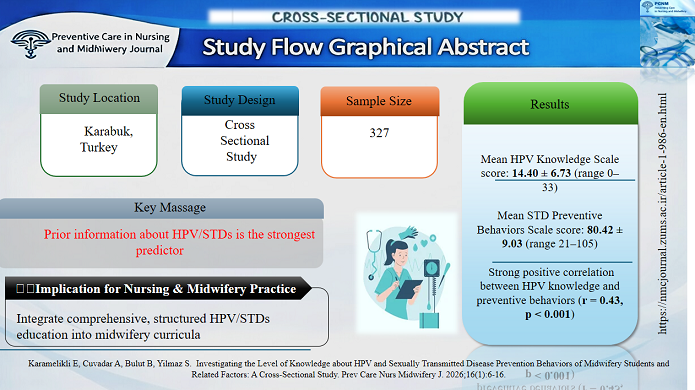
Table 1. Sociodemographic Characteristics and Comparison of STD-SCS and HPV Knowledge Scale Scores (N = 327)
Note. STD-SCS = Scale of Behaviors for Protection from Sexually Transmitted Diseases (range: 21-105); HPV Knowledge Scale range: 0-33. Data are presented as Mean (Standard Error) for consistency with original table formatting. For t-tests, degrees of freedom are shown in parentheses. For ANOVA, degrees of freedom are shown as (between groups, within groups). p < 0.05. ** p < 0.01. *** p < 0.001.
Among all demographic variables examined, prior receipt of information about STDs and HPV emerged as the strongest correlation of both outcomes. Students who reported having prior information about STDs had significantly higher mean HPV knowledge scores (15.60 vs. 8.68, p < 0.001) and STD preventive behavior scores (82.03 vs. 72.77, p < 0.001) compared to those without such information. Similarly, students with prior HPV information demonstrated markedly higher HPV knowledge (15.78 vs. 8.10, p < 0.001) and preventive behavior scores (82.11 vs. 72.73, p < 0.001).
The magnitude of these differences, approximately twofold for knowledge scores and nearly 10 points for behavior scores, was substantially larger than differences observed for other demographic variables such as grade level or place of residence. Figure 1 illustrates the Pearson correlation analyses examining the relationships among age, STD-SCS scores, and HPV Knowledge Scale scores. The correlation between age and STD-SCS scores was negligible (r = −0.016, p = 0.077), indicating no meaningful association. A moderate positive correlation was observed between HPV Knowledge Scale scores and STD-SCS scores (r = 0.43, p < 0.001), indicating that greater HPV knowledge is associated with increased protective behaviors against STDs.
The correlation between age and HPV Knowledge Scale scores revealed a weak yet positive relationship (r = 0.17, p < 0.01), indicating a slight increase in HPV knowledge with increasing age.
.PNG)
The demographic characteristics of the participants, along with the distribution of STD-SCS and HPV Knowledge Scale scores according to these characteristics, are presented in Table 1. In bivariate analysis, significant differences were observed in STD-SCS scores by place of residence and in HPV knowledge scores by academic grade. However, as these findings are based on univariate tests that do not control for potential confounders, they should be interpreted with caution. With respect to grade level, fourth-year students had the highest mean STD-SCS score (81.76, SE = 1.09) and HPV Knowledge Scale score (18.21, SE = 0.90). Differences across grade levels were not statistically significant for STD-SCS scores (F = 2.18, p = 0.090) but were statistically significant for HPV Knowledge Scale scores (F = 15.82, p < 0.001). Post hoc Tukey HSD analysis revealed significant differences in HPV Knowledge Scale scores across grade levels [Table 2]. Fourth-year students had significantly higher HPV Knowledge Scale scores than first- and second-year students (p < 0.001). Second-year students also had significantly lower scores than fourth-year students (p < 0.001).
Table 2. Post Hoc Comparisons (Tukey HSD) for HPV Knowledge and STD-SCS Scores
Note. HPV Knowledge Scale scores range from 0-33; STD-SCS (Scale of Behaviors for Protection from Sexually Transmitted Diseases) scores range from 21-105. CI = confidence interval; SE = standard error. Post hoc comparisons were conducted only for variables with significant overall ANOVA results: HPV knowledge by grade (F = 15.82, p < 0.001) and STD-SCS by residence (F = 3.23, p = 0.022).
No statistically significant differences were observed between second- and third-year students, or between third- and fourth-year students (p > 0.05).
Regarding place of residence, students living in dormitories had significantly higher mean STD-SCS scores than those living alone, with family, or with friends (F = 3.23, p = 0.022). However, no statistically significant differences in HPV Knowledge Scale scores were observed by place of residence (F = 1.24, p = 0.294). Post hoc Tukey HSD analysis indicated a statistically significant difference in STD-SCS scores according to place of residence [Table 2].
Students living in dormitories had significantly higher STD-SCS scores compared to those living at home with friends (p = 0.015). No other pairwise comparisons reached statistical significance. Significant differences were observed according to nationality, with Turkish students demonstrating higher mean STD-SCS (82.34, SE = 0.50) and HPV Knowledge Scale scores (15.26, SE = 0.42) compared to non-Turkish students (STD-SCS: 78.28, SE = 1.10; HPV Knowledge: 11.65, SE = 0.67; both p < 0.001). No statistically significant differences were found in STD-SCS or HPV Knowledge Scale scores based on marital status, smoking status, or alcohol use status (all p > 0.05). Multiple linear regression analysis was conducted to assess the association between participants' age and HPV Knowledge Scale scores with STD-SCS scores. As presented in Table 3, age showed a negative but not statistically significant association with STD-SCS scores (B = −0.33, p = 0.075). In contrast, HPV Knowledge Scale scores were positively and significantly associated with STD-SCS scores (B = 0.60, p < 0.001). The overall model was statistically significant (F = 38.32, p < 0.001) and explained 19.1% of the variance in STD-SCS scores (R² = 0.191). A second multiple linear regression analysis examined the associations between participants' age, STD-SCS scores, and HPV Knowledge Scale scores. As shown in Table 4, age demonstrated a positive, statistically significant association with HPV knowledge scores (B = 0.47, p < 0.001), indicating that HPV knowledge increased slightly with increasing age. Additionally, higher STD-SCS scores were strongly and positively associated with higher HPV knowledge scores (B = 0.32, p < 0.001). The overall model was statistically significant (F = 44.07, p < 0.001) and explained 21.4% of the variance in HPV knowledge scores (R² = 0.214).
Table 3. Multiple Linear Regression Analysis Predicting STD-SCS Scores from Age and HPV Knowledge
Note. STD-SCS = Scale of Behaviors for Protection from Sexually Transmitted Diseases; B = unstandardized coefficient; CI = confidence interval; SE B = standard error of B; β = standardized coefficient. Model fit: F (2, 324) = 38.32, p < 0.001, R² = .19, Adjusted R² = .19.
Table 4. Multiple Linear Regression Analysis Predicting HPV Knowledge Scores from Age and STD-SCS
Note. STD-SCS = Scale of Behaviors for Protection from Sexually Transmitted Diseases; B = unstandardized coefficient; CI = confidence interval; SE B = standard error of B; β = standardized coefficient. Model fit: F(2, 324) = 44.07, p < 0.001, R² = 0.21, Adjusted R² = 0.21.
Discussion
Young people, particularly university students, represent a high-risk group for sexually transmitted diseases due to a combination of developmental, behavioral, and social factors. These include increasing independence from family, peer influence, early initiation of sexual activity, substance use, and practices such as tattooing [23]. Such transitions place university students at the center of sexual health education and preventive efforts [24].
In the present study, bivariate analyses revealed that STD preventive behaviors differed significantly according to place of residence, with students living in dormitories demonstrating higher scores compared to those living with friends. This may be attributed to increased peer interaction and easier access to university-based health information in more structured social environments [2]. However, this association did not remain significant after controlling for other variables in multivariate analysis, suggesting that residence may be a proxy for other factors such as access to information or peer networks.
A particularly noteworthy finding of this study is the strong association between prior receipt of STD/HPV information and both knowledge levels and preventive behaviors. Students who reported having received information about STDs or HPV demonstrated nearly twice the knowledge scores and significantly higher preventive behavior scores compared to their uninformed counterparts. This finding aligns with previous research demonstrating that structured sexual health education can substantially improve both awareness and practices related to STDs [16,18]. Importantly, the magnitude of this association exceeded that of other demographic factors such as grade level or age, suggesting that access to information may be more critical than mere academic progression in shaping HPV-related outcomes. This directly supports the paper's central argument for integrating comprehensive, standardized HPV education into midwifery curricula. While knowledge naturally accumulates through years of study, as evidenced by the grade-level differences observed, targeted information provision appears to have a more powerful and immediate impact. These findings imply that, rather than relying on gradual knowledge acquisition through general curriculum exposure, deliberate, structured educational interventions should be prioritized to equip midwifery students with the knowledge and skills necessary for their future roles as health educators and counselors.
Regarding academic progression, HPV knowledge levels increased significantly with higher academic grade, with fourth-year students demonstrating the highest knowledge scores. However, differences in protective behaviors across grade levels did not reach statistical significance. This indicates that while academic advancement contributes to improved knowledge, it does not necessarily translate into proportional changes in preventive behaviors. Similar mixed findings have been reported in the literature, with some studies observing improvements in knowledge but not behaviors across academic years, particularly where sexual health education is not systematically integrated into curricula [24-29]. These inconsistencies highlight that curriculum content and pedagogical approaches may be more influential than academic seniority alone.
Turkish students had significantly higher HPV knowledge and preventive behavior scores than international students, even after controlling for other demographic variables. Although the study was conducted in Karabük, many participants originated from different regions of Türkiye or were international students. Language barriers, cultural differences, and unequal access to sexual health education may partially explain these differences [18, 30]. This finding underscores the need for targeted interventions for international students who may have limited prior exposure to sexual health education in their home countries.
In this study, HPV awareness was reported by 89.6% of participants, which is notably higher than the 60% awareness rate reported among health faculty students in Saudi Arabia [30]. This difference may be attributed to variations in cultural openness regarding sexual health topics, curricular emphasis on reproductive health, and access to structured HPV-related education. Compared to more conservative educational contexts, midwifery curricula in Turkey may provide more frequent exposure to reproductive health content, which could partially explain the higher awareness observed in this study. However, despite this relatively high awareness, HPV knowledge levels were not uniformly high, with mean scores reaching only 14.4 out of a possible 33. When contrasted with the general university student population in Turkey, these findings underscore the impact of health professional training. Demir et al. reported substantially lower HPV knowledge scores among non-health science university students, indicating that formal education in health-related disciplines plays a critical role in improving awareness and knowledge [21]. Nevertheless, the persistence of knowledge gaps even among health professional students suggests that current training may be insufficiently comprehensive or standardized.
Age showed a weak but significant association with HPV knowledge, suggesting that cumulative educational exposure and life experiences contribute to increased awareness [18, 19]. However, it was not a significant independent predictor of protective behaviors in multivariate analysis, indicating that access to accurate information and structured education may play a more decisive role than age itself. Moreover, younger individuals may increasingly rely on digital media and peer networks for sexual health information, potentially reducing age-related disparities [31].
A study in Greece involving nursing and social work students found that sociodemographic characteristics, such as age, marital status, and field of study, were associated with students' HPV knowledge [32]. Similarly, research conducted among health faculty students at the University of Saud in Saudi Arabia revealed that only 60% of students possessed HPV awareness, with higher awareness among women and older age groups, and students who had received Hepatitis B vaccination showed greater HPV awareness than those who had not [30]. These international comparisons highlight the variability in HPV knowledge across different cultural and educational contexts.
One of the key findings of the present study is the strong, statistically significant association between HPV knowledge and protective behaviors against STDs. Regression analysis confirmed that HPV knowledge was an independent predictor of STD preventive behaviors, with students demonstrating higher HPV knowledge scores engaging more frequently in protective behaviors. This finding is consistent with prior research among university and health sciences students [18, 24] and supports the notion that knowledge is an essential component of behavior formation. At the same time, previous studies have emphasized that knowledge alone does not always result in behavioral change, particularly in the absence of structured education or supportive social environments [29]. The relatively strong association observed in the present study may be attributed to participants' health-related educational backgrounds, which facilitate the translation of knowledge into practice.
Although a large proportion of students reported prior knowledge of STDs, the existing literature suggests that self-perceived knowledge may not accurately reflect actual knowledge levels. For example, Karahan et al. reported that while many health sciences students believed they were knowledgeable about STDs, objective assessments revealed significant knowledge gaps, particularly regarding HPV transmission and prevention [32]. These findings underscore the importance of standardized, evidence-based sexual health education rather than relying on informal or self-directed learning.
In Turkey, HPV knowledge levels, vaccine awareness, and vaccination uptake remain below optimal levels despite the increasing global emphasis on HPV prevention. Consistent with previous research, students in medical and health sciences faculties demonstrate higher HPV knowledge levels and more positive attitudes toward HPV vaccination than students from other disciplines [18, 32]. A recent study among nursing and midwifery students similarly emphasized that improving STI-related knowledge among health students is essential for promoting public health awareness and preventive behaviors [33]. The findings of the present study reinforce the importance of strengthening HPV-related education among health professional students, who are expected to serve as future educators and role models in promoting public awareness and preventive behaviors. This study has some limitations. Its cross-sectional design limits causal interpretation, and the single-center sample of midwifery students may restrict generalizability. In addition, the use of self-reported data may introduce response bias. Furthermore, the bivariate analyses examining demographic associations did not control for all potential confounders, and although multivariate regression was conducted for key continuous variables, future studies with more comprehensive multivariate designs are needed to confirm independent predictors of HPV knowledge and preventive behaviors.
Conclusion
This study found that among midwifery students, prior receipt of STD and HPV information was the strongest correlation of both higher knowledge and better preventive behaviors, with informed students demonstrating nearly twofold higher knowledge scores. This finding directly supports integrating structured HPV education into midwifery curricula. While grade level and nationality were also independently associated with knowledge, and a significant correlation was observed between knowledge and preventive behaviors, the strong effect of prior information suggests that targeted educational interventions may have a greater impact than passive knowledge accumulation through academic progression alone. Notably, preventive behaviors did not improve across grade levels despite gains in knowledge, indicating that knowledge alone is insufficient. These results highlight the need for deliberate, skills-based sexual health education rather than assuming knowledge will naturally develop through curriculum exposure. Targeted interventions for international students and increased awareness activities on digital platforms are recommended. Longitudinal and interventional studies are needed to establish causality and evaluate educational effectiveness.
Ethical Considerations
This research study was conducted in accordance with the principles of the Declaration of Helsinki. Ethical approval was obtained from the Karabük University Non-Interventional Clinical Research Ethics Committee (Decision No. 2023/1568, Date: December 7 2023). Permission to use the STD-SCS and HPV Knowledge Scale was obtained from the authors. Written informed consent was obtained from all participants before the commencement of the study.
Acknowledgements
The authors would like to thank all midwifery students who volunteered to participate in this research study. This study was conducted as part of an academic research project.
Conflict of Interest
The authors declare that there is no conflict of interest regarding the conduct, authorship, or publication of this study.
Funding
This research received no specific grant from any funding agency, commercial entity, or not-for-profit organization.
Authors' Contributions
Conceptualization: E. Karamelikli, A. Cuvadar
Methodology: E. Karamelikli, A. Cuvadar
Investigation (Data Collection): E. Karamelikli, B. Bulut, S.N. Yılmaz
Formal Analysis (Data Analysis): E. Karamelikli
Writing – Original Draft: E. Karamelikli, A. Cuvadar
Writing – Review & Editing: E. Karamelikli, A. Cuvadar, B. Bulut, S.N. Yılmaz
All authors read and approved the final manuscript.
Artificial Intelligence Utilization
The AI-based language model ChatGPT-4o (OpenAI) was used solely for language editing, grammar correction, and fluency improvement. The scientific content, study design, data collection, data analysis, and interpretation of results were entirely performed by the authors. The AI tool played no role in generating content, scientific reasoning, or conclusions.
Data Availability Statement
The datasets generated and/or analyzed during the current study are available from the corresponding author upon reasonable request.
Knowledge Translation Statement
Audience: Nursing managers and hospital administrators
Higher HPV knowledge correlates with better preventive behaviors among midwifery students, yet knowledge increases with grade while behaviors do not improve. Prior structured information was the strongest predictor of both outcomes. Managers should integrate skills-based HPV education into curricula through practical training and targeted interventions for international students, bridging the knowledge-behavior gap to prepare competent future midwives.
Full-Text: (135 Views)
Introduction
Sexually transmitted diseases (STDs), including human papillomavirus (HPV), constitute a significant public health challenge, particularly among adolescents and young adults, owing to behaviors such as early sexual debut, multiple partners, and inconsistent condom use. Preventive measures, encompassing condom use, delayed sexual initiation, partner reduction, access to accurate information, and vaccination, play a crucial role in mitigating STD transmission and associated morbidity. Despite these strategies, awareness and adoption remain inadequate in many populations [1-3]. HPV is the most common STD globally and emerges predominantly during adolescence, like other STDs, with peak prevalence in young adults aged 15–25 years [4]. Persistent infection with high-risk HPV types is the primary cause of cervical cancer, the fourth most common cancer among women worldwide. Notably, HPV-16 and HPV-18 account for approximately 70% of cervical cancer cases, while the nine-valent vaccine targets types responsible for about 90% of cases [5-9]. HPV infection shows a bimodal age distribution, with the first peak among young women aged 15–24 years and a second peak among women aged 40 years and older [10]. The second peak in middle-aged women is primarily attributed to cumulative lifetime sexual exposure and the possible reactivation of latent infections, while naturally acquired immunity offers limited protection against reinfection [11].
In 2022, an estimated 662,000 new cases and 349,000 deaths from cervical cancer were reported globally, underscoring the persistent burden despite preventability [12]. High-risk types also contribute to other anogenital and oropharyngeal malignancies, whereas low-risk types, such as HPV-6 and HPV-11, are associated with genital warts. Transmission occurs mainly through sexual contact, and although natural immunity offers partial protection, reinfection is possible [4-7].
As there is no curative treatment for HPV infection, prevention strategies are of critical importance. Primary prevention through HPV vaccination is highly effective and recommended from age 9–12 years, with catch-up vaccination advised up to age 26 years [13].
However, global HPV vaccination coverage remains suboptimal. Only 5% of girls worldwide were fully vaccinated as of 2015, and international coverage reached just 12.2% in 2018. Higher coverage has been reported in only a few low- and middle-income countries through external funding, and HPV-related mortality continues to affect these regions disproportionately [14, 15].
Although awareness of HPV and its vaccine is generally higher among health sciences students than in the general population, studies reveal suboptimal knowledge levels and vaccination uptake, particularly among nursing and midwifery students compared to medical students [16].
Health sciences students, including those in midwifery, thus represent a priority group for targeted interventions. As young adults, they remain personally vulnerable to HPV acquisition due to age-related patterns of sexual activity. Concurrently, in their future professional roles, they will play a crucial role in promoting STD prevention, counseling patients on HPV vaccination, and disseminating accurate health information to communities [16-19].
Prior research consistently identifies persistent knowledge deficits and inadequate preventive behaviors in this population, underscoring curricular gaps and the necessity for evidence-based educational strategies to enhance both personal practices and public health outcomes.
As an initial exploratory study, this research aims to identify potential demographic correlates of HPV knowledge and preventive behaviors among midwifery students, providing foundational data for future hypothesis-driven research with more rigorous analytical approaches [20-22].
Objectives
This study aimed to assess HPV knowledge levels and sexually transmitted disease preventive behaviors among midwifery students and to identify associated factors and knowledge gaps to inform future educational and preventive strategies.
Methods
Study Design and Setting
This cross-sectional study was conducted between January 1 and March 1, 2024, at the Department of Midwifery, Faculty of Health Sciences, Karabük University, Turkey.
Participants
The study population comprised all students registered in the Midwifery Department, Faculty of Health Sciences, Karabük University, during the 2023-2024 academic year (N=415). Due to absenteeism on data collection days and voluntary participation, a total of 327 students were enrolled, representing a response rate of 78.8%. This convenience sample constitutes the study sample. Inclusion criteria were: (1) being a registered student in the midwifery department, (2) agreeing to participate voluntarily, and (3) completing the questionnaires in full. No exclusion criteria were applied other than incomplete questionnaires.
Data Collection Instruments (Concise Version)
Data were collected using a structured questionnaire comprising three sections and 64 items.
The first section included sociodemographic and health-related characteristics (10 items): age, academic grade, nationality, place of residence, marital status, smoking status, alcohol use, prior knowledge of STDs, prior knowledge of HPV, and HPV awareness.
The second section comprised the HPV Knowledge Scale, developed by Waller et al [20] and validated in Turkish by Demir et al. The scale consists of 33 items across four subdimensions: HPV general knowledge (8 items), transmission and consequences (12 items), vaccination (8 items), and treatment and screening (5 items). Items are scored as 1 for correct answers and 0 for incorrect or "I don't know" responses, yielding a total score range of 0-33, with higher scores indicating greater knowledge [21]. Cronbach's alpha in this study was 0.89.
The third section included the Scale of Behaviors for Protection from Sexually Transmitted Diseases (STD-SCS), developed by Kılavuz et al. The scale comprises 21 items across three subdimensions: protective behaviors (9 items), risk avoidance (7 items), and health-seeking behaviors (5 items). Items are rated on a five-point Likert scale (1-5), with total scores ranging from 21 to 105. Higher scores reflect more positive preventive behaviors [22]. Cronbach's alpha in this study was 0.80.
Statistical Analysis
Data analysis was performed using the R statistical software package (version 4.3.3). Descriptive statistics, including frequencies, percentages, means, and standard deviations, were used to summarize participants' sociodemographic characteristics and scale scores. The normality of quantitative variables was assessed using the Shapiro–Wilk test, which confirmed parametric assumptions (p > 0.05).
Bivariate analyses included independent-samples t-tests for binary variables and one-way analysis of variance (ANOVA) with Tukey's Honestly Significant Difference (HSD) post hoc tests for categorical variables with more than two levels, to examine associations between demographic factors and outcome measures. Pearson's correlation coefficients were calculated to assess relationships between continuous variables, including age, HPV Knowledge Scale scores, and STD-SCS scores.
Two multiple linear regression analyses were conducted. The first model evaluated the independent effects of age and HPV Knowledge Scale scores on STD-SCS scores. The second model assessed the impact of age and STD-SCS scores on HPV Knowledge Scale scores. All statistical tests were two-tailed, with p < 0.05 considered statistically significant. Results were reported with 95% confidence intervals. Missing data were minimal and handled using appropriate functions within the R software environment.
Results
A total of 327 midwifery students participated in the study. All participants were female, and the majority were single (97.86%). The mean age of the students was 21.12 (2.49) years.
The mean total score of the HPV Knowledge Scale was 14.40 (6.73) (possible range: 0–33), while the mean total score of the STD-SCS was 80.42 (9.03) (possible range: 21–105). Most of the students reported being informed about STDs (82.57%), having received information about HPV (81.96%), and being aware of HPV (89.60%). Students who reported having information about STDs or HPV, as well as those who were aware of HPV, had significantly higher mean STD-SCS and HPV Knowledge Scale scores compared to those without such information (all p < 0.001).
Sexually transmitted diseases (STDs), including human papillomavirus (HPV), constitute a significant public health challenge, particularly among adolescents and young adults, owing to behaviors such as early sexual debut, multiple partners, and inconsistent condom use. Preventive measures, encompassing condom use, delayed sexual initiation, partner reduction, access to accurate information, and vaccination, play a crucial role in mitigating STD transmission and associated morbidity. Despite these strategies, awareness and adoption remain inadequate in many populations [1-3]. HPV is the most common STD globally and emerges predominantly during adolescence, like other STDs, with peak prevalence in young adults aged 15–25 years [4]. Persistent infection with high-risk HPV types is the primary cause of cervical cancer, the fourth most common cancer among women worldwide. Notably, HPV-16 and HPV-18 account for approximately 70% of cervical cancer cases, while the nine-valent vaccine targets types responsible for about 90% of cases [5-9]. HPV infection shows a bimodal age distribution, with the first peak among young women aged 15–24 years and a second peak among women aged 40 years and older [10]. The second peak in middle-aged women is primarily attributed to cumulative lifetime sexual exposure and the possible reactivation of latent infections, while naturally acquired immunity offers limited protection against reinfection [11].
In 2022, an estimated 662,000 new cases and 349,000 deaths from cervical cancer were reported globally, underscoring the persistent burden despite preventability [12]. High-risk types also contribute to other anogenital and oropharyngeal malignancies, whereas low-risk types, such as HPV-6 and HPV-11, are associated with genital warts. Transmission occurs mainly through sexual contact, and although natural immunity offers partial protection, reinfection is possible [4-7].
As there is no curative treatment for HPV infection, prevention strategies are of critical importance. Primary prevention through HPV vaccination is highly effective and recommended from age 9–12 years, with catch-up vaccination advised up to age 26 years [13].
However, global HPV vaccination coverage remains suboptimal. Only 5% of girls worldwide were fully vaccinated as of 2015, and international coverage reached just 12.2% in 2018. Higher coverage has been reported in only a few low- and middle-income countries through external funding, and HPV-related mortality continues to affect these regions disproportionately [14, 15].
Although awareness of HPV and its vaccine is generally higher among health sciences students than in the general population, studies reveal suboptimal knowledge levels and vaccination uptake, particularly among nursing and midwifery students compared to medical students [16].
Health sciences students, including those in midwifery, thus represent a priority group for targeted interventions. As young adults, they remain personally vulnerable to HPV acquisition due to age-related patterns of sexual activity. Concurrently, in their future professional roles, they will play a crucial role in promoting STD prevention, counseling patients on HPV vaccination, and disseminating accurate health information to communities [16-19].
Prior research consistently identifies persistent knowledge deficits and inadequate preventive behaviors in this population, underscoring curricular gaps and the necessity for evidence-based educational strategies to enhance both personal practices and public health outcomes.
As an initial exploratory study, this research aims to identify potential demographic correlates of HPV knowledge and preventive behaviors among midwifery students, providing foundational data for future hypothesis-driven research with more rigorous analytical approaches [20-22].
Objectives
This study aimed to assess HPV knowledge levels and sexually transmitted disease preventive behaviors among midwifery students and to identify associated factors and knowledge gaps to inform future educational and preventive strategies.
Methods
Study Design and Setting
This cross-sectional study was conducted between January 1 and March 1, 2024, at the Department of Midwifery, Faculty of Health Sciences, Karabük University, Turkey.
Participants
The study population comprised all students registered in the Midwifery Department, Faculty of Health Sciences, Karabük University, during the 2023-2024 academic year (N=415). Due to absenteeism on data collection days and voluntary participation, a total of 327 students were enrolled, representing a response rate of 78.8%. This convenience sample constitutes the study sample. Inclusion criteria were: (1) being a registered student in the midwifery department, (2) agreeing to participate voluntarily, and (3) completing the questionnaires in full. No exclusion criteria were applied other than incomplete questionnaires.
Data Collection Instruments (Concise Version)
Data were collected using a structured questionnaire comprising three sections and 64 items.
The first section included sociodemographic and health-related characteristics (10 items): age, academic grade, nationality, place of residence, marital status, smoking status, alcohol use, prior knowledge of STDs, prior knowledge of HPV, and HPV awareness.
The second section comprised the HPV Knowledge Scale, developed by Waller et al [20] and validated in Turkish by Demir et al. The scale consists of 33 items across four subdimensions: HPV general knowledge (8 items), transmission and consequences (12 items), vaccination (8 items), and treatment and screening (5 items). Items are scored as 1 for correct answers and 0 for incorrect or "I don't know" responses, yielding a total score range of 0-33, with higher scores indicating greater knowledge [21]. Cronbach's alpha in this study was 0.89.
The third section included the Scale of Behaviors for Protection from Sexually Transmitted Diseases (STD-SCS), developed by Kılavuz et al. The scale comprises 21 items across three subdimensions: protective behaviors (9 items), risk avoidance (7 items), and health-seeking behaviors (5 items). Items are rated on a five-point Likert scale (1-5), with total scores ranging from 21 to 105. Higher scores reflect more positive preventive behaviors [22]. Cronbach's alpha in this study was 0.80.
Statistical Analysis
Data analysis was performed using the R statistical software package (version 4.3.3). Descriptive statistics, including frequencies, percentages, means, and standard deviations, were used to summarize participants' sociodemographic characteristics and scale scores. The normality of quantitative variables was assessed using the Shapiro–Wilk test, which confirmed parametric assumptions (p > 0.05).
Bivariate analyses included independent-samples t-tests for binary variables and one-way analysis of variance (ANOVA) with Tukey's Honestly Significant Difference (HSD) post hoc tests for categorical variables with more than two levels, to examine associations between demographic factors and outcome measures. Pearson's correlation coefficients were calculated to assess relationships between continuous variables, including age, HPV Knowledge Scale scores, and STD-SCS scores.
Two multiple linear regression analyses were conducted. The first model evaluated the independent effects of age and HPV Knowledge Scale scores on STD-SCS scores. The second model assessed the impact of age and STD-SCS scores on HPV Knowledge Scale scores. All statistical tests were two-tailed, with p < 0.05 considered statistically significant. Results were reported with 95% confidence intervals. Missing data were minimal and handled using appropriate functions within the R software environment.
Results
A total of 327 midwifery students participated in the study. All participants were female, and the majority were single (97.86%). The mean age of the students was 21.12 (2.49) years.
The mean total score of the HPV Knowledge Scale was 14.40 (6.73) (possible range: 0–33), while the mean total score of the STD-SCS was 80.42 (9.03) (possible range: 21–105). Most of the students reported being informed about STDs (82.57%), having received information about HPV (81.96%), and being aware of HPV (89.60%). Students who reported having information about STDs or HPV, as well as those who were aware of HPV, had significantly higher mean STD-SCS and HPV Knowledge Scale scores compared to those without such information (all p < 0.001).
Table 1. Sociodemographic Characteristics and Comparison of STD-SCS and HPV Knowledge Scale Scores (N = 327)
| Characteristic | n (%) | STD-SCS | HPV Knowledge | ||
| M (SD) | Test Statistic | M (SD) | Test Statistic | ||
| Grade Level | |||||
| 1st year | 61 (18.7) | 77.87 (1.18) | 10.42 (0.75) | ||
| 2nd year | 119 (36.4) | 80.92 (0.88) | 13.84 (0.59) | ||
| 3rd year | 94 (28.7) | 80.68 (0.87) | 15.53 (0.64) | ||
| 4th year | 53 (16.2) | 81.76 (1.09) | 18.21 (0.90) | ||
| F (3, 323) = 2.18 | F(3, 323) = 15.82*** | ||||
| Place of Residence | |||||
| Home alone | 21 (6.4) | 78.95 (2.38) | 15.29 (1.67) | ||
| With family | 38 (11.6) | 80.42 (1.76) | 15.81 (1.14) | ||
| With friends | 45 (13.8) | 76.87 (1.36) | 13.11 (0.97) | ||
| Dormitory | 223 (68.2) | 81.27 (0.56) | 14.33 (0.44) | ||
| F (3, 323) = 3.23* | F(3, 323) = 1.24 | ||||
| Nationality | |||||
| Turkish | 249 (76.1) | 82.34 (0.50) | 15.26 (0.42) | ||
| Foreign | 78 (23.9) | 78.28 (1.10) | 11.65 (0.67) | ||
| t (325) = 6.68*** | t(325) = 4.55*** | ||||
| Marital Status | |||||
| Married | 7 (2.1) | 80.14 (3.21) | 17.14 (2.14) | ||
| Single | 320 (97.9) | 80.42 (0.51) | 14.34 (0.38) | ||
| t (325) = 0.09 | t(325) = 1.29 | ||||
| Smoking Status | |||||
| Yes | 48 (14.7) | 81.56 (0.99) | 14.19 (1.01) | ||
| No | 279 (85.3) | 80.22 (0.56) | 14.43 (0.40) | ||
| t (325) = 1.17 | t(325) = 0.23 | ||||
| Alcohol Use | |||||
| Yes | 28 (8.6) | 82.61 (1.37) | 16.71 (1.34) | ||
| No | 299 (91.4) | 80.21 (0.53) | 14.18 (0.38) | ||
| t (325) = 1.63 | t(325) = 1.82 | ||||
| Prior STD Information | |||||
| Yes | 270 (82.6) | 82.03 (0.51) | 15.60 (0.39) | ||
| No | 57 (17.4) | 72.77 (1.07) | 8.68 (0.69) | ||
| t (325) = 7.83*** | t(325) = 8.77*** | ||||
| Prior HPV Information | |||||
| Yes | 268 (82.0) | 82.11 (0.51) | 15.78 (0.38) | ||
| No | 59 (18.0) | 72.73 (1.07) | 8.10 (0.63) | ||
| t (325) = 7.93*** | t(325) = 10.37*** | ||||
| HPV Awareness | |||||
| Yes | 293 (89.6) | 81.38 (0.49) | 14.94 (0.38) | ||
| No | 34 (10.4) | 72.12 (1.69) | 9.67 (1.05) | ||
| t(325) = 5.27*** | t(325) = 4.69*** |
Among all demographic variables examined, prior receipt of information about STDs and HPV emerged as the strongest correlation of both outcomes. Students who reported having prior information about STDs had significantly higher mean HPV knowledge scores (15.60 vs. 8.68, p < 0.001) and STD preventive behavior scores (82.03 vs. 72.77, p < 0.001) compared to those without such information. Similarly, students with prior HPV information demonstrated markedly higher HPV knowledge (15.78 vs. 8.10, p < 0.001) and preventive behavior scores (82.11 vs. 72.73, p < 0.001).
The magnitude of these differences, approximately twofold for knowledge scores and nearly 10 points for behavior scores, was substantially larger than differences observed for other demographic variables such as grade level or place of residence. Figure 1 illustrates the Pearson correlation analyses examining the relationships among age, STD-SCS scores, and HPV Knowledge Scale scores. The correlation between age and STD-SCS scores was negligible (r = −0.016, p = 0.077), indicating no meaningful association. A moderate positive correlation was observed between HPV Knowledge Scale scores and STD-SCS scores (r = 0.43, p < 0.001), indicating that greater HPV knowledge is associated with increased protective behaviors against STDs.
The correlation between age and HPV Knowledge Scale scores revealed a weak yet positive relationship (r = 0.17, p < 0.01), indicating a slight increase in HPV knowledge with increasing age.
The demographic characteristics of the participants, along with the distribution of STD-SCS and HPV Knowledge Scale scores according to these characteristics, are presented in Table 1. In bivariate analysis, significant differences were observed in STD-SCS scores by place of residence and in HPV knowledge scores by academic grade. However, as these findings are based on univariate tests that do not control for potential confounders, they should be interpreted with caution. With respect to grade level, fourth-year students had the highest mean STD-SCS score (81.76, SE = 1.09) and HPV Knowledge Scale score (18.21, SE = 0.90). Differences across grade levels were not statistically significant for STD-SCS scores (F = 2.18, p = 0.090) but were statistically significant for HPV Knowledge Scale scores (F = 15.82, p < 0.001). Post hoc Tukey HSD analysis revealed significant differences in HPV Knowledge Scale scores across grade levels [Table 2]. Fourth-year students had significantly higher HPV Knowledge Scale scores than first- and second-year students (p < 0.001). Second-year students also had significantly lower scores than fourth-year students (p < 0.001).
Table 2. Post Hoc Comparisons (Tukey HSD) for HPV Knowledge and STD-SCS Scores
| Comparison | Mean Difference | SE | p | 95% CI |
| HPV Knowledge by Grade Level | ||||
| 1st year vs. 2nd year | −3.41 | 0.99 | 0.004 | [−5.98, −0.85] |
| 1st year vs. 3rd year | −5.11 | 1.04 | < 0.001 | [−7.78, −2.43] |
| 1st year vs. 4th year | −7.78 | 1.18 | < 0.001 | [−10.84, −4.72] |
| 2nd year vs. 3rd year | −1.69 | 0.87 | 0.212 | [−3.94, 0.56] |
| 2nd year vs. 4th year | −4.37 | 1.04 | < 0.001 | [−7.06, −1.68] |
| 3rd year vs. 4th year | −2.68 | 1.08 | 0.067 | [−5.47, 0.12] |
| STD-SCS by Place of Residence | ||||
| Home alone vs. With family | −1.47 | 2.43 | 0.931 | [−7.75, 4.81] |
| Home alone vs. With friends | 2.09 | 2.36 | 0.814 | [−4.01, 8.19] |
| Home alone vs. Dormitory | −2.32 | 2.04 | 0.667 | [−7.59, 2.95] |
| With family vs. With friends | 3.55 | 1.97 | 0.273 | [−1.53, 8.64] |
| With family vs. Dormitory | −0.85 | 1.57 | 0.948 | [−4.90, 3.20] |
| With friends vs. Dormitory | −4.41 | 1.46 | 0.015 | [−8.18, −0.63] |
No statistically significant differences were observed between second- and third-year students, or between third- and fourth-year students (p > 0.05).
Regarding place of residence, students living in dormitories had significantly higher mean STD-SCS scores than those living alone, with family, or with friends (F = 3.23, p = 0.022). However, no statistically significant differences in HPV Knowledge Scale scores were observed by place of residence (F = 1.24, p = 0.294). Post hoc Tukey HSD analysis indicated a statistically significant difference in STD-SCS scores according to place of residence [Table 2].
Students living in dormitories had significantly higher STD-SCS scores compared to those living at home with friends (p = 0.015). No other pairwise comparisons reached statistical significance. Significant differences were observed according to nationality, with Turkish students demonstrating higher mean STD-SCS (82.34, SE = 0.50) and HPV Knowledge Scale scores (15.26, SE = 0.42) compared to non-Turkish students (STD-SCS: 78.28, SE = 1.10; HPV Knowledge: 11.65, SE = 0.67; both p < 0.001). No statistically significant differences were found in STD-SCS or HPV Knowledge Scale scores based on marital status, smoking status, or alcohol use status (all p > 0.05). Multiple linear regression analysis was conducted to assess the association between participants' age and HPV Knowledge Scale scores with STD-SCS scores. As presented in Table 3, age showed a negative but not statistically significant association with STD-SCS scores (B = −0.33, p = 0.075). In contrast, HPV Knowledge Scale scores were positively and significantly associated with STD-SCS scores (B = 0.60, p < 0.001). The overall model was statistically significant (F = 38.32, p < 0.001) and explained 19.1% of the variance in STD-SCS scores (R² = 0.191). A second multiple linear regression analysis examined the associations between participants' age, STD-SCS scores, and HPV Knowledge Scale scores. As shown in Table 4, age demonstrated a positive, statistically significant association with HPV knowledge scores (B = 0.47, p < 0.001), indicating that HPV knowledge increased slightly with increasing age. Additionally, higher STD-SCS scores were strongly and positively associated with higher HPV knowledge scores (B = 0.32, p < 0.001). The overall model was statistically significant (F = 44.07, p < 0.001) and explained 21.4% of the variance in HPV knowledge scores (R² = 0.214).
Table 3. Multiple Linear Regression Analysis Predicting STD-SCS Scores from Age and HPV Knowledge
| Variable | B [95% CI] | SE B | β | t | p |
| (Intercept) | 78.79 [71.20, 86.38] | 3.87 | 20.34 | < 0.001 | |
| Age | −0.33 [−0.69, 0.03] | 0.18 | −0.09 | −1.79 | 0.075 |
| HPV Knowledge | 0.60 [0.46, 0.73] | 0.07 | 0.44 | 8.75 | < 0.001 |
Table 4. Multiple Linear Regression Analysis Predicting HPV Knowledge Scores from Age and STD-SCS
| Variable | B [95% CI] | SE B | β | t | p |
| (Intercept) | −21.40 [−29.48, −13.32] | 4.12 | −5.19 | < 0.001 | |
| Age | 0.47 [0.21, 0.73] | 0.13 | 0.17 | 3.55 | < 0.001 |
| STD-SCS | 0.32 [0.25, 0.39] | 0.04 | 0.43 | 8.75 | < 0.001 |
Discussion
Young people, particularly university students, represent a high-risk group for sexually transmitted diseases due to a combination of developmental, behavioral, and social factors. These include increasing independence from family, peer influence, early initiation of sexual activity, substance use, and practices such as tattooing [23]. Such transitions place university students at the center of sexual health education and preventive efforts [24].
In the present study, bivariate analyses revealed that STD preventive behaviors differed significantly according to place of residence, with students living in dormitories demonstrating higher scores compared to those living with friends. This may be attributed to increased peer interaction and easier access to university-based health information in more structured social environments [2]. However, this association did not remain significant after controlling for other variables in multivariate analysis, suggesting that residence may be a proxy for other factors such as access to information or peer networks.
A particularly noteworthy finding of this study is the strong association between prior receipt of STD/HPV information and both knowledge levels and preventive behaviors. Students who reported having received information about STDs or HPV demonstrated nearly twice the knowledge scores and significantly higher preventive behavior scores compared to their uninformed counterparts. This finding aligns with previous research demonstrating that structured sexual health education can substantially improve both awareness and practices related to STDs [16,18]. Importantly, the magnitude of this association exceeded that of other demographic factors such as grade level or age, suggesting that access to information may be more critical than mere academic progression in shaping HPV-related outcomes. This directly supports the paper's central argument for integrating comprehensive, standardized HPV education into midwifery curricula. While knowledge naturally accumulates through years of study, as evidenced by the grade-level differences observed, targeted information provision appears to have a more powerful and immediate impact. These findings imply that, rather than relying on gradual knowledge acquisition through general curriculum exposure, deliberate, structured educational interventions should be prioritized to equip midwifery students with the knowledge and skills necessary for their future roles as health educators and counselors.
Regarding academic progression, HPV knowledge levels increased significantly with higher academic grade, with fourth-year students demonstrating the highest knowledge scores. However, differences in protective behaviors across grade levels did not reach statistical significance. This indicates that while academic advancement contributes to improved knowledge, it does not necessarily translate into proportional changes in preventive behaviors. Similar mixed findings have been reported in the literature, with some studies observing improvements in knowledge but not behaviors across academic years, particularly where sexual health education is not systematically integrated into curricula [24-29]. These inconsistencies highlight that curriculum content and pedagogical approaches may be more influential than academic seniority alone.
Turkish students had significantly higher HPV knowledge and preventive behavior scores than international students, even after controlling for other demographic variables. Although the study was conducted in Karabük, many participants originated from different regions of Türkiye or were international students. Language barriers, cultural differences, and unequal access to sexual health education may partially explain these differences [18, 30]. This finding underscores the need for targeted interventions for international students who may have limited prior exposure to sexual health education in their home countries.
In this study, HPV awareness was reported by 89.6% of participants, which is notably higher than the 60% awareness rate reported among health faculty students in Saudi Arabia [30]. This difference may be attributed to variations in cultural openness regarding sexual health topics, curricular emphasis on reproductive health, and access to structured HPV-related education. Compared to more conservative educational contexts, midwifery curricula in Turkey may provide more frequent exposure to reproductive health content, which could partially explain the higher awareness observed in this study. However, despite this relatively high awareness, HPV knowledge levels were not uniformly high, with mean scores reaching only 14.4 out of a possible 33. When contrasted with the general university student population in Turkey, these findings underscore the impact of health professional training. Demir et al. reported substantially lower HPV knowledge scores among non-health science university students, indicating that formal education in health-related disciplines plays a critical role in improving awareness and knowledge [21]. Nevertheless, the persistence of knowledge gaps even among health professional students suggests that current training may be insufficiently comprehensive or standardized.
Age showed a weak but significant association with HPV knowledge, suggesting that cumulative educational exposure and life experiences contribute to increased awareness [18, 19]. However, it was not a significant independent predictor of protective behaviors in multivariate analysis, indicating that access to accurate information and structured education may play a more decisive role than age itself. Moreover, younger individuals may increasingly rely on digital media and peer networks for sexual health information, potentially reducing age-related disparities [31].
A study in Greece involving nursing and social work students found that sociodemographic characteristics, such as age, marital status, and field of study, were associated with students' HPV knowledge [32]. Similarly, research conducted among health faculty students at the University of Saud in Saudi Arabia revealed that only 60% of students possessed HPV awareness, with higher awareness among women and older age groups, and students who had received Hepatitis B vaccination showed greater HPV awareness than those who had not [30]. These international comparisons highlight the variability in HPV knowledge across different cultural and educational contexts.
One of the key findings of the present study is the strong, statistically significant association between HPV knowledge and protective behaviors against STDs. Regression analysis confirmed that HPV knowledge was an independent predictor of STD preventive behaviors, with students demonstrating higher HPV knowledge scores engaging more frequently in protective behaviors. This finding is consistent with prior research among university and health sciences students [18, 24] and supports the notion that knowledge is an essential component of behavior formation. At the same time, previous studies have emphasized that knowledge alone does not always result in behavioral change, particularly in the absence of structured education or supportive social environments [29]. The relatively strong association observed in the present study may be attributed to participants' health-related educational backgrounds, which facilitate the translation of knowledge into practice.
Although a large proportion of students reported prior knowledge of STDs, the existing literature suggests that self-perceived knowledge may not accurately reflect actual knowledge levels. For example, Karahan et al. reported that while many health sciences students believed they were knowledgeable about STDs, objective assessments revealed significant knowledge gaps, particularly regarding HPV transmission and prevention [32]. These findings underscore the importance of standardized, evidence-based sexual health education rather than relying on informal or self-directed learning.
In Turkey, HPV knowledge levels, vaccine awareness, and vaccination uptake remain below optimal levels despite the increasing global emphasis on HPV prevention. Consistent with previous research, students in medical and health sciences faculties demonstrate higher HPV knowledge levels and more positive attitudes toward HPV vaccination than students from other disciplines [18, 32]. A recent study among nursing and midwifery students similarly emphasized that improving STI-related knowledge among health students is essential for promoting public health awareness and preventive behaviors [33]. The findings of the present study reinforce the importance of strengthening HPV-related education among health professional students, who are expected to serve as future educators and role models in promoting public awareness and preventive behaviors. This study has some limitations. Its cross-sectional design limits causal interpretation, and the single-center sample of midwifery students may restrict generalizability. In addition, the use of self-reported data may introduce response bias. Furthermore, the bivariate analyses examining demographic associations did not control for all potential confounders, and although multivariate regression was conducted for key continuous variables, future studies with more comprehensive multivariate designs are needed to confirm independent predictors of HPV knowledge and preventive behaviors.
Conclusion
This study found that among midwifery students, prior receipt of STD and HPV information was the strongest correlation of both higher knowledge and better preventive behaviors, with informed students demonstrating nearly twofold higher knowledge scores. This finding directly supports integrating structured HPV education into midwifery curricula. While grade level and nationality were also independently associated with knowledge, and a significant correlation was observed between knowledge and preventive behaviors, the strong effect of prior information suggests that targeted educational interventions may have a greater impact than passive knowledge accumulation through academic progression alone. Notably, preventive behaviors did not improve across grade levels despite gains in knowledge, indicating that knowledge alone is insufficient. These results highlight the need for deliberate, skills-based sexual health education rather than assuming knowledge will naturally develop through curriculum exposure. Targeted interventions for international students and increased awareness activities on digital platforms are recommended. Longitudinal and interventional studies are needed to establish causality and evaluate educational effectiveness.
Ethical Considerations
This research study was conducted in accordance with the principles of the Declaration of Helsinki. Ethical approval was obtained from the Karabük University Non-Interventional Clinical Research Ethics Committee (Decision No. 2023/1568, Date: December 7 2023). Permission to use the STD-SCS and HPV Knowledge Scale was obtained from the authors. Written informed consent was obtained from all participants before the commencement of the study.
Acknowledgements
The authors would like to thank all midwifery students who volunteered to participate in this research study. This study was conducted as part of an academic research project.
Conflict of Interest
The authors declare that there is no conflict of interest regarding the conduct, authorship, or publication of this study.
Funding
This research received no specific grant from any funding agency, commercial entity, or not-for-profit organization.
Authors' Contributions
Conceptualization: E. Karamelikli, A. Cuvadar
Methodology: E. Karamelikli, A. Cuvadar
Investigation (Data Collection): E. Karamelikli, B. Bulut, S.N. Yılmaz
Formal Analysis (Data Analysis): E. Karamelikli
Writing – Original Draft: E. Karamelikli, A. Cuvadar
Writing – Review & Editing: E. Karamelikli, A. Cuvadar, B. Bulut, S.N. Yılmaz
All authors read and approved the final manuscript.
Artificial Intelligence Utilization
The AI-based language model ChatGPT-4o (OpenAI) was used solely for language editing, grammar correction, and fluency improvement. The scientific content, study design, data collection, data analysis, and interpretation of results were entirely performed by the authors. The AI tool played no role in generating content, scientific reasoning, or conclusions.
Data Availability Statement
The datasets generated and/or analyzed during the current study are available from the corresponding author upon reasonable request.
Type of Study: Orginal research |
Subject:
Midwifery
References
1. Landray I, Carpenter J, Berendes S, Palmer M, Free C. Factors associated with sexually transmitted reinfections, number of sexual partners and condom use among previously infected young people. International Journal of STD & AIDS. 2025; 36:808-815. [https://doi.org/10.1177/09564624251348693] [PMID]
2. De Wit J, Adam P, Daas D, Jonas K. Sexually transmitted infection prevention behaviours: health impact, prevalence, correlates, and interventions. Psychology & Health. 2023; 38:675-700. [https://doi.org/10.1080/08870446.2022.2090560] [PMID]
3. Neves M, Maldonado B, Golin G, Mansano I, Avanzi I, Simões L, et al. Sexually transmitted infections among young adults: an analysis of risk behaviors and preventive practices. Contribuciones a las Ciencias Sociales. 2025; 18 (2): 1-21. [https://doi.org/10.55905/revconv.18n.2-134]
4. Çeşmeci, Y., Köylü, B., Sulaiman, J., Sancak, E., Şenel, S., Baki, H. E., & Kışlal, M. (2015). HPV infections and HPV vaccine through the eyes of interns. Turkish Journal of Obstetrics and Gynecology ، 12(3)، 85-92. [https://doi.org/10.4274/tjod.61623]
5. Shapiro GK. HPV vaccination: an underused strategy for the prevention of cancer. Current Oncology. 2022;29(5):3780-3792. [https://doi.org/10.3390/curroncol29050303] [PMID]
6. Turki Jalil, A., & Karevskiy, A. The Cervical Cancer (CC) Epidemiology and Human Papillomavirus (HPV) in the Middle East. International Journal of Environment, Engineering and Education. 2020; 2 (2): 7-12. [https://doi.org/10.55151/ijeedu.v2i2.29]
7. Shamseddine AA, Burman B, Lee NY, Zamarin D, Riaz N. Tumor immunity and immunotherapy for HPV-related cancers. Cancer Discovery. 2021;11(8):1896-1912. [https://doi.org/10.1158/2159-8290.CD-20-1760] [PMID]
8. Centers for Disease Control and Prevention. Basic information about HPV and cancer. 2025 [accessed 2025 Feb 9]. [https://www.cdc.gov/cancer/hpv/basic-information.html]
9. World Health Organization. Human papillomavirus vaccines: WHO position paper (2022 update). Weekly Epidemiological Record. 2022; 97:645-672. [https://iris.who.int/server/api/core/bitstreams/d63ca5e2-a966-41a8-9fc2-c4e2ff4efc14/content]
10. Xu J, Abudurusuli G, Rui J, Li Z, Zhao Z, Xia Y, et al. Epidemiological characteristics and transmissibility of HPV infection: a long-term retrospective study in China. Epidemics. 2023; 44:1-9. [https://doi.org/10.1016/j.epidem.2023.100707] [PMID]
11. Trottier H, Ferreira S, Thomann P, Costa M, Sobrinho J, Prado J, et al. Human papillomavirus infection and reinfection in adult women: the role of sexual activity and natural immunity. Cancer Research. 2010;70(21):8569-8577. [https://doi.org/10.1158/0008-5472.CAN-10-0621] [PMID]
12. Ferlay J, Ervik M, Lam F, et al. Global cancer observatory: cancer today. Lyon: International Agency for Research on Cancer; 2024 [accessed 2026 Jan 7]. [https://gco.iarc.who.int/today]
13. Centers for Disease Control and Prevention. HPV vaccination recommendations. 2025 [accessed 2025 Feb 9]. [https://www.cdc.gov/vaccines/vpd/hpv/hcp/recommendations.html]
14. World Health Organization. Scaling up HPV vaccine introduction. 2016 [accessed 2025 Nov 10]. [https://www.who.int/publications/i/item/scaling-up-hpv-vaccine-introduction]
15. Spayne J, Hesketh T. Estimate of global human papillomavirus vaccination coverage: analysis of country-level indicators. BMJ Open. 2021;11 (9): 1-9. [https://doi.org/10.1136/bmjopen-2021-052016] [PMID]
16. İşgüder, Ç. K., Oktay, G., Doğru, H. Y., Delibaş, İ., Özsoy, A. Z., Çeltek, N. Y., & Okan, İ. Evaluation of HPV vaccine knowledge level of health school students. Journal of Contemporary Medicine. 2017; 7 (1): 1-7. [https://doi.org/10.16899/gopctd.302511]
17. Başli M, Aksu H, Toptaş B. Knowledge and opinions of health school students about HPV and HPV vaccine. Ankara Journal of Health Sciences. 2019;8(1):1-17. [https://dergipark.org.tr/en/pub/ankara-j-health-sci/issue/46362/508775]
18. Çınar İO, Tuncer İ, Aslan GK, Alataş E. Knowledge and attitudes of university students toward HPV infection and vaccine prevention in Turkey. Asia-Pacific Journal of Oncology Nursing. 2019;6(3):300-307. [https://doi.org/10.4103/apjon.apjon_10_19] [PMID]
19. Shakurnia, A., Ghadiri, A., Javadzade, N., & Hamidi, M. Awareness and knowledge of medical, nursing and midwifery students about HPV infection and its vaccine. Preventive Care in Nursing and Midwifery Journal. 2022; 12 (4): 54-63. [https://doi.org/10.52547/pcnm.12.4.54]
20. Waller J, Ostini R, Marlow LAV, McCaffery K, Zimet G. Validation of a measure of knowledge about human papillomavirus using item response theory. Preventive Medicine. 2013;56(1):35-40. [https://doi.org/10.1016/j.ypmed.2012.10.028] [PMID]
21. Demir Bozkurt F, Özdemir S. Validity and reliability of a Turkish version of the human papillomavirus knowledge scale. Journal of the Turkish German Gynecological Association. 2023;24(3):177-186. [https://doi.org/10.4274/jtgga.galenos.2023.2022-10-9] [PMID]
22. Kılavuz M, Yiğit F. Behavioural scale for protection from sexually transmitted diseases. BMC Women's Health. 2023;23(1):1-11. [https://doi.org/10.1186/s12905-023-02658-9] [PMID]
23. Z, Verimer T. Awareness of vocational school students on sexually transmitted diseases. Aydın Health Journal. 2024;10(1):69-85. [https://dergipark.org.tr/en/download/article-file/3678539]
24. Yörük S, Açıkgöz A, Ergör G. Determination of knowledge levels, attitudes and behaviors of female university students concerning HPV. BMC Women's Health. 2016; 16:1-8. [https://doi.org/10.1186/s12905-016-0330-6] [PMID]
25. Panatto D, Amicizia D, Trucchi C, et al. Sexual behaviour and risk factors for HPV infections in young people in Italy. BMC Public Health. 2012; 12:1-8. [https://doi.org/10.1186/1471-2458-12-623] [PMID]
26. Kops NL, Bessel M, Horvath J, et al. Factors associated with HPV and STI coinfections among Brazilian young adults. BMJ Open. 2019;9: 1-9. [https://doi.org/10.1136/bmjopen-2018-027438] [PMID]
27. Fauk NK, Crutzen R, Merry MS, et al. Determinants of unprotected sexual behaviours among MSM in Indonesia. Global Journal of Health Science. 2017;9(8):47-56. [https://doi.org/10.5539/gjhs.v9n8p47]
28. Filimonovic J, Relic M, Relic G, et al. Factors associated with STI testing among Serbian high school students. Clinical Epidemiology and Global Health. 2024; 29:1-6. [https://doi.org/10.1016/j.cegh.2024.101750]
29. Şahin HÖ, Özerdoğan Ö, Duran MN. Knowledge, attitudes and behaviors of medical students toward HPV. Family Practice and Primary Care. 2020;5(3):69-75. [https://doi.org/10.22391/fppc.639212]
30. Aldawood E, Dabbagh D, Alharbi S, Alzamil L, Faqih L, Alshurafa HH, Dabbagh R. HPV Vaccine Knowledge and Hesitancy Among Health Colleges' Students at a Saudi University. J Multidiscip Healthc. 2023 Nov 14; 16:3465-3476. [https://doi.org/10.2147/JMDH.S438633] [PMID]
31. Koutrakou P, Trigoni M, Sarafis P, et al. Knowledge and perceptions of Greek students about human papilloma virus, vaccination and cervical cancer screening. Children. 2022;9(12):1-12. [https://doi.org/10.3390/children9121807] [PMID]
32. Karahan S, Ağadayı E, Koç MM, et al. Knowledge, attitudes and behaviors of medical students about HPV. KSU Medical Journal. 2023;18(3):78-85. [https://dergipark.org.tr/en/pub/ksutfd/article/1166590]
33. Demir DSY. The relationship between HPV knowledge and health literacy in university students. Turkiye Klinikleri Journal of Medical Sciences. 2025;45(4):216-226. [https://doi.org/10.5336/medsci.2025-110139]
Send email to the article author
| Rights and permissions | |
 |
This work is licensed under a Creative Commons Attribution-NonCommercial 4.0 International License. |