
Preventive Care in Nursing and Midwifery Journal

Volume 16, Issue 1 (1-2026)
Prev Care Nurs Midwifery J 2026, 16(1): 45-55 |
Back to browse issues page


Ethics code: NIPSOM/IRB/2023/06


Download citation:
BibTeX | RIS | EndNote | Medlars | ProCite | Reference Manager | RefWorks
Send citation to:


BibTeX | RIS | EndNote | Medlars | ProCite | Reference Manager | RefWorks
Send citation to:
Akter S, Akhtar K, Faizha Shama F, Jahan S. Patient Satisfaction with Indoor Nursing Care in a Secondary Level Hospital in Bangladesh: A Cross-Sectional Study. Prev Care Nurs Midwifery J 2026; 16 (1) :45-55
URL: http://nmcjournal.zums.ac.ir/article-1-1007-en.html
URL: http://nmcjournal.zums.ac.ir/article-1-1007-en.html


BDS, MPH, MPhil (PSM), National Institute of Preventive and Social Medicine, Mohakhali, Dhaka -1212, Bangladesh. , fahmidafaizha72@gmail.com
Keywords: Patient Satisfaction, Nursing Care, Patient- Centered Care, Healthcare Quality, Inpatient Experience, Bangladesh
Full-Text [PDF 771 kb]
(144 Downloads)
| Abstract (HTML) (599 Views)
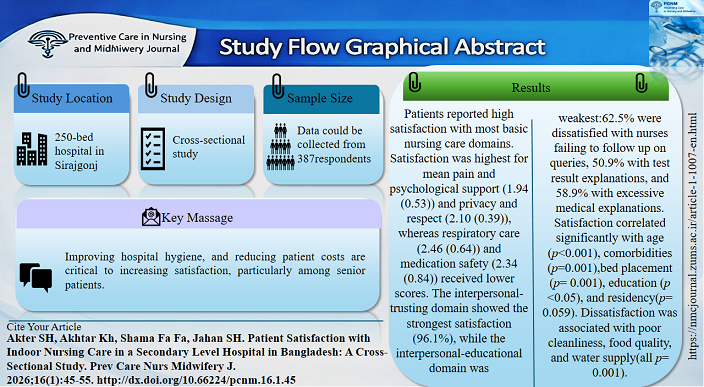
Table 4. Relationship between Different Variables and Level of Patient Satisfaction (N = 387)
Note. Higher mean scores indicate greater dissatisfaction (range 48–240).
Knowledge Translation Statement
Audience: Nursing managers and hospital administrators
Patients reported high satisfaction with basic nursing care yet significant dissatisfaction with informational aspects, as over 50% were dissatisfied with nurses failing to follow up on queries and explain test results. Older age, longer stays, and poor hospital hygiene, food, and water supply correlated with lower satisfaction. Nursing managers should implement structured communication training, regular environmental audits, and targeted elderly care interventions to bridge the information gap and improve patient experience.
Full-Text: (44 Views)
Introduction
Satisfaction refers to the extent to which an individual feels content after comparing actual performance or outcomes with prior expectations. It is determined by the difference between perceived performance and expectations. Improving patient satisfaction strengthens loyalty and encourages return visits, given the close relationship between service and satisfaction [1]. Patient-centered care is a prerequisite of high-quality healthcare delivery [2].
According to the World Health Organization (WHO), hospitals are vital parts of the social and healthcare system, providing inpatient, outpatient, and emergency services. These services must meet five key quality dimensions: tangibility, reliability, responsiveness, assurance, and empathy. Hence, continuous evaluation of service quality is vital for preserving patient trust. Nursing care is a core element of hospital service quality and shapes the institution’s image within the community [1]. As healthcare systems evolve globally, improving service quality has become a major concern in meeting rising patient expectations [3, 4]. Measuring patient satisfaction serves as an effective tool for assessing service performance and guaranteeing the fulfillment of patient needs [3].
Patient satisfaction is a multifaceted and complex concept [5]. Health authorities now think that patients are the best judges of the quality of healthcare. Their feedback helps find problems in the system and suggest ways to make it better [4]. Nursing care plays a central role in achieving high service quality, as enhancing nursing performance improves efficiency, reduces costs, and increases patient satisfaction [6]. As a major indicator of healthcare standards, patient satisfaction reflects both service quality and institutional performance [1]. High satisfaction is associated with improved treatment adherence, reduced readmission and mortality rates, and shorter hospital stays [7]. It requires effective and punctual service delivery, cost control, and management strategies to implement within health structures [8]. However, one study revealed that only 46.2% (95% CI: 41.2%–51.1%) of patients were satisfied with hospital services [4]. Patient-centered care is essential for achieving high-quality healthcare, whereas poor satisfaction can negatively affect outcomes [2]. Evidence has suggested that patients’ psychological state can affect their healing process [9]. The quality of nursing care depends on nurses’ skill, speed, and accuracy, which may vary by patient characteristics such as age, sex, and residence [6, 9].
Recently, many countries have emphasized patient satisfaction as a key measure of healthcare quality. The United Kingdom’s NHS inquiry in 1983 encouraged the evaluation of services based on patient experience [8]. In the USA, hospitals are required to report satisfaction scores, while China has increasingly adopted patient-centered care models [7].
Measuring the quality and happiness of healthcare is a crucial component of effective resource management. It also enables the focus on the preferences of its users, providing them with the opportunity to create a personalized health service that better meets their requirements and expectations. Therefore, patient happiness and the caliber of medical care are essential components of health institutions' long-term viability [3]. Establishing solid institutions and bolstering the social state depend on providing suitable and high-quality healthcare [8]. In healthcare in Saudi Arabia, 77.6% and 93% of patients reported that nurses and doctors, respectively, treated them with respect, listened attentively, and provided clear explanations. Additionally, 90.3% of patients expressed satisfaction with hospital sanitation, while 64.1% stated they received written discharge instructions [2]. Studies in Iran have shown that the highest satisfaction levels were related to nurses’ professional performance (mean = 3.98), while the lowest were associated with routine nursing tasks (mean = 2.69). 13.6%, 50.5%, and 35.9% of patients reported poor, moderate, and high levels of satisfaction [5]. From two studies of Bangladesh, we can see that the mean score of patient satisfaction regarding nursing care was 2.74 (SD = 0.68) out of a maximum of 4 points, indicating a moderate level [10], and regarding attitude, 52.6% were satisfied, 33.4% were highly satisfied, and 14.0% were dissatisfied; regarding nurses’ behavior, 53.8% were satisfied, 32.5% were highly satisfied, and 13.7% were dissatisfied; and regarding nurses’ interpersonal relationships, 44.4% were highly satisfied, 40.4% were satisfied, and 15.2% were dissatisfied [11].
Objectives
The study aims to identify patient satisfaction with inpatient nursing services at a secondary care hospital in Bangladesh. Research in this area remains limited, particularly regarding how nurses’ training, behavior, and attitudes align with patient expectations. The study also allows comparison with national satisfaction levels and addresses contextual challenges such as resource limitations, high patient loads, and a shortage of graduate nursing programs.
Methods
Study Design
This descriptive type of cross-sectional study was carried out with the objective of assessing the level of satisfaction of patients regarding indoor nursing care in a secondary-level hospital. To achieve this objective, the study was carried out systematically.
Participants
The study was conducted at the 250 Beded Bongumata Sheikh Fazilatunnessa Mujib General Hospital in Sirajganj from January 1st to December 31st, 2023. The study involved patients admitted to the Medical, Surgical, Orthopedic, and Gynecology & Obstetrics departments, including patients aged above 18 years, willing to participate for interviews, and those staying less than three days. Patients with severe mental or psychological issues were excluded from the study.
Sampling Methods
The convenience sampling technique was adopted for collecting data. A cross-sectional study design was employed. A minimum required sample size was calculated a priori using the single population proportion formula: n = (Z² p q) / d², where Z = 1.96 (95% confidence level), p = 0.639 (estimated proportion of patient satisfaction based on prior literature [12], q = 1-p, and d = 0.05 (desired margin of error). This yielded a minimum sample of 358. Accounting for an estimated 10% non-response rate, the final target sample size was set at 394 participants. However, within the defined data collection period, data could be collected from 387 respondents. Due to feasibility constraints inherent to the clinical setting, a non-probability convenience sampling technique was utilized to recruit participants from the medicine, surgery, orthopedic, and gynecology & obstetrics wards during the study period. All consecutive eligible patients who provided informed consent were enrolled until the target sample size was met.
Data Collection Procedures
A pretested, semi-structured questionnaire was used for data collection after obtaining IRB approval and permission from the hospital superintendent. The 87-item questionnaire included 10 socio-demographic questions and 23 questions on basic nursing care [13]. 25 questions on nursing care quality (Risser satisfaction scale) [14] and 29 questions on associated factors [15]. The complete questionnaire is presented in Appendix A. The questions used a 5-point Likert scale ranging from 1 (highly satisfied), 2 (satisfied), 3 (neutral), 4 (dissatisfied) and 5 (highly dissatisfied). To identify patients' satisfaction level, the total score is obtained by adding all the scores from the 48 questions, with a minimum score of 48 indicating high satisfaction and a maximum score of 240 indicating high dissatisfaction. Before data collection, pretesting was done among 20 patients. Pretesting was conducted with 20 patients at the 300 Bedded Hospital in Narayangonj and 20 patients at Manikgonj Sadar Hospital to check the accuracy and degree of reliability of the questionnaire. The questionnaire was finalized after a necessary modification based on the findings from pretesting. After obtaining informed consent, face-to-face interviews lasting 15–20 minutes were conducted to ensure privacy and confidentiality.
Variables
The main outcome variable of this study was the level of patient satisfaction regarding indoor nursing care. Satisfaction was measured through two dimensions: (i) Basic nursing care and (ii) Quality nursing care, which covered technical-professional behaviors, interpersonal-educational attitudes, and interpersonal-trusting relationships.
Measurement Tool
A five-point Likert scale was used to calculate patient satisfaction levels (Appendix A for the complete instrument), where higher scores denoted greater discontent with the structured questionnaire. A quantitative evaluation of patients' experiences with nursing care was made possible by the use of the aggregated score to divide satisfaction levels into groups ranging from highly satisfied to highly dissatisfied. To ensure reliability and validity of the study results, we used several techniques: (i) conducted pre-testing; (ii) collected the data by a trained data collector; (iii) checked the data and fixed errors by observing descriptive statistics; (iv) Test of the normality score of the scale shows an approximate normal distribution, with a mean of 106.91, a median of 107.00, a mode of 109, a standard deviation of 7.946, a skewness of 0.058, and a kurtosis of 0.503. The Kolmogorov-Smirnov and Shapiro-Wilk tests are statistical tests used to check for normality. For both tests here, the p-values are > 0.05; (v) employed Cronbach’s alpha, the reliability coefficient. Reliability statistics on Basic nursing care Cronbach’s Alpha 0.569 total number of 23 items. Quality of nursing care (Technical-Professional) Cronbach’s alpha 0.231 total number of 7 items, Technical-Educational Cronbach’s alpha 0.231 total number of 7 items, Interpersonal- Trusting Cronbach alpha 0.521 total number of 11 items. The overall scale has a Cronbach's alpha of 0.715, derived from 48 items in total. Satisfaction scores ranged from 48 to 240.
Statistical Methods
The data were analyzed by using the statistical software namely SPSS (Statistical Package for Social Science; version 26). In data analysis, descriptive statistics like frequency, mean, and standard deviation were calculated. Descriptive data were analyzed by frequency, mean, standard deviation, and percentage. Normality testing showed normal data distribution, so t-tests were done to compare socio-demographic and associated factors with satisfaction levels. The ANOVA test was conducted on respondents' occupations to analyze their satisfaction scores. Pearson correlation assessed the association between different variables and satisfaction. Data were presented using tables, bar diagrams, and pie charts. The analysis aimed to assess patient satisfaction regarding indoor nursing care at the hospital.
Result
Patients reported high satisfaction with most domains of basic nursing care (Table 1). Mean satisfaction scores were 1.94 (0.53) for pain and psychological support, 2.10 (0.39) for privacy and respect, 2.46 (0.64) for respiratory care, and 2.34 (0.84) for medication safety and information.
Table 1. Mean Satisfaction Scores for Basic Nursing Care Domains (N = 387)
Note. Mean scores range from 1 (high satisfaction) to 5 (high dissatisfaction).
As shown in Table 2, satisfaction varied across the three qualities of care domains. The interpersonal trusting domain showed the strongest satisfaction, with 96.1% of patients satisfied with discussing problems freely.
The technical professional domain also demonstrated favorable ratings, particularly for nurses' skills and advice.
In contrast, the interpersonal educational domain was the weakest.
More than half of the patients were dissatisfied with nurses failing to follow up on queries (62.5%), explain test results (50.9%), or provide excessive medical explanations (58.9%). Mean scores for each domain are reported in Table 2.
Table 2. Mean Satisfaction Scores for Quality of Nursing Care Domains (N = 387)
Note. Mean scores range from 1 (high satisfaction) to 5 (high dissatisfaction).
Table 3 presents the correlations between patient characteristics and satisfaction levels. Older age showed the strongest negative correlation with satisfaction (r = –0.277, p < 0.001), followed by longer hospital stay (r = –0.150, p = 0.002) and number of admissions (r = –0.099, p = 0.026).
Table 4 summarizes the relationships between various factors and patient satisfaction.
Table 3. Correlations between Age, Duration of Hospital Stay, Number of Admissions and Level of Patient Satisfaction (N = 387)
Note. Higher satisfaction scores indicate greater dissatisfaction (range 48–240).
Satisfaction was significantly higher among literate patients (p = 0.002), those placed on beds versus the floor (p = 0.001), and those without comorbidities (p = 0.001). Regarding hospital environment, adequate cleanliness, good food quality, and reliable water supply were each significantly associated with higher satisfaction (all p = 0.001 or less). Urban versus rural residence showed borderline significance (p = 0.059).
Satisfaction refers to the extent to which an individual feels content after comparing actual performance or outcomes with prior expectations. It is determined by the difference between perceived performance and expectations. Improving patient satisfaction strengthens loyalty and encourages return visits, given the close relationship between service and satisfaction [1]. Patient-centered care is a prerequisite of high-quality healthcare delivery [2].
According to the World Health Organization (WHO), hospitals are vital parts of the social and healthcare system, providing inpatient, outpatient, and emergency services. These services must meet five key quality dimensions: tangibility, reliability, responsiveness, assurance, and empathy. Hence, continuous evaluation of service quality is vital for preserving patient trust. Nursing care is a core element of hospital service quality and shapes the institution’s image within the community [1]. As healthcare systems evolve globally, improving service quality has become a major concern in meeting rising patient expectations [3, 4]. Measuring patient satisfaction serves as an effective tool for assessing service performance and guaranteeing the fulfillment of patient needs [3].
Patient satisfaction is a multifaceted and complex concept [5]. Health authorities now think that patients are the best judges of the quality of healthcare. Their feedback helps find problems in the system and suggest ways to make it better [4]. Nursing care plays a central role in achieving high service quality, as enhancing nursing performance improves efficiency, reduces costs, and increases patient satisfaction [6]. As a major indicator of healthcare standards, patient satisfaction reflects both service quality and institutional performance [1]. High satisfaction is associated with improved treatment adherence, reduced readmission and mortality rates, and shorter hospital stays [7]. It requires effective and punctual service delivery, cost control, and management strategies to implement within health structures [8]. However, one study revealed that only 46.2% (95% CI: 41.2%–51.1%) of patients were satisfied with hospital services [4]. Patient-centered care is essential for achieving high-quality healthcare, whereas poor satisfaction can negatively affect outcomes [2]. Evidence has suggested that patients’ psychological state can affect their healing process [9]. The quality of nursing care depends on nurses’ skill, speed, and accuracy, which may vary by patient characteristics such as age, sex, and residence [6, 9].
Recently, many countries have emphasized patient satisfaction as a key measure of healthcare quality. The United Kingdom’s NHS inquiry in 1983 encouraged the evaluation of services based on patient experience [8]. In the USA, hospitals are required to report satisfaction scores, while China has increasingly adopted patient-centered care models [7].
Measuring the quality and happiness of healthcare is a crucial component of effective resource management. It also enables the focus on the preferences of its users, providing them with the opportunity to create a personalized health service that better meets their requirements and expectations. Therefore, patient happiness and the caliber of medical care are essential components of health institutions' long-term viability [3]. Establishing solid institutions and bolstering the social state depend on providing suitable and high-quality healthcare [8]. In healthcare in Saudi Arabia, 77.6% and 93% of patients reported that nurses and doctors, respectively, treated them with respect, listened attentively, and provided clear explanations. Additionally, 90.3% of patients expressed satisfaction with hospital sanitation, while 64.1% stated they received written discharge instructions [2]. Studies in Iran have shown that the highest satisfaction levels were related to nurses’ professional performance (mean = 3.98), while the lowest were associated with routine nursing tasks (mean = 2.69). 13.6%, 50.5%, and 35.9% of patients reported poor, moderate, and high levels of satisfaction [5]. From two studies of Bangladesh, we can see that the mean score of patient satisfaction regarding nursing care was 2.74 (SD = 0.68) out of a maximum of 4 points, indicating a moderate level [10], and regarding attitude, 52.6% were satisfied, 33.4% were highly satisfied, and 14.0% were dissatisfied; regarding nurses’ behavior, 53.8% were satisfied, 32.5% were highly satisfied, and 13.7% were dissatisfied; and regarding nurses’ interpersonal relationships, 44.4% were highly satisfied, 40.4% were satisfied, and 15.2% were dissatisfied [11].
Objectives
The study aims to identify patient satisfaction with inpatient nursing services at a secondary care hospital in Bangladesh. Research in this area remains limited, particularly regarding how nurses’ training, behavior, and attitudes align with patient expectations. The study also allows comparison with national satisfaction levels and addresses contextual challenges such as resource limitations, high patient loads, and a shortage of graduate nursing programs.
Methods
Study Design
This descriptive type of cross-sectional study was carried out with the objective of assessing the level of satisfaction of patients regarding indoor nursing care in a secondary-level hospital. To achieve this objective, the study was carried out systematically.
Participants
The study was conducted at the 250 Beded Bongumata Sheikh Fazilatunnessa Mujib General Hospital in Sirajganj from January 1st to December 31st, 2023. The study involved patients admitted to the Medical, Surgical, Orthopedic, and Gynecology & Obstetrics departments, including patients aged above 18 years, willing to participate for interviews, and those staying less than three days. Patients with severe mental or psychological issues were excluded from the study.
Sampling Methods
The convenience sampling technique was adopted for collecting data. A cross-sectional study design was employed. A minimum required sample size was calculated a priori using the single population proportion formula: n = (Z² p q) / d², where Z = 1.96 (95% confidence level), p = 0.639 (estimated proportion of patient satisfaction based on prior literature [12], q = 1-p, and d = 0.05 (desired margin of error). This yielded a minimum sample of 358. Accounting for an estimated 10% non-response rate, the final target sample size was set at 394 participants. However, within the defined data collection period, data could be collected from 387 respondents. Due to feasibility constraints inherent to the clinical setting, a non-probability convenience sampling technique was utilized to recruit participants from the medicine, surgery, orthopedic, and gynecology & obstetrics wards during the study period. All consecutive eligible patients who provided informed consent were enrolled until the target sample size was met.
Data Collection Procedures
A pretested, semi-structured questionnaire was used for data collection after obtaining IRB approval and permission from the hospital superintendent. The 87-item questionnaire included 10 socio-demographic questions and 23 questions on basic nursing care [13]. 25 questions on nursing care quality (Risser satisfaction scale) [14] and 29 questions on associated factors [15]. The complete questionnaire is presented in Appendix A. The questions used a 5-point Likert scale ranging from 1 (highly satisfied), 2 (satisfied), 3 (neutral), 4 (dissatisfied) and 5 (highly dissatisfied). To identify patients' satisfaction level, the total score is obtained by adding all the scores from the 48 questions, with a minimum score of 48 indicating high satisfaction and a maximum score of 240 indicating high dissatisfaction. Before data collection, pretesting was done among 20 patients. Pretesting was conducted with 20 patients at the 300 Bedded Hospital in Narayangonj and 20 patients at Manikgonj Sadar Hospital to check the accuracy and degree of reliability of the questionnaire. The questionnaire was finalized after a necessary modification based on the findings from pretesting. After obtaining informed consent, face-to-face interviews lasting 15–20 minutes were conducted to ensure privacy and confidentiality.
Variables
The main outcome variable of this study was the level of patient satisfaction regarding indoor nursing care. Satisfaction was measured through two dimensions: (i) Basic nursing care and (ii) Quality nursing care, which covered technical-professional behaviors, interpersonal-educational attitudes, and interpersonal-trusting relationships.
Measurement Tool
A five-point Likert scale was used to calculate patient satisfaction levels (Appendix A for the complete instrument), where higher scores denoted greater discontent with the structured questionnaire. A quantitative evaluation of patients' experiences with nursing care was made possible by the use of the aggregated score to divide satisfaction levels into groups ranging from highly satisfied to highly dissatisfied. To ensure reliability and validity of the study results, we used several techniques: (i) conducted pre-testing; (ii) collected the data by a trained data collector; (iii) checked the data and fixed errors by observing descriptive statistics; (iv) Test of the normality score of the scale shows an approximate normal distribution, with a mean of 106.91, a median of 107.00, a mode of 109, a standard deviation of 7.946, a skewness of 0.058, and a kurtosis of 0.503. The Kolmogorov-Smirnov and Shapiro-Wilk tests are statistical tests used to check for normality. For both tests here, the p-values are > 0.05; (v) employed Cronbach’s alpha, the reliability coefficient. Reliability statistics on Basic nursing care Cronbach’s Alpha 0.569 total number of 23 items. Quality of nursing care (Technical-Professional) Cronbach’s alpha 0.231 total number of 7 items, Technical-Educational Cronbach’s alpha 0.231 total number of 7 items, Interpersonal- Trusting Cronbach alpha 0.521 total number of 11 items. The overall scale has a Cronbach's alpha of 0.715, derived from 48 items in total. Satisfaction scores ranged from 48 to 240.
Statistical Methods
The data were analyzed by using the statistical software namely SPSS (Statistical Package for Social Science; version 26). In data analysis, descriptive statistics like frequency, mean, and standard deviation were calculated. Descriptive data were analyzed by frequency, mean, standard deviation, and percentage. Normality testing showed normal data distribution, so t-tests were done to compare socio-demographic and associated factors with satisfaction levels. The ANOVA test was conducted on respondents' occupations to analyze their satisfaction scores. Pearson correlation assessed the association between different variables and satisfaction. Data were presented using tables, bar diagrams, and pie charts. The analysis aimed to assess patient satisfaction regarding indoor nursing care at the hospital.
Result
Patients reported high satisfaction with most domains of basic nursing care (Table 1). Mean satisfaction scores were 1.94 (0.53) for pain and psychological support, 2.10 (0.39) for privacy and respect, 2.46 (0.64) for respiratory care, and 2.34 (0.84) for medication safety and information.
Table 1. Mean Satisfaction Scores for Basic Nursing Care Domains (N = 387)
| Domain | Items (n) | Mean | SD |
| Communication & admission information | 4 | 2.13 | 0.66 |
| Personal hygiene & physical care | 6 | 2.25 | 0.65 |
| Respiratory care | 2 | 2.49 | 4.55 |
| Mobility, rest & comfort | 4 | 2.14 | 0.46 |
| Medication safety & information | 3 | 2.34 | 0.87 |
| Privacy & respect | 2 | 2.10 | 0.40 |
| Pain & psychological support | 2 | 1.94 | 0.54 |
| Overall basic nursing care | 23 | 2.26 | 0.74 |
As shown in Table 2, satisfaction varied across the three qualities of care domains. The interpersonal trusting domain showed the strongest satisfaction, with 96.1% of patients satisfied with discussing problems freely.
The technical professional domain also demonstrated favorable ratings, particularly for nurses' skills and advice.
In contrast, the interpersonal educational domain was the weakest.
More than half of the patients were dissatisfied with nurses failing to follow up on queries (62.5%), explain test results (50.9%), or provide excessive medical explanations (58.9%). Mean scores for each domain are reported in Table 2.
Table 2. Mean Satisfaction Scores for Quality of Nursing Care Domains (N = 387)
| Domain | Items (n) | Mean | SD |
| Technical-Professional | 7 | 2.06 | 0.57 |
| Interpersonal-Educational | 7 | 2.64 | 0.69 |
| Interpersonal-Trusting | 11 | 2.15 | 0.59 |
| Overall quality of nursing care | 25 | 2.24 | 0.65 |
Table 3 presents the correlations between patient characteristics and satisfaction levels. Older age showed the strongest negative correlation with satisfaction (r = –0.277, p < 0.001), followed by longer hospital stay (r = –0.150, p = 0.002) and number of admissions (r = –0.099, p = 0.026).
Table 4 summarizes the relationships between various factors and patient satisfaction.
Table 3. Correlations between Age, Duration of Hospital Stay, Number of Admissions and Level of Patient Satisfaction (N = 387)
| Attribute | Pearson's r | 95% Confidence Interval | p (1-tailed) |
| Respondent age | –0.277 | [0.182, 0.366] | < 0.001 |
| Duration of hospital stay (days) | –0.150 | [0.051, 0.246] | 0.002 |
| Number of admissions | –0.099 | [0.001, 0.197] | 0.026 |
Satisfaction was significantly higher among literate patients (p = 0.002), those placed on beds versus the floor (p = 0.001), and those without comorbidities (p = 0.001). Regarding hospital environment, adequate cleanliness, good food quality, and reliable water supply were each significantly associated with higher satisfaction (all p = 0.001 or less). Urban versus rural residence showed borderline significance (p = 0.059).
Table 4. Relationship between Different Variables and Level of Patient Satisfaction (N = 387)
| Variable | Category | n | Mean | SD | t | p |
| Type of residence | Rural | 321 | 106.56 | 7.877 | 1.894 | 0.059 |
| Urban | 66 | 108.59 | 8.130 | |||
| Education | Up to primary | 196 | 105.70 | 8.139 | 3.056 | 0.002 |
| Above primary | 191 | 108.15 | 7.567 | |||
| Position of patient | Bed | 359 | 106.45 | 7.694 | 4.173 | 0.001 |
| Floor | 28 | 112.82 | 8.874 | |||
| Comorbidities | Yes | 109 | 104.47 | 8.266 | –3.852 | 0.001 |
| No | 278 | 107.07 | 7.622 | |||
| Cleanliness of hospital ward | Yes (clean) | 172 | 105.30 | 7.701 | –3.628 | < 0.001 |
| No (not clean) | 215 | 108.20 | 7.921 | |||
| Quality of hospital food | Yes (good) | 219 | 104.64 | 7.543 | –3.292 | 0.001 |
| No (poor) | 168 | 107.73 | 7.560 | |||
| Adequate water supply in bathrooms | Yes | 168 | 105.36 | 9.003 | –3.292 | 0.001 |
| No | 219 | 108.10 | 6.814 |
Discussion
This study offers a thorough evaluation of patient satisfaction regarding inpatient nursing care at a secondary-level hospital in Bangladesh. The findings reveal a nuanced picture of satisfaction across multiple dimensions of nursing care, highlighting both strengths and areas for improvement. The study employed convenience sampling which restricts the representativeness of the sample and limits the generalizability of findings to broader populations. Conducted in a single secondary care hospital, so the results may not reflect patient satisfaction across other healthcare settings in Bangladesh. Also, self-reported measures of satisfaction may be subjective to recall bias. Low cronbach’s alpha for technical-professional and technical-educational domain states weak internal consistency which reduce confidence in conclusion and the questionnaire needs refinement through item revision, removal, or revalidation to improve reliability.
The findings regarding patient satisfaction with basic nursing care (Table 1) reveal a generally positive outlook, particularly in areas such as communication, personal cleanliness, mobility support, assistance in managing body temperature, and respect for care decisions. However, there are notable areas requiring improvement, especially in respiratory care, with about one-third patients pleased with breathing assistance and monitoring. Previous studies indicate that a significant majority of patients express satisfaction with nursing care, with approval ratings often exceedingly more than two-third in various dimensions, including communication and personal cleanliness [16, 17]. Despite high satisfaction, we highlighted respiratory care and the provision of treatment and medication information as areas needing enhancement. For instance, researchers noted dissatisfaction in the context of breathing assistance and monitoring [16, 18]. These findings highlight both strengths in compassionate, hands-on care and responsiveness that warrant attention.
The study revealed that in the technical professional domain (Table 2), over two-thirds of patients expressed satisfaction with nurses' proficiency in assisting physicians, conveying accurate information, and providing beneficial advice. However, patients expressed dissatisfaction with the clarity of medical instructions and the organization of work. Prior studies supported the findings that patients reported high satisfaction with nurses' technical skills in supporting doctors, indicating effective collaboration in care delivery [19, 20].
A significant majority appreciated the quality of communication between nurses and doctors, which correlated positively with overall patient satisfaction [20, 21]. Patients felt that nurses did not adequately explain medical instructions, leading to confusion and dissatisfaction [22].
The current study shows that in the interpersonal educational domain (Table 2), almost all of patients were highly satisfied with nurses' speed in giving direction and simple language explanations and found them easy to understand, while more than half were dissatisfied with nurses asking questions but not acting, test results explanations, and excessive medical explanations. According to one established study, vast majority of patients express satisfaction with nursing interactions, particularly in receiving clear explanations about care and procedures [23]. Another study found that the use of simple language and active listening is crucial, as it enhances understanding and reduces anxiety, leading to better adherence to treatment [24]. On the other hand, a significant number of patients feel frustrated when nurses ask questions but do not act on the responses, indicating a gap in effective communication [22]. Patients often report confusion due to excessive medical terminology, which detracts from their understanding of their health condition [25].
In the case of interpersonal trusting (Table 2), more than two-thirds of the patients were satisfied discussing problems with nurses, felt free to ask questions, and were satisfied with nurses being pleasant. However, dissatisfaction with nurses spending time at the desk, and nurses talking down to patients. Past studies reveal that patients value a friendly approach, as evidenced by patients finding nurses attentive and did not perceive them as pleasant [26]. Patients express frustration when nurses are frequently away from their bedside, impacting the quality of care and communication [27]. Negative interactions, such as talking down to patients, lead to feelings of disrespect and dissatisfaction, undermining trust [23].
In this study, older age, longer stays, and more admissions are all significantly linked to lower satisfaction—with age being the strongest factor (Table 3). Age has the strongest negative correlation with satisfaction, while Karaca & Durna found younger patients (18–35) were more satisfied than older ones [12]. This aligns with the findings. Due to their greater expectations, complex medical needs, and frequent encounters with the healthcare system, older individuals may be less satisfied and more critical of the quality of the services they receive. Thus, age appears not just as a demographic aspect but also as a sign of varying care needs, emphasizing the significance of customizing nursing care for older populations.
Education, cleanliness, food, water, and patient position all significantly impact satisfaction (Table 4). In comparison, a study by Papastavrou et al. emphasized the role of organizational factors like care rationing and nurse workload in shaping satisfaction [28], while Karaca & Durna noted dissatisfaction with information delivery and emphasized the importance of communication and the environment [12]. These results strongly echo the current findings, especially regarding cleanliness and basic amenities, which are often overlooked but crucial, they also reinforce this trend and highlight occupational disparities in healthcare perception.
This study has several limitations. First, convenience sampling and the single‑hospital setting limit the generalizability of findings to other healthcare facilities in Bangladesh. Second, self‑reported satisfaction measures are subject to recall and social desirability biases. Third, two subscales showed very low internal consistency (technical‑professional: α = 0.231; interpersonal‑educational: α = 0.231), which reduces confidence in conclusions drawn from those domains and indicates a need for questionnaire revision or revalidation. Despite these limitations, the overall scale demonstrated acceptable reliability (α = 0.715), and the normal distribution of satisfaction scores supported the use of parametric tests.
Conclusion
This study evaluated patient satisfaction regarding inpatient nursing treatment at a secondary-level hospital in Bangladesh, highlighting both strengths and opportunities for enhancement. Patients reported significant satisfaction with fundamental nursing care, including hygiene, nutrition, mobilization, rest, and medication administration, along with nurses' communication and interpersonal support. Nonetheless, discontent was observed over the dissemination of information pertaining to treatment, test results, and hospital conditions. In light of these findings, hospital administrators ought to enforce regular and audited sanitation protocols for wards and restrooms to maintain consistent hygiene standards, develop systematic communication training programs to enhance nurses' ability to articulate tests and treatment plans, and initiate regular patient feedback sessions facilitated by nurse leaders to promptly identify concerns and reinforce patient-centered care. Future study should encompass multi-center studies to enhance generalizability and qualitative investigations to examine the factors contributing to reduced satisfaction among elderly patients and those with prolonged hospital stays.
Ethics Consideration
This study is approved by the Institutional Review Board (IRB) of the National Institute of Preventive and Social Medicine (NIPSOM) with IRB Memo no. “NIPSOM/IRB/2023/06”. The Declaration of Helsinki was followed. Written permission was also obtained from the hospital authority of 250 -bedded Bongomata Sheikh Fazilatunnesa Mujib General Hospital, Sirajgong. All participants provided written informed consent before participation.
Acknowledgements
We acknowledge all the participants included in the study.
Conflict of Interest
The authors declare no conflicts of interest.
Funding
This study was funded by the Bangladesh Medical Research Council (BMRC) which was received only by the Principal Investigator. That was a student grant ref: BMRC/ Revenu/Student Grant/2025/164(1-140) to conduct the research project. Otherwise, no author received any other type of funding regarding this research project. The funder had no role in the conceptualization, design, data collection, analysis or preparation of the manuscript.
Authors' Contributions
Akter Sh: Conceptualizations, Formal analysis, Investigation, Methodology, Project administration, Visualization, Writing-original draft, Writing -review and editing
Akhtar Kh: Conceptualizations, Formal analysis, Methodology, Project administration, Supervision, Validation, Visualization, Writing-original draft, Writing -review and editing
Shama Fa Fa: Visualization, Writing-original draft, Writing -review and editing
Jahan Sh: Visualization, Writing -review and editing
Artificial intelligence utilization for article writing
The authors used Copilot and Quillbot during the preparation of this work to enhance the language and readability of the manuscript, as the authors are not native English speakers. After utilizing the tool, the authors thoroughly reviewed and edited the content as necessary and assume full responsibility for the manuscript’s content.
Data Availability Statement
The datasets generated and/or analyzed during the current study are not publicly available due to participant privacy concerns and institutional restrictions. However, the data that support the findings are available from the corresponding author upon reasonable request.
This study offers a thorough evaluation of patient satisfaction regarding inpatient nursing care at a secondary-level hospital in Bangladesh. The findings reveal a nuanced picture of satisfaction across multiple dimensions of nursing care, highlighting both strengths and areas for improvement. The study employed convenience sampling which restricts the representativeness of the sample and limits the generalizability of findings to broader populations. Conducted in a single secondary care hospital, so the results may not reflect patient satisfaction across other healthcare settings in Bangladesh. Also, self-reported measures of satisfaction may be subjective to recall bias. Low cronbach’s alpha for technical-professional and technical-educational domain states weak internal consistency which reduce confidence in conclusion and the questionnaire needs refinement through item revision, removal, or revalidation to improve reliability.
The findings regarding patient satisfaction with basic nursing care (Table 1) reveal a generally positive outlook, particularly in areas such as communication, personal cleanliness, mobility support, assistance in managing body temperature, and respect for care decisions. However, there are notable areas requiring improvement, especially in respiratory care, with about one-third patients pleased with breathing assistance and monitoring. Previous studies indicate that a significant majority of patients express satisfaction with nursing care, with approval ratings often exceedingly more than two-third in various dimensions, including communication and personal cleanliness [16, 17]. Despite high satisfaction, we highlighted respiratory care and the provision of treatment and medication information as areas needing enhancement. For instance, researchers noted dissatisfaction in the context of breathing assistance and monitoring [16, 18]. These findings highlight both strengths in compassionate, hands-on care and responsiveness that warrant attention.
The study revealed that in the technical professional domain (Table 2), over two-thirds of patients expressed satisfaction with nurses' proficiency in assisting physicians, conveying accurate information, and providing beneficial advice. However, patients expressed dissatisfaction with the clarity of medical instructions and the organization of work. Prior studies supported the findings that patients reported high satisfaction with nurses' technical skills in supporting doctors, indicating effective collaboration in care delivery [19, 20].
A significant majority appreciated the quality of communication between nurses and doctors, which correlated positively with overall patient satisfaction [20, 21]. Patients felt that nurses did not adequately explain medical instructions, leading to confusion and dissatisfaction [22].
The current study shows that in the interpersonal educational domain (Table 2), almost all of patients were highly satisfied with nurses' speed in giving direction and simple language explanations and found them easy to understand, while more than half were dissatisfied with nurses asking questions but not acting, test results explanations, and excessive medical explanations. According to one established study, vast majority of patients express satisfaction with nursing interactions, particularly in receiving clear explanations about care and procedures [23]. Another study found that the use of simple language and active listening is crucial, as it enhances understanding and reduces anxiety, leading to better adherence to treatment [24]. On the other hand, a significant number of patients feel frustrated when nurses ask questions but do not act on the responses, indicating a gap in effective communication [22]. Patients often report confusion due to excessive medical terminology, which detracts from their understanding of their health condition [25].
In the case of interpersonal trusting (Table 2), more than two-thirds of the patients were satisfied discussing problems with nurses, felt free to ask questions, and were satisfied with nurses being pleasant. However, dissatisfaction with nurses spending time at the desk, and nurses talking down to patients. Past studies reveal that patients value a friendly approach, as evidenced by patients finding nurses attentive and did not perceive them as pleasant [26]. Patients express frustration when nurses are frequently away from their bedside, impacting the quality of care and communication [27]. Negative interactions, such as talking down to patients, lead to feelings of disrespect and dissatisfaction, undermining trust [23].
In this study, older age, longer stays, and more admissions are all significantly linked to lower satisfaction—with age being the strongest factor (Table 3). Age has the strongest negative correlation with satisfaction, while Karaca & Durna found younger patients (18–35) were more satisfied than older ones [12]. This aligns with the findings. Due to their greater expectations, complex medical needs, and frequent encounters with the healthcare system, older individuals may be less satisfied and more critical of the quality of the services they receive. Thus, age appears not just as a demographic aspect but also as a sign of varying care needs, emphasizing the significance of customizing nursing care for older populations.
Education, cleanliness, food, water, and patient position all significantly impact satisfaction (Table 4). In comparison, a study by Papastavrou et al. emphasized the role of organizational factors like care rationing and nurse workload in shaping satisfaction [28], while Karaca & Durna noted dissatisfaction with information delivery and emphasized the importance of communication and the environment [12]. These results strongly echo the current findings, especially regarding cleanliness and basic amenities, which are often overlooked but crucial, they also reinforce this trend and highlight occupational disparities in healthcare perception.
This study has several limitations. First, convenience sampling and the single‑hospital setting limit the generalizability of findings to other healthcare facilities in Bangladesh. Second, self‑reported satisfaction measures are subject to recall and social desirability biases. Third, two subscales showed very low internal consistency (technical‑professional: α = 0.231; interpersonal‑educational: α = 0.231), which reduces confidence in conclusions drawn from those domains and indicates a need for questionnaire revision or revalidation. Despite these limitations, the overall scale demonstrated acceptable reliability (α = 0.715), and the normal distribution of satisfaction scores supported the use of parametric tests.
Conclusion
This study evaluated patient satisfaction regarding inpatient nursing treatment at a secondary-level hospital in Bangladesh, highlighting both strengths and opportunities for enhancement. Patients reported significant satisfaction with fundamental nursing care, including hygiene, nutrition, mobilization, rest, and medication administration, along with nurses' communication and interpersonal support. Nonetheless, discontent was observed over the dissemination of information pertaining to treatment, test results, and hospital conditions. In light of these findings, hospital administrators ought to enforce regular and audited sanitation protocols for wards and restrooms to maintain consistent hygiene standards, develop systematic communication training programs to enhance nurses' ability to articulate tests and treatment plans, and initiate regular patient feedback sessions facilitated by nurse leaders to promptly identify concerns and reinforce patient-centered care. Future study should encompass multi-center studies to enhance generalizability and qualitative investigations to examine the factors contributing to reduced satisfaction among elderly patients and those with prolonged hospital stays.
Ethics Consideration
This study is approved by the Institutional Review Board (IRB) of the National Institute of Preventive and Social Medicine (NIPSOM) with IRB Memo no. “NIPSOM/IRB/2023/06”. The Declaration of Helsinki was followed. Written permission was also obtained from the hospital authority of 250 -bedded Bongomata Sheikh Fazilatunnesa Mujib General Hospital, Sirajgong. All participants provided written informed consent before participation.
Acknowledgements
We acknowledge all the participants included in the study.
Conflict of Interest
The authors declare no conflicts of interest.
Funding
This study was funded by the Bangladesh Medical Research Council (BMRC) which was received only by the Principal Investigator. That was a student grant ref: BMRC/ Revenu/Student Grant/2025/164(1-140) to conduct the research project. Otherwise, no author received any other type of funding regarding this research project. The funder had no role in the conceptualization, design, data collection, analysis or preparation of the manuscript.
Authors' Contributions
Akter Sh: Conceptualizations, Formal analysis, Investigation, Methodology, Project administration, Visualization, Writing-original draft, Writing -review and editing
Akhtar Kh: Conceptualizations, Formal analysis, Methodology, Project administration, Supervision, Validation, Visualization, Writing-original draft, Writing -review and editing
Shama Fa Fa: Visualization, Writing-original draft, Writing -review and editing
Jahan Sh: Visualization, Writing -review and editing
Artificial intelligence utilization for article writing
The authors used Copilot and Quillbot during the preparation of this work to enhance the language and readability of the manuscript, as the authors are not native English speakers. After utilizing the tool, the authors thoroughly reviewed and edited the content as necessary and assume full responsibility for the manuscript’s content.
Data Availability Statement
The datasets generated and/or analyzed during the current study are not publicly available due to participant privacy concerns and institutional restrictions. However, the data that support the findings are available from the corresponding author upon reasonable request.
Type of Study: Orginal research |
Subject:
Nursing
References
1. Anatolia L, Exposto SM, Mulyati I, Magno J, Carvalho M. Choosing service facilities in the hospital interior to increase patient satisfaction. Asian Journal of Healthy and Science. 2023;2(5):213-24. https://ajhsjournal.ph/index.php/gp/article/view/46/58 [https://ajhsjournal.ph/index.php/gp/article/view/46/58]
2. Traiki TA, AlShammari SA, AlAli MN, Aljomah NA, Alhassan NS, Alkhayal KA, Al-Obeed OA, Zubaidi AM. Impact of COVID-19 pandemic on patient satisfaction and surgical outcomes: A retrospective and cross-sectional study. Annals of Medicine and Surgery. 2020; 58:14-9. [https://doi.org/10.1016/j.amsu.2020.08.020] [PMID]
3. Ferreira DC, Vieira I, Pedro MI, Caldas P, Varela M. Patient satisfaction with healthcare services and the techniques used for its assessment: a systematic literature review and a bibliometric analysis. Healthcare (Basel). 2023;11(5):639. [https://doi.org/10.3390/healthcare11050639] [PMID]
4. Asamrew N, Endris AA, Tadesse M. Level of patient satisfaction with inpatient services and its determinants: a study of a specialized hospital in Ethiopia. Journal of Environ Public Health. 2020; 2020:1-12. [https://doi.org/10.1155/2020/2473469] [PMID]
5. Amiri E, Ebrahimi H, Namdar Areshtanab H, Vahidi M, Asghari Jafarabadi M. The relationship between nurses' moral sensitivity and patients'satisfaction with the care received in the medical wards. Journal of Caring Sciences. 2019; 9(2):98-103. [https://jcs.tbzmed.ac.ir/Article/jcs-21421] [PMID]
6. Yusefi AR, Sarvestani SR, Kavosi Z, Bahmaei J, Mehrizi MM, Mehralian G. Patients' perceptions of the quality of nursing services. BioMed Central Nursing. 2022 ; 21(1):131. [https://doi.org/10.1186/s12912-022-00906-1] [PMID]
7. Liang H, Xue Y, Zhang Z ruo. Patient satisfaction in China: a national survey of inpatients and outpatients. British Medical Journal Open. 2021; 11(9): e049570. [https://doi.org/10.1136/bmjopen-2021-049570] [PMID]
8. Alibrandi A, Gitto L, Limosani M, Mustica PF. Patient satisfaction and quality of hospital care. Evaluation and Program Planning.2023; 97:102251. https://linkinghub.elsevier.com/retrieve/pii/S0149718923000289 [https://linkinghub.elsevier.com/retrieve/pii/S0149718923000289] [PMID]
9. Jamshidi S, Parker JS, Hashemi S. The effects of environmental factors on the patient outcomes in hospital environments: A review of literature. Frontiers of Architectural Research. 2020; 9(2):249-63. [https://doi.org/10.1016/j.foar.2019.10.001]
10. Gazi MHUR, Mazumder MJU, Parvez A, Akter H, Mali B. Patients' satisfaction: Nursing care at selected tertiary level hospital in Dhaka: Quality nursing care in hospitals. Bangladesh Medical Research Council Bulletin. 2022; 47(3):318-26. [https://doi.org/10.3329/bmrcb.v47i3.59246]
11. Nursing Instructor Rangpur Bangladesh RNC, Habib MdA, Chanda DrBK, Associate Professor (EX) NIPSOM Mohakhali Dhaka Bangladesh. D of CM. Satisfaction on Nursing Care among Admitted Patients in Secondary Level Hospital. International Journal of Medical Science and Clinical Research Studies. 2021;01(04). https://ijmscrs.com/index.php/ijmscrs/article/view/16 [https://ijmscrs.com/index.php/ijmscrs/article/view/16]
12. Karaca A, Durna Z. Patient satisfaction with the quality of nursing care. Nursing Open. 2019; 6(2):535-45. [https://doi.org/10.1002/nop2.237] [PMID]
13. Kitson A, Conroy T, Wengstrom Y, Profetto‐McGrath J, Robertson‐Malt S. Defining the fundamentals of care. International Journal of Nursing Practice. 2010;16(4):423-34. [https://doi.org/10.1111/j.1440-172X.2010.01861.x] [PMID]
14. Charalambous A, Adamakidou T. Construction and validation of the European Oncology Nursing Society Satisfaction with the Perceived In-Hospital Nursing Care Scale (EONS-SAT-P): in Cypriot oncology patients. Cancer Nursing. 2014; 37(3): E28-35.
15. Meron T. Review on patient satisfaction, influencing factors and assessment approaches. Biomedical Journal of Scientific & Technical Research. 2023; 48(2):21256-63.
16. Nguyen TN, Dang TH, Nguyen TVN, Dinh TQN, Tran TL, Nguyen TA, Hoang TA Dao, Nguyen TTH, Pham NT. Survey of inpatient satisfaction with nursing care and some related factors at Xanh Pon General Hospital in 2021. Journal of Neurosurgery. 2022;5(02):6-18. [https://doi.org/10.54436/jns.2022.02.426]
17. Al Harthy BM, Al Jabri AS, Al Manji FS, Al Shuaibi MR, Al Saidi NH, Al Muqami SM. Mastering the art of making patients satisfied: introducing the evaluation of seven nursing care dimensions among patients and families within the directorate general of khoula hospital (dgkh) - cross sectional survey. American Journal of Medical and Clinical Sciences. 2024; 9(3) :(111-143) [https://doi.org/10.33425/2832-4226/24012]
18. Shafiei MR, Haghshenas H, Shafiei N, Bazrafshan MR, Bazrafcan L. Investigating the patient's satisfaction with nursing services in imam reza hospital of lar city during the covid-19 pandemic in 2020: a short report. Journal of Rafsanjan University of Medical Sciences. 2022;21(2):245-54. [https://doi.org/10.52547/jrums.21.2.245]
19. Santos MA dos, Sardinha AH de L, Santos LN dos. Satisfação dos usuários com os cuidados dos enfermeiros. Revista Gaúcha de Enfermagem. 2017;38(1). http://www.scielo.br/pdf/rgenf/v38n1/en_0102-6933-rgenf-1983-144720170157506.pdf [http://www.scielo.br/pdf/rgenf/v38n1/en_0102-6933-rgenf-1983-144720170157506.pdf]
20. Paramitha DS, Kirana R, Muhaimin ARA. Pentingnya kualitas komunikasi perawat dan dokter sebagai upaya peningkatan kepuasan pasien di rumah sakit. J Keperawatan Suaka Insan. 2022;7(2):188-94. [https://doi.org/10.51143/jksi.v7i2.357]
21. Mujiyanti S, Haryani A, Rahmawati D. Interpersonal Communication Skills of Nurse and Patient Satisfaction in Outpatient Unit. Knowledge E Social Sciences. 2023. https://knepublishing.com/index.php/KnE-Social/article/download/13840/22356 [https://knepublishing.com/index.php/KnE-Social/article/download/13840/22356]
22. Caldeira ÁBR, Baracho V da S, Guedes C de F, Ferreira PH da C, Guedes HM, Ribeiro L da CC. Satisfação de pacientes quanto à assistência de enfermagem: dimensão educacional. Journal of Health & Biological Sciences. 2016;4(4):245-50. https://periodicos.unichristus.edu.br/jhbs/article/download/742/348 [https://periodicos.unichristus.edu.br/jhbs/article/download/742/348]
23. Pat-Pech ME, Soto-Morales E. Satisfacción del paciente adulto hospitalizado con el trato interpersonal del personal de enfermería. Revista de Enfermería del Instituto Mexicano del Seguro Social. 2017;25(2):119-23. [https://pesquisa.bvsalud.org/portal/resource/pt/biblio-1031327]
24. Al Jamiliyati NU, SR NA, Hayunnisa R, Eka S, Farihatul S, Rochma S. Komunikasi efektif dalam keperawatan: strategi penggunaan bahasa yang sederhana edukasi pasien. Kirana. 2025;2(1):11-5. [https://doi.org/10.61579/kirana.v2i1.275]
25. Podder L, George A, Benny A, Jack A, Singh A, Raju A. Importance of information, education and communication aspects of nursing care services towards patient satisfaction: evidence from a prospective study in central India. Nursing Journal of India. [https://doi.org/10.61579/kirana.v2i1.275]
26. Baracho V da S, Caldeira ÁBR, Guedes C de F, Ferreira PH da C, Guedes HM, Ribeiro L da CC. Visão dos clientes externos sobre a satisfação dos serviços de enfermagem hospitalar: abordagem interpessoal. Revista Gestão & Saúde. 2016;7(2):608-22. [https://doi.org/10.18673/GS.V7I2.22043]
27. Putrianti TT. Tingkat kepuasan pasien terhadap penampilan perawat pada saat berkomunikasi interpersonal dengan pasien di ruang rawat inap bedah RSUD Gunung Jati Cirebon. Students E-Journal. 2012;1(1):36. [http://jurnal.unpad.ac.id/ejournal/article/view/849]
28. Papastavrou E, Andreou P, Tsangari H, Merkouris A. Linking patient satisfaction with nursing care: the case of care rationing-a correlational study. BioMed Central Nursing. 2014;13(1):26. [https://bmcnurs.biomedcentral.com/articles/10.1186/1472-6955-13-26] [PMID]
Send email to the article author
| Rights and permissions | |
 |
This work is licensed under a Creative Commons Attribution-NonCommercial 4.0 International License. |